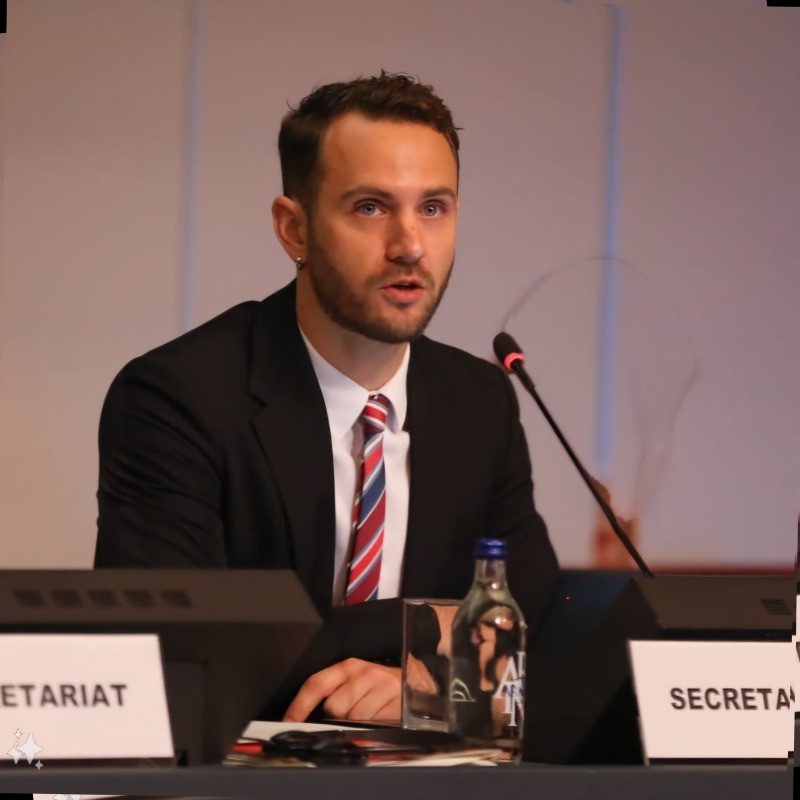


This blog post is based on the remarks of Agustin Harte on the Global Green Growth Knowledge Partnership (GGKP) webinar “Activity Options for Action Plans on the Management and Elimination of PCBs and POP Pesticides” held on 16 December 2025.
The Stockholm Convention has set clear deadlines for Parties regarding Polychlorinated Biphenyls (PCBs). By 2025, Parties must make determined efforts to identify, label, and remove from use equipment containing PCBs. Furthermore, no later than 2028, Parties need to ensure the environmentally sound management of all PCB waste and PCB contaminated equipment. We are in a very tight deadline, but the Secretariat of the Basel, Rotterdam and Stockholm (BRS) Conventions continues supporting Parties to endeavor on their efforts and achieve these mandates.
Intersessional Working Group of Experts on PCBs
In 2023, the eleventh meeting of the Conference of the Parties to the Stockholm Convention (SC COP-11) reestablished the small intersessional working group on PCBs (SIWG PCBs), an expert group on PCBs. This group was requested to develop several tools, specifically a document on the strategies to meet the 2025 and 2028 goals. Additionally, updated guidance on the development of inventories and the identification of PCBs was presented at the SC COP-12 in 2025. This guidance resumes and explains all analytical methods for determining PCB content that are available in the market. The group, comprising of more than 20 nominated experts, is also developing a global report presented every four years to assess the global progress on PCBs elimination, providing recommendations for prioritized actions.
The BRS Secretariat continues to provide technical assistance and strengthen national and regional capacities through capacity building workshops and training organized around the globe. Currently, several pilot projects are focusing on the development or updating of robust national inventories on PCBs. These projects involve sampling equipment and oil receptacles with rapid tests followed by confirmatory analysis by chromatography. This data allows countries to size the problem and identify how much PCBs is there, enabling the financial mechanism to support environmental management and disposal.
The BRS Secretariat is compiling information on main challenges and what could be done to solve them, including analytical capacity, disposal capacity, and the raising costs for disposal among others. Market studies are also being developed on disposal companies and facilities around the globe that have the capacity to treat PCBs locally or to move their plants somewhere else to treat them.
National Reporting and Tracking Progress
National reports presented to the Stockholm Convention every four years are critical for the Secretariat to obtain information regarding progress and the challenges Parties are facing. The sixth national report will be due by the 31 August next year, and Parties are suggested to start as soon as possible. The reporting format for PCBs has been adjusted to make it easier and the data more comparable with previous reports. These changes provide better information to the Secretariat and make it easier for countries to report while ensuring consistency in the information submitted.
The Role of the Global Environment Facility (GEF)
The GEF is the main contributor to the financial mechanism of the Stockholm Convention. It has invested around $400 million focused on projects addressing the sound management of PCBs across more than 114 national, regional, or global projects. Through these efforts, approximately 150,000 tonnes of PCBs are expected to be eliminated. In developing countries, these figures represent around 75% of the total amounts that have been eliminated, highlighting that most action has been taken with the support of the GEF.
The Global Elimination Program for PCBs (GEP-PCB)
The Global Elimination Program for PCBs, also known as the GEP-PCB, was newly launched as a programmatic approach funded by the GEF. This program was designed to help countries scale up their funding while simultaneously attracting other types of investments, recognizing that GEF funding by itself will not be enough to deal with the whole problem of PCBs management.
“We really wanted to have a programmatic approach that helps country to scale up their funding but also to attract other types of investments,” Harte emphasized.
The initial first round of the program selected six African countries including Gabon, Cameroon, Uganda, Madagascar, Nigeria, and Eswatini. These countries were chosen primarily because they had updated inventories and possessed significant energy investment programs for electrification renovation or renewable energy. The core idea of this approach is that the GEF provides the necessary funding for environmentally sound disposal of PCBs, while other big energy investments ensure there are enough resources to replace the equipment.
To join the program, countries must meet several technical requirements, the most important of which is having accurate information on the total amounts of PCB remaining in the country. Another critical aspect is the development of an elimination plan that outlines a concrete strategy for management and disposal. Furthermore, participating countries must actively engage with the energy sector with their energy authorities to identify investment programs that contribute to the project’s success. While the first round focused on Africa, the Secretariat is working on expanding the program to other regions including Eastern Europe, Asia, and Latin America and the Caribbean, with more than 30 expressions of interest already received from various Parties.
Components of the GEP-PCB program
The program is structured around three main components. The first component focuses on creating an enabling environment for PCB elimination by establishing the necessary regulatory frameworks and completing accurate inventories in the early years of project execution. The program also supports the replacement of equipment by using a cost-benefit analysis tool developed by UNEP and the World Bank. This tool supports utilities in determining where transformers are required to be replaced and justifies the investment through efficiency gains and reduced energy losses from the replacement.
The second component supports the treatment and disposal of equipment. Most equipment with low concentrations may be treated with chemical or physical methods, while highly concentrated stocks will require thermal or other innovative technologies to ensure full destruction. A regional approach is being implemented to reduce costs and increase efficiency when hiring disposal companies. Finally, the third component involves global coordination led by the World Bank, which includes a knowledge management platform and a stakeholder engagement strategy including the launch of six child projects in early 2026.
Identifying and Addressing Funding Gaps
Despite significant investment, the GEF funding by itself will not be enough to deal with the total problem. Four PCBs management activities or aspects have been identified as critical for funding. The first is PCBs in equipment in use, where operational equipment identified through cross-contamination often exceeds 50 mg per kilogram (50 pppm), making replacement costs very high. Second is waste stockpiles located in utilities or temporary deposits waiting for elimination. Third is the management of contaminated sites, where newly updated guidance highlights strategies for identification and characterization. Many types of waste arise from these sites which will need specific disposal technologies and funding. Finally, orphan stocks where there is no responsible government are critical, as these often contain higher concentrations of PCBs and have not been fully considered before.
Innovative and Sustainable Financing Options
To bridge these gaps, the World Bank is exploring innovative and sustainable funding options apart from GEF funds. Options include the establishment of specific types of fees, levies or payment required by utilities or importers. Green financial products like pollution bonds will bring benefits not only from the contamination aspect but also an energy losses and reduction of greenhouse gases and CO2 emissions. This could open an opportunity for investment and different forms of pollution bonds that could finance the elimination of PCBs.
Blended finance, which combines grants, concessional loans, and private capital, can reduce the financial burden on public agencies and de-risk private investments. Additionally, some pilot programs are exploring the use of carbon markets or hazardous waste credits to incentivize proper disposal. It is 100 times lower to cover the full investment required for PCB elimination comparing with the carbon offsets. It could increase the financial attractiveness of PCB elimination progress.
Advancing Knowledge and Future Implementation
The BRS Secretariat, in partnership with UNITAR, is launching a revamped training platform featuring new modules on national reporting and sustainable financing. This self-paced platform provides presentations and videos to support the implementation of ongoing and future projects. All updated guidance reports and information on PCB management are available on the Stockholm Convention website to ensure countries have the necessary tools to take these actions forward.
To learn more about the Global NIP Update project, visit Global NIP Update | Green Policy Platform
For a deeper dive into the GGKP webinar “Activity Options for Action Plans on the Management and Elimination of PCBs and POP Pesticides”, you can access the full recordings and materials here: https://www.greenpolicyplatform.org/webinar/activity-options-action-plans-management-and-elimination-pcbs-and-pop-pesticides
The story is curated by Jr. Project Support Consultant - Soomin Bae, GGKP, UNEP.
Author:
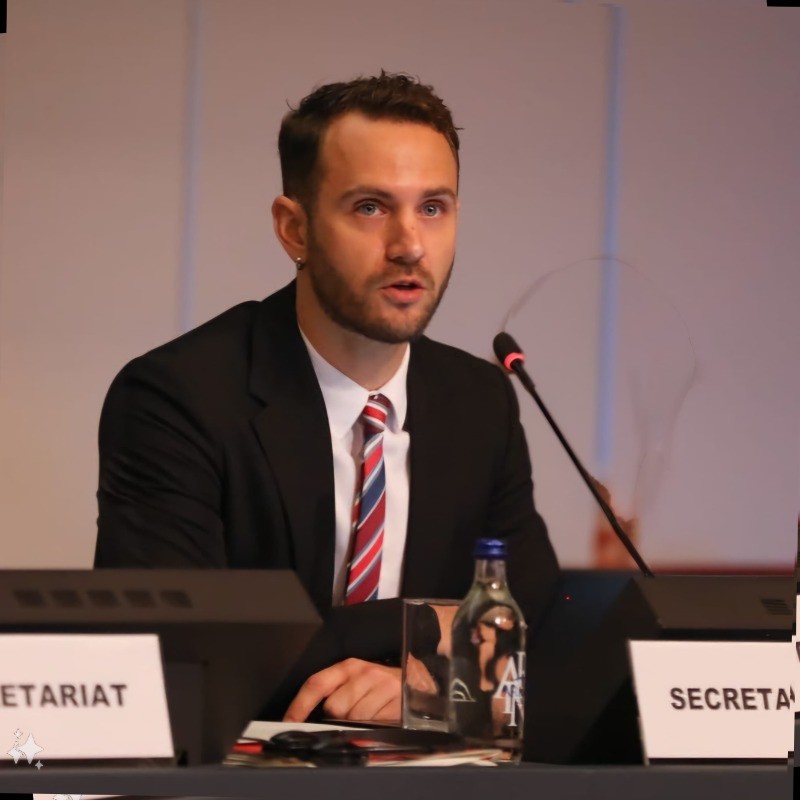 |
Agustin Harte, Programme Management Officer at BRS Secretariat/UNEP, Geneva, Switzerland |