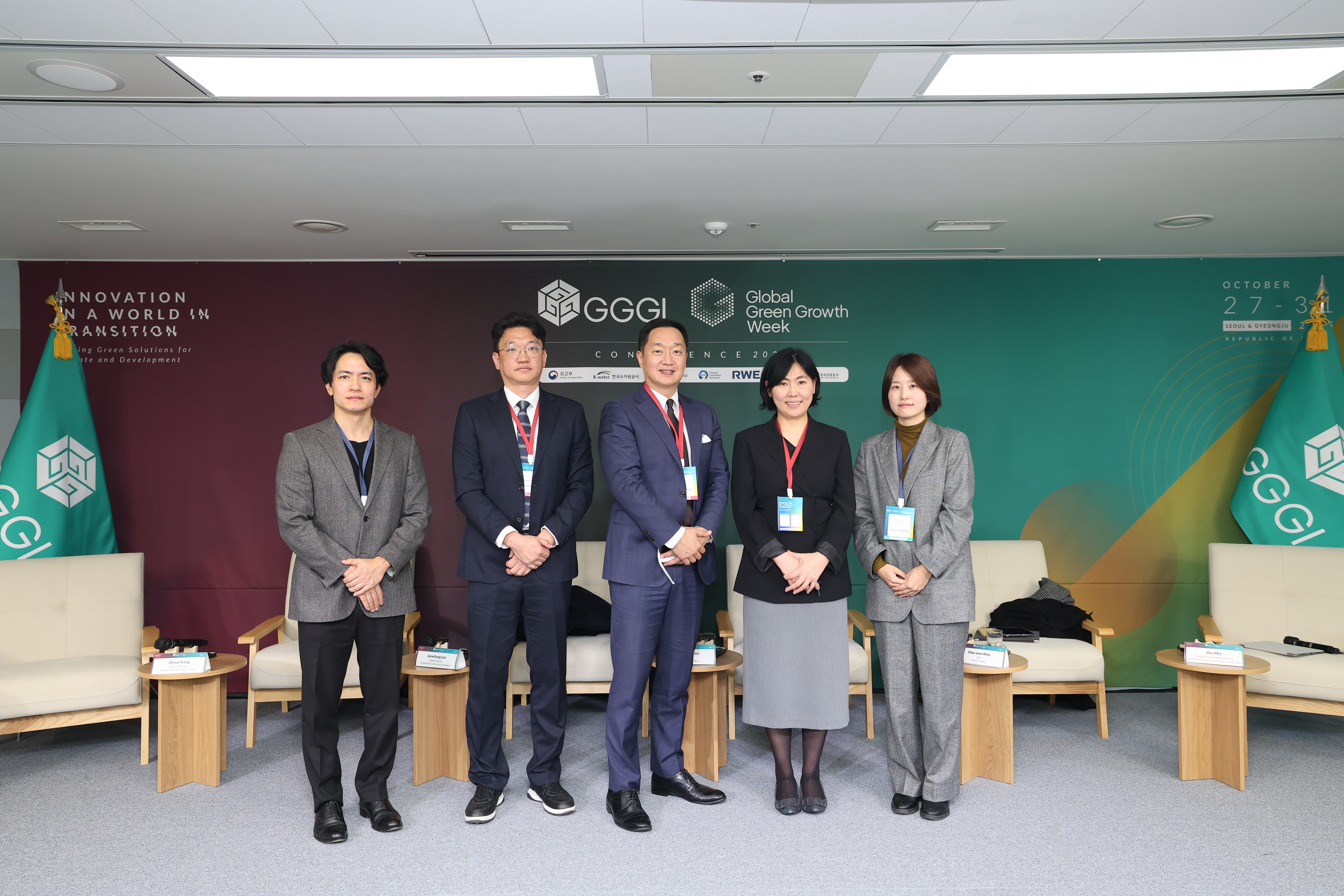


Inspired by the session “Advancing Methane Mitigation in ASEAN” at GGGWeek 2025
The session opened with a shared recognition: methane is no longer a peripheral climate concern—it is increasingly shaping economic competitiveness across ASEAN. Delegates, climate technologists, policymakers and development partners gathered not only to examine emissions reduction options, but to reflect on a rapidly shifting global economy in which the carbon profile of rice, beef and other agricultural products increasingly influences access to markets. Jisu Min, Thailand Country Representative and ASEAN Program Development Lead for GGGI, framed the discussion with clarity. The issue for exporters, he noted, is no longer only about how to produce, but how to credibly demonstrate the climate integrity of that production. “If you are exporting rice to Europe, and consumers are aware of how much greenhouse gas was emitted to produce it,” he observed, “the more sustainable you are, the more competitive you will be vis-à-vis conventional exporters.” Early movers stand to benefit through preferential access to finance and buyers; those slower to adapt risk diminishing market opportunities. Min also noted that, with methane having a significantly higher global warming potential than CO₂ and agriculture representing a major source of emissions in Asia, targeted methane mitigation offers governments a way to advance NDC commitments without immediately constraining energy systems that remain central to economic growth. 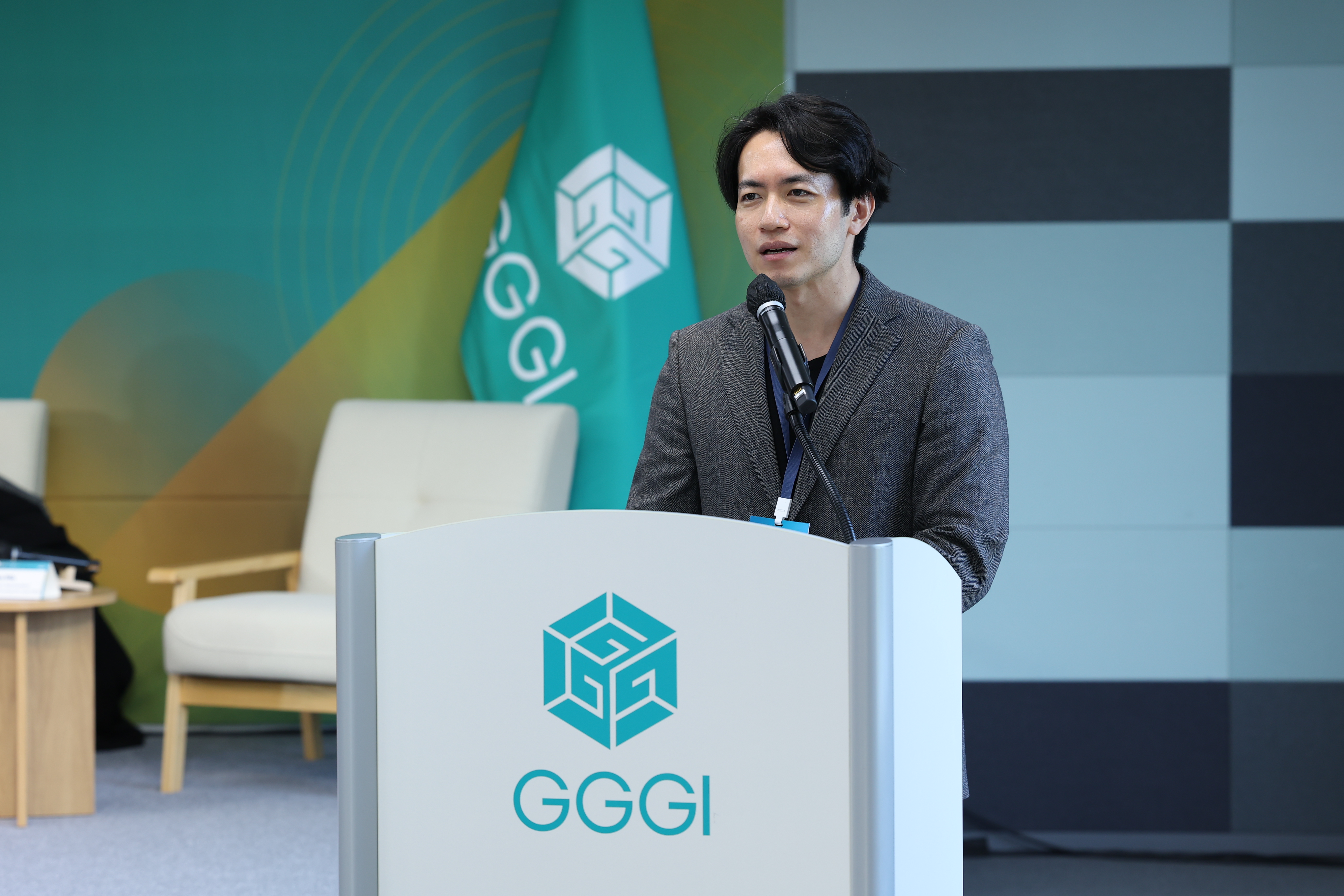
GGGWeek 2025
Yet methane poses a unique challenge. Unlike emissions from fixed infrastructure, methane originates from diffuse, highly variable sources—wet soils, rumen digestion, and unmanaged organic waste. As Min asked the room: “When you think about cows grazing or rice paddies under water—how do you measure that?”
This question set the tone for the session. Measurement, Reporting and Verification (MRV) emerged as the central enabling condition for methane mitigation—an essential foundation for credible finance, farmer incentives, and policy pathways. The discussion underscored a pragmatic shift underway: digital and AI-enabled solutions are no longer hypothetical innovations, but tangible tools shaping real-world implementation.
From Practice to Proof: Digital MRV for Rice Cultivation
In rice cultivation, the climate challenge begins with water management. Dr. Haewon Kim, CEO of Thanks Carbon, described how continuous flooding creates oxygen-poor conditions that intensify methane production. The solution—Alternate Wetting and Drying (AWD)—is well-established, but historically difficult to verify at scale due to high monitoring costs and inconsistent field data.
Thanks Carbon’s Heimdall platform directly addresses these constraints. Using satellite radar to distinguish wet from dry fields, automated boundary detection to define project areas, and mobile-based photo documentation, Heimdall creates a continuous, auditable data trail.
“We developed a digital MRV system that cuts costs by up to 97%, ensures transparency, and makes farmer participation scalable,” Kim noted. The approach is already demonstrating policy-relevant results. In Battambang, Cambodia, a 33-hectare pilot combining satellite analysis, chamber measurements and field monitoring showed AWD plots used approximately 30% less water and reached 13.9% higher yields, with reduced pest incidence and lower production costs. These findings now underpin a 10-year Article 6.2 program expected to expand to 61,000 hectares and generate over 4 million tons of CO₂ reductions by 2035. Kim further emphasized that rice methane is among the largest agricultural emission sources in Asia and that digital MRV can support not only climate targets, but also job creation, upgraded irrigation infrastructure and more inclusive, women-engaged rural development in rice-growing communities.
“Climate-smart farming can be profitable, not just sustainable,” Kim emphasized—an observation that resonated across the room.
Making the Invisible Visible in Livestock Systems
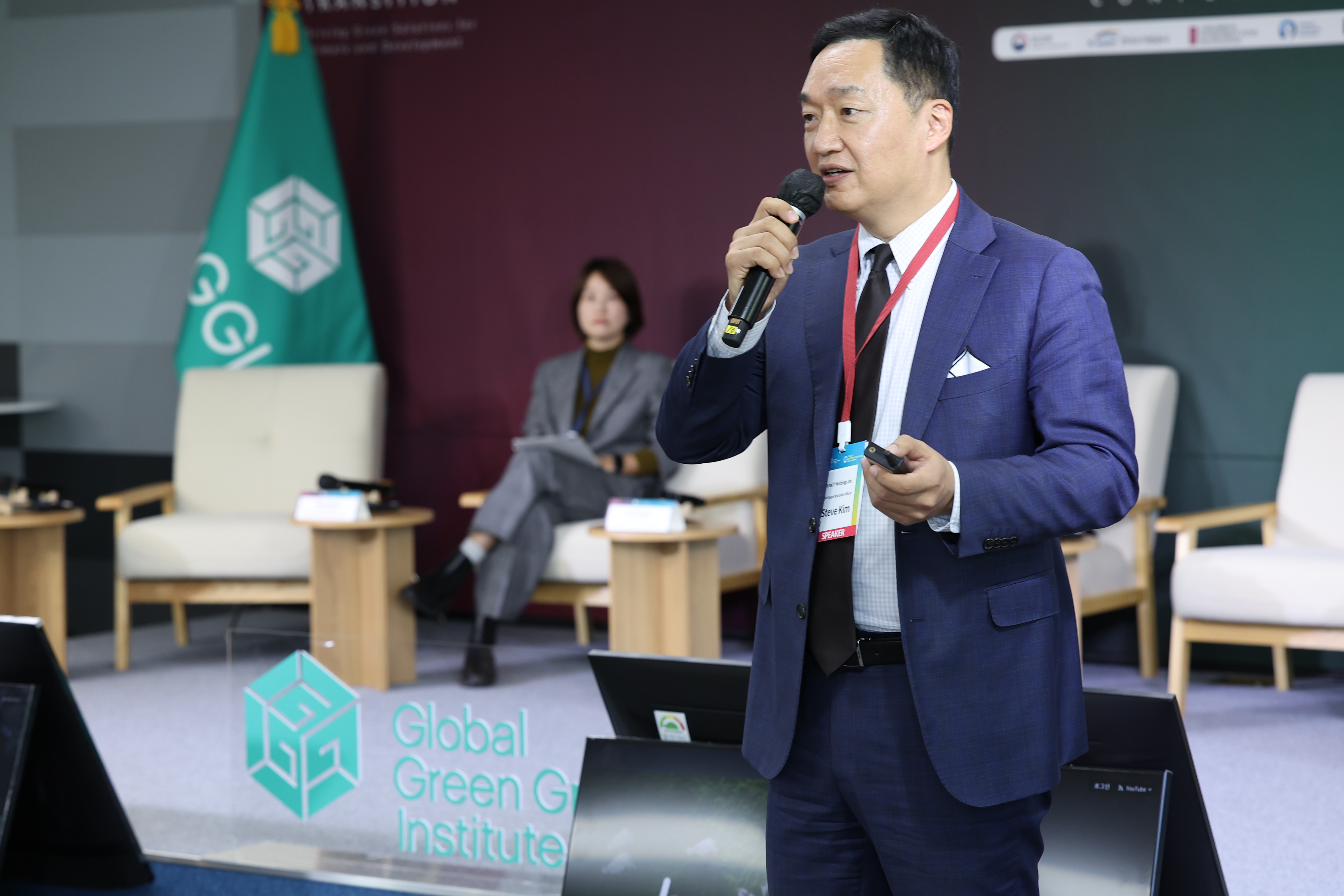
The session then turned to livestock methane—significant, but difficult to measure. Steve Kim, Chief Strategy Officer at MeTech Holdings, noted that despite broad awareness of enteric methane emissions, current quantification methods remain limited. “So much of current methane measurement is essentially a guessing game,” he explained. MeTech’s methane-sensing capsule offers a different pathway. Once ingested, the device remains in the cow’s stomach, transmitting continuous methane data. A methane-reduction capability is now being integrated into the same device; early trials in Korea have shown approximately 40–50% reductions when these compounds are activated. Kim underlined that such real-time, animal-level data can reveal that existing inventories substantially underestimate livestock methane emissions, with direct implications for how governments design mitigation trajectories, set baselines and allocate budgets for the sector.
GGGWeek 2025
Testing is underway in the United States under a master agreement with USDA, as well as in Brazil’s cattle sector. But Kim underscored that technology alone is insufficient: “If we ask farmers to act, they need to see a benefit. There must be subsidies, data infrastructure, and long-term government support—not just two years, but five, seven, ten years.”
His remarks echoed a recurring theme of this dialogue: effective mitigation requires both innovation and enabling conditions.
When Technology Meets Reality: Lessons from Korea’s Implementation
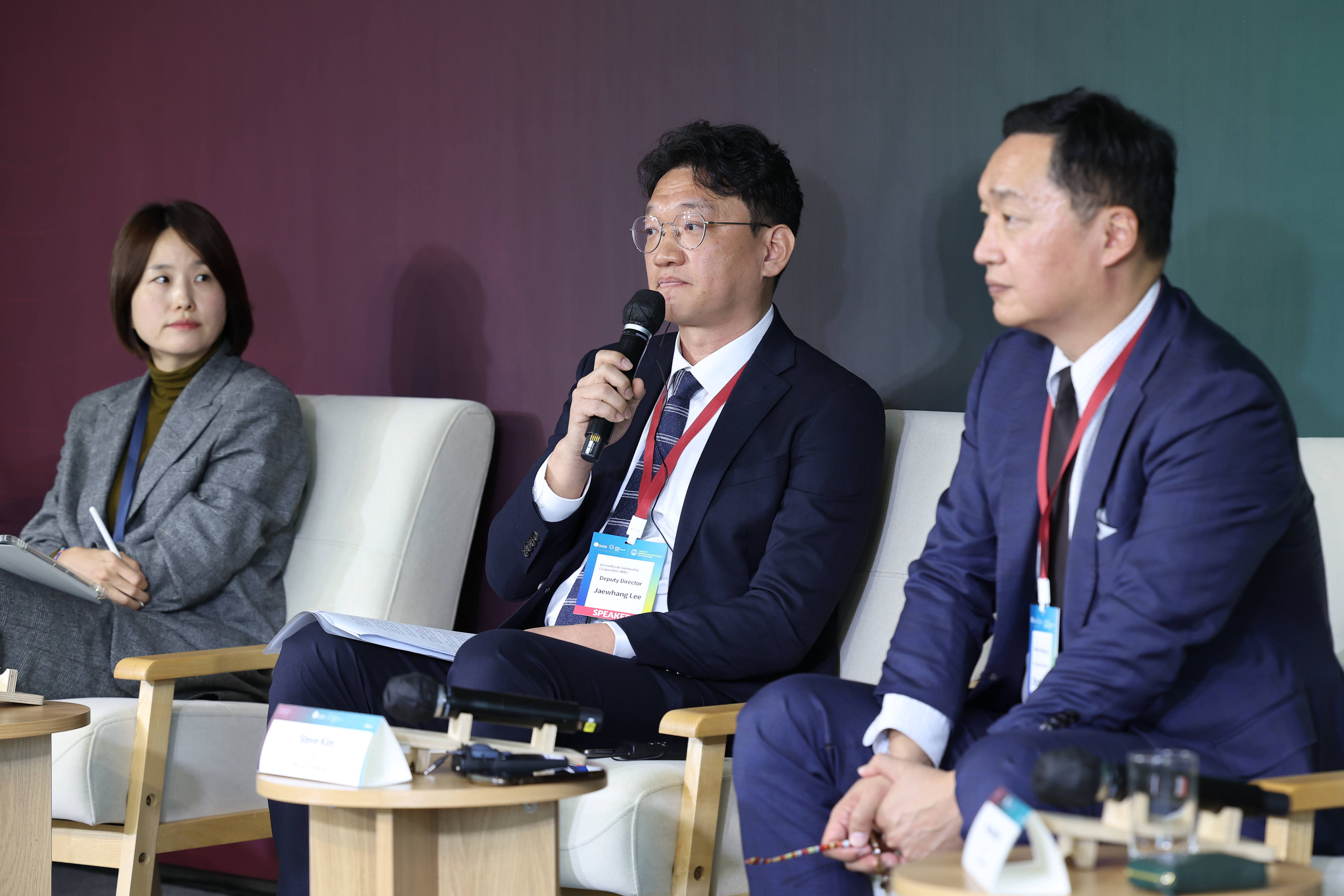
Jaewhang Lee, Deputy Director at the Korea Rural Community Corporation (KRC), brought the discussion back to the operational realities faced by farmers and implementing agencies. He explained that Korea’s national low-carbon farming programme provides incentives for practices such as Alternate Wetting and Drying (AWD) and biochar use, with compliance verified through mobile documentation and field inspections. However, he underscored that the principal barrier is not the availability of data, but long-established irrigation practices. “There is resistance,” he noted, adding that sustained adoption “requires understanding why, not only how.” For many older farmers, verification processes—especially those relying on digital tools—can feel more burdensome than supportive, turning MRV into a barrier to long-term engagement rather than a simple compliance step. In this context, simplifying verification and reporting becomes essential if new practices are to endure beyond the project cycle. Sustainability of behaviour change also depends on whether farmers genuinely understand why they are being asked to adopt new techniques and what the concrete climate benefits are; without that clarity, practices risk remaining short-lived, underscoring the importance of sustained outreach and capacity-building. At the same time, any model for methane mitigation must be tailored to the realities of ASEAN countries—their specific crop varieties, water management systems, and ecological conditions. The Korean experience offers a rich source of lessons and practical tools, but functions best as a reference point to be adapted, not a blueprint to be copied wholesale.
GGGWeek 2025
Turning Pilots Into Policy
Jihyun Kang, Project Manager of the ASEAN–Korea Cooperation for Methane Mitigation (AKCMM), underscored the importance of translating technological advances into nationally endorsed systems. “Introducing technology in agriculture and livestock requires cooperation across government, companies and farmers,” she said. AKCMM engages at three levels—policy, implementation and field practice—to ensure that innovative tools are calibrated to local contexts and sufficiently supported to influence long-term strategies.
Synthesis: Data as the Organizing Layer of Agricultural Transition
In closing, Min returned to the theme that opened the session: once data becomes reliable and continuous, it changes not only how methane is managed, but how agricultural systems are governed and supported. Digital MRV systems do not simply verify climate outcomes — they help governments understand production patterns, help farmers optimize for both yield and income, and help markets discern which supply chains are ready for a low-carbon future. Panelists also highlighted that the same systems used to monitor AWD or enteric methane can capture a broader set of agronomic and financial information—from crop varieties and fertilizer use to loan levels and animal health—providing a richer evidence base for agricultural and rural development policy beyond climate alone. The technologies highlighted in this session — satellite-verified AWD and real-time enteric methane sensing — signal a shift already underway: methane mitigation is moving from being a conceptual goal to an operational practice at scale. 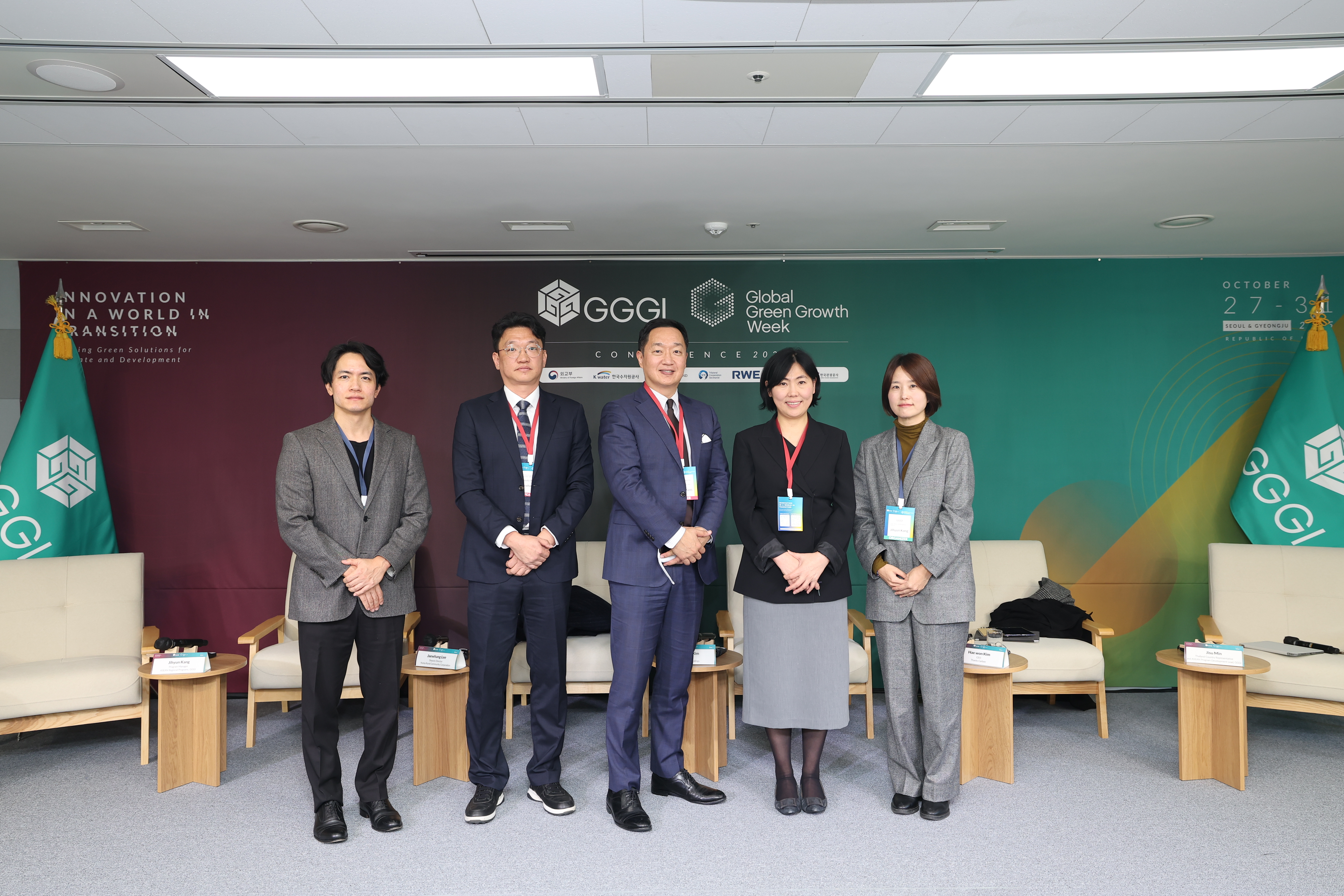
GGGWeek 2025
Photos @ 2025 Global Green Growth Institute
Watch the session recording: