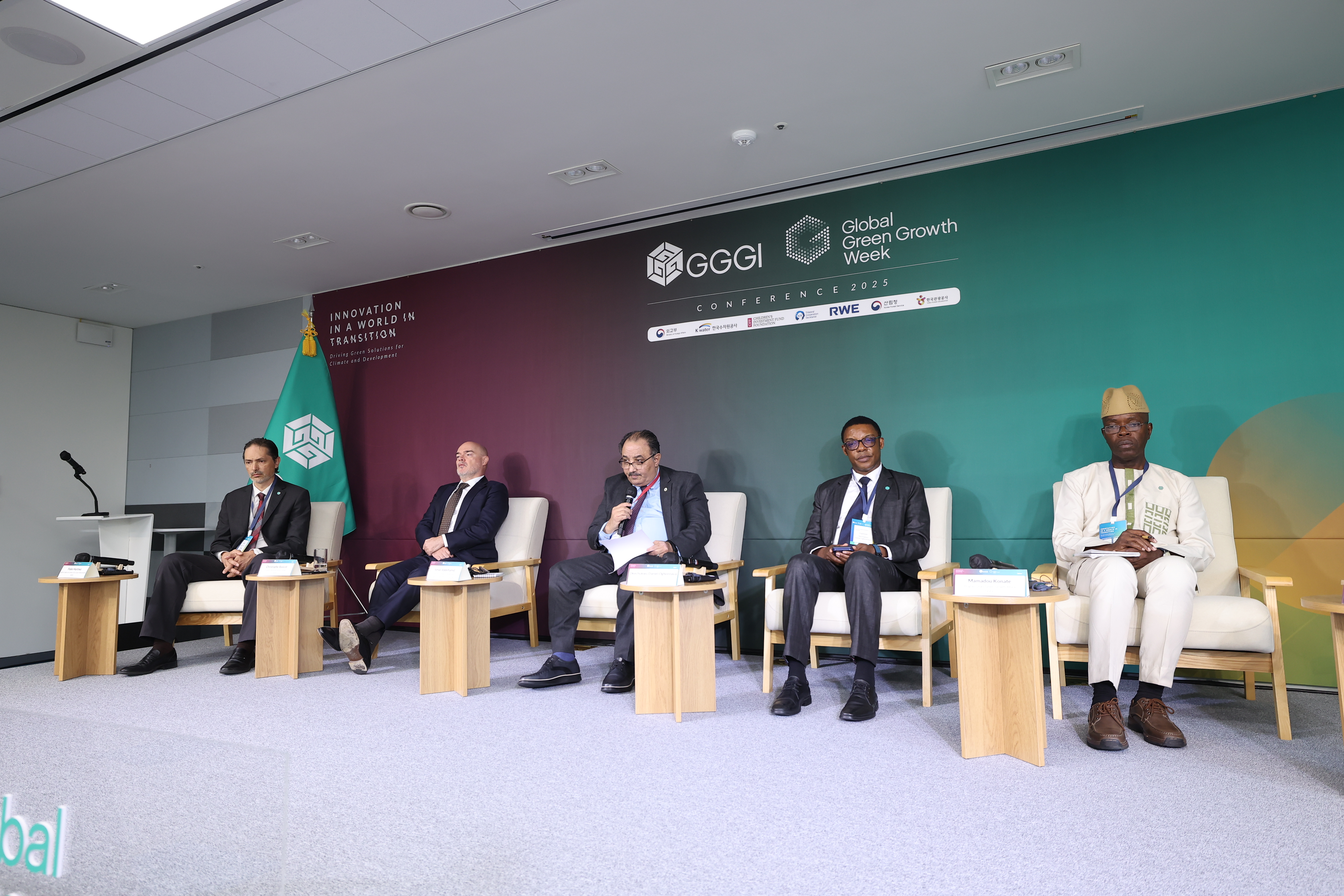


Inspired by the session “Community Resilience & Food Security and Food Systems” at GGGWeek 2025
Seoul, 28 October — GGGI Headquarters, Global Green Growth Week
Why Are Food Systems the Front Line of Adaptation?
Food demand is rising as populations grow, yet expanding cultivated land is neither feasible nor sustainable. Food security requires redesigning existing agricultural systems—improving productivity, strengthening value chains, and ensuring that communities can continue to produce under climate stress. This effort spans key crops such as cocoa, rice, shea and vegetables, supported by go-to-market strategies including e-commerce platforms, supermarket partnerships and the promotion of local products, alongside the use of solar energy to reduce emissions along the value chain.
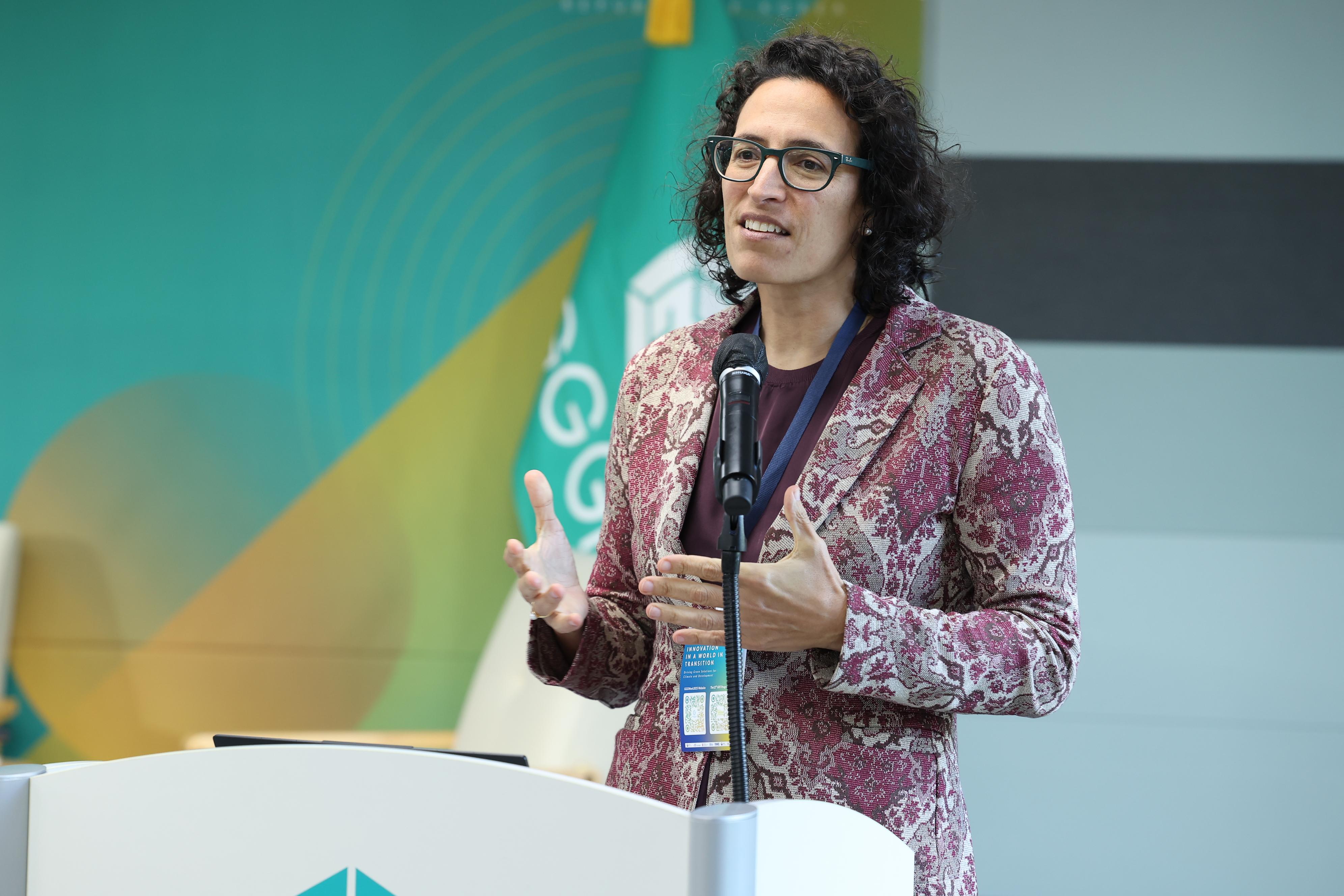
Opening the session, Katerina Syngellakis, Africa Regional Director at the Global Green Growth Institute (GGGI), emphasized that food security is not only about yields. It is about nutritious food, balanced diet, stable rural livelihoods, and sustainable landscapes. This means investing in climate-smart agriculture—such as improved seed varieties, irrigation, and digital advisory services—while also ensuring secure land tenure, evidence-based planning, and meaningful roles for women and youth across the value chain.
GGGWeek 2025
Within this context, the discussion positioned the ME-Africa SAFE initiative as a vehicle for targeted agricultural investment, designed to scale proven innovations and strengthen both socio-economic and environmental sustainability. With this foundation set, the session moved from grounded community resilience and food security examples to a regional initiative on food systems and food security.
Community Resilience, Told by Those Building It
Mamadou Konate, Senegal Country Team Lead at GGGI, began with a short film highlighting Senegal’s approach addressing the nexus of food, energy, water, and climate change to bring innovative solutions to increase productivity with grassroots communities. The project in Senegal River Valley—led by GGGI and funded by Qatar Fund for Development—financed solar-powered pumping which keeps water flowing across 12 communities. Thanks to additional support from partners such as Ministry of Agriculture, Food and Rural Affairs (MAFRA) and Korea International Cooperation Agency (KOICA), are trained in climate-smart techniques that protect the soil and boost yields—using improved seeds and smart planning—which should translate into more crops, higher incomes, and greater stability. The point was not only technology, but the network of government agencies, local cooperatives, and agricultural finance institutions that made climate finance accessible to small farmers and underpinned both sustainability and resilience. “In Senegal, resilience isn't just a word, it's a way of life. Together, let's plant the seeds of tomorrow—sustainable, resilient, inclusive.”
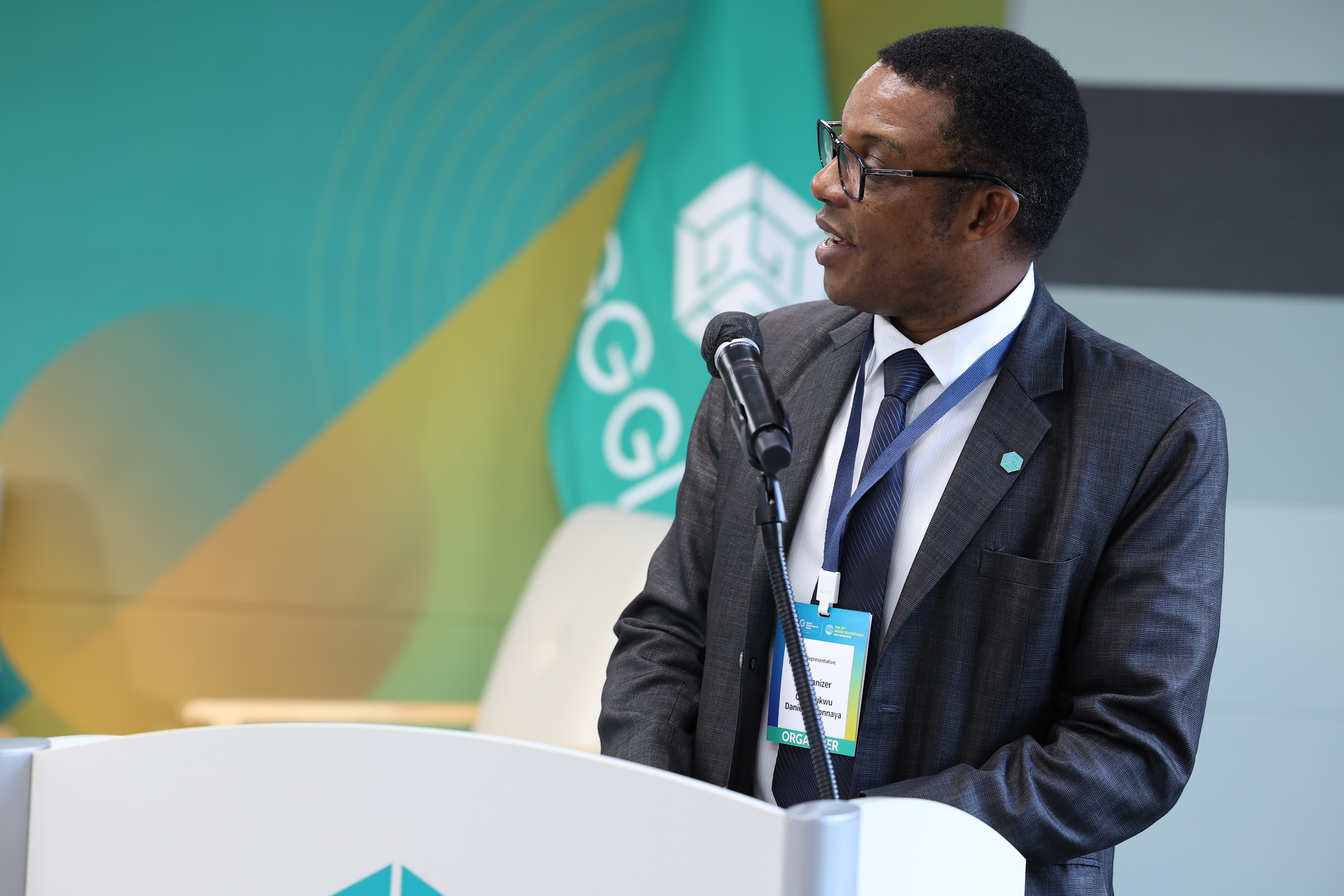
From Ethiopia, Okechukwu Daniel Ogbonnaya, Ethiopia Country Representative, showed how small shifts compound when communities adopt them together. A single family piloted vermicompost; today 34 families produce enough for their fields and sell the surplus. The work supported by Italy includes soil recovery through vermicompost, cooperative land aggregation, and community agroforestry, while a separate Italy-backed intervention supports solar irrigation systems adapted to each site. One system—a 9.15 kW solar PV array—irrigates 40–45 hectares, but the deeper lever was policy: GGGI’s technical assessments informed national guidelines for solar pumps, now applied to all imported systems. Community nurseries and reforestation cooperatives, often run by women and youth savings groups, add a living buffer to farms. An innovative financing mechanism for soil-acidity reclamation using liming—piloted in Zambia and scoped for Uganda—tackles degraded soils so regenerative practices can take root. Ogbonnaya emphasized that “it is really important to contextualize… there is a problem with trying to use a one-size-fits-all approach,” underscoring Ethiopia’s vast size and diverse agroecological zones. Through this integrated, community-based approach, local initiatives can also mobilize investment, enabling impact to scale across regions.
GGGWeek 2025
Deborah Ore Konan of Café Cacao Conseil turned the discussion toward Côte d’Ivoire’s cocoa landscapes—anchoring her remarks in a sector that represents both cultural identity and over 40 percent of global supply. She outlined the Coffee and Cocoa Council’s reforestation contribution strategy, which makes agroforestry mandatory on cocoa farms and provides 25–40 forestry seedlings per hectare to support ecosystem restoration. The strategy is now being implemented in the Soubré, San Pedro, and Divo regions and includes a results-based payment mechanism for producers who demonstrate good environmental and social practices, particularly in areas adjacent to protected zones. By 2035, targets include restoring 2.5 million hectares and planting 100 million trees, with youth groups and community organizations playing a central role in implementation.
Konan underscored the strategy’s intent: “Protect nature, improve livelihoods, fight deforestation”—clear aims, but equally a design logic for landscapes that must keep producing under heat and uncertainty.
Syngellakis concluded by underscoring that climate-smart agriculture is increasingly being applied at the community level, with practices that are measurable, context-specific, and aligned with national priorities.
From Pilots to Pipelines: Financing What Works
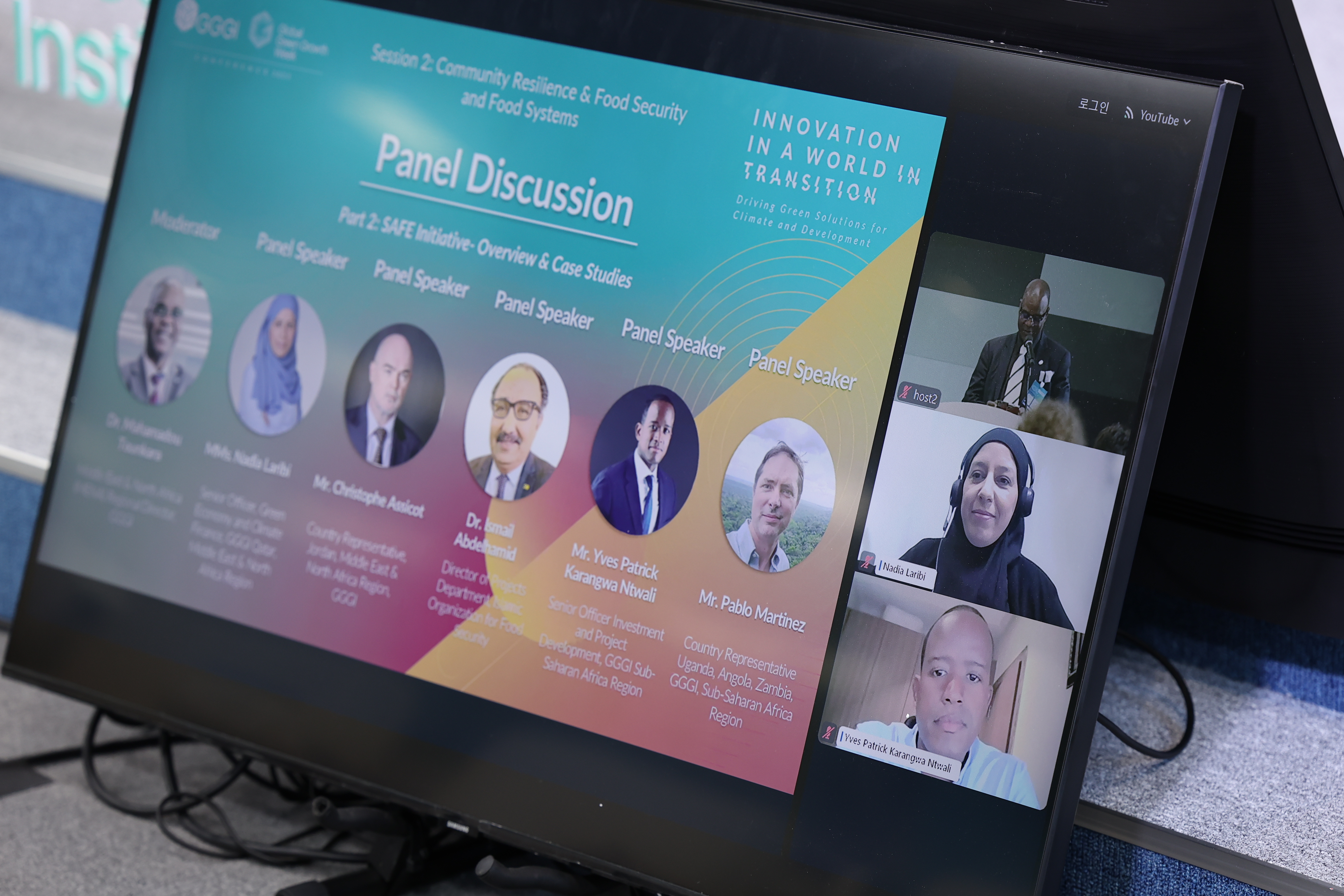
The session then moved to a regional perspective, with Mahamadou Tounkara, GGGI’s Middle East and North Africa Regional Director, and Nadia Laribi, Senior Officer for Green Economy and Climate Finance in the Middle East and North Africa at GGGI, presenting Scaling Agriculture for Economic Development(SAFE), a US$10 billion Africa–MENA initiative launched at COP28. SAFE’s premise is straightforward: let countries lead; build public–private partnerships (PPP) around their priorities; finance at the speed of need.
Laribi outlined the implementation approach. She noted that in early 2024, a dedicated core team was established and organized around four priorities: (1) forming new technical partnerships, including with the Islamic Organization for Food Security (IOFS), the Islamic Development Bank, the Arab Authority for Agricultural Investment and Development, and national food-security institutions; (2) mobilizing a project pipeline of US$1.2 billion within a short timeframe through contributions from GGGI country offices; (3) strengthening knowledge sharing and communication; and (4) advancing resource mobilization, including through the design of a multi-donor trust fund.
By late 2024, four proof-of-concept projects had been identified for advancement: a private-sector value-chain project in Togo; a local infrastructure investment in Jordan; and livestock-sector baseline assessments in both Togo and Guinea, which will inform sector investment plans. Laribi emphasized that a central selection criterion was official endorsement from a local sponsor, which was essential for ensuring co-funding, alignment with national priorities, and government ownership of the subsequent implementation process.
Country Examples: Building Pathways for Food System Resilience
In Jordan, Christophe Asicot, GGGI Country Representative, presented the Amman Sustainable Livestock Processing Facility, a long-standing government priority developed through extensive consultation with the Ministry of Agriculture, the Ministry of Environment, and the Ministry of Investment. He noted that a decade of refugee inflows and rising national demand for meat have created pressures that existing facilities—none built to modern standards—cannot meet. GGGI is updating a January 2022 World Bank feasibility study, integrating biogas, solar power generation, and wastewater treatment, and advancing a PPP structure in which the city will provide land. The market analysis, business model, environmental and social assessment, and financial modelling have been completed. Investor engagement, including outreach to partners in the Gulf region, is underway through GGGI’s network and in coordination with AmmanVision, the investment arm of Amman City. The intention, Asicot emphasized, is to move from a study to an implementable, investable project.
For Togo and Guinea, Dr. Ismail Abdelhamid, Director of Projects at the Islamic Organization for Food Security (IOFS), outlined the livestock value-chain baseline assessments carried out with GGGI. The studies draw on direct engagement with farmers and sector stakeholders and map infrastructure, regulatory conditions, veterinary capacity, and market dynamics. A consistent message emerged: both countries show strong potential but require urgent investment in genetic improvement, disease prevention and control, and quarantine capacity to advance toward greater self-sufficiency in meat and dairy. With political support confirmed in both countries, the final reports are expected shortly and are already informing discussions with regional lenders, including the Islamic Development Bank.
Turning back to Togo, Yves Patrick Karangwa Ntwali, Senior Officer for Investment and Project Development at GGGI Africa, presented a feasibility study conducted with Labeldor—the country’s pioneer in certified organic soybean exports serving the European Union market. Despite Togo’s leadership in raw soybean exports, domestic processing capacity remains limited. The proposed €5–10 million investment would establish a processing unit, silos, and warehousing to produce soybean oil, meal, and animal feed, stabilizing farmer incomes and increasing local value addition. The US$64,670 feasibility study covers market analysis, technical and financial modelling, and an environmental and social assessment with a climate focus, culminating in investor-ready materials. Labeldor’s broader operations—spanning pineapple, shea, and certified climate-resilient seeds—position it as an anchor firm capable of driving inclusive agro-industrial growth.
Finally, Pablo Martinez, GGGI Country Representative for Uganda, Angola, and Zambia, highlighted a tangible milestone: financial close for Asante Dairy in Uganda. The project comprises a 60,000 litres-per-day processing plant, expandable to 100,000 litres, supported by a solar-integrated cold chain and extension services for smallholder farmers. The US$18 million investment, secured through a guarantee mechanism with partners in the Middle East, builds on GGGI’s earlier green-industrialization analysis in Soroti and months of joint refinement of Asante’s value proposition and green features. As Martinez noted, SAFE’s “proof-of-concept” model is now operational: this success is expected to shorten preparation timelines for similar transactions across the region.
GGGWeek 2025
The Room, in Conversation
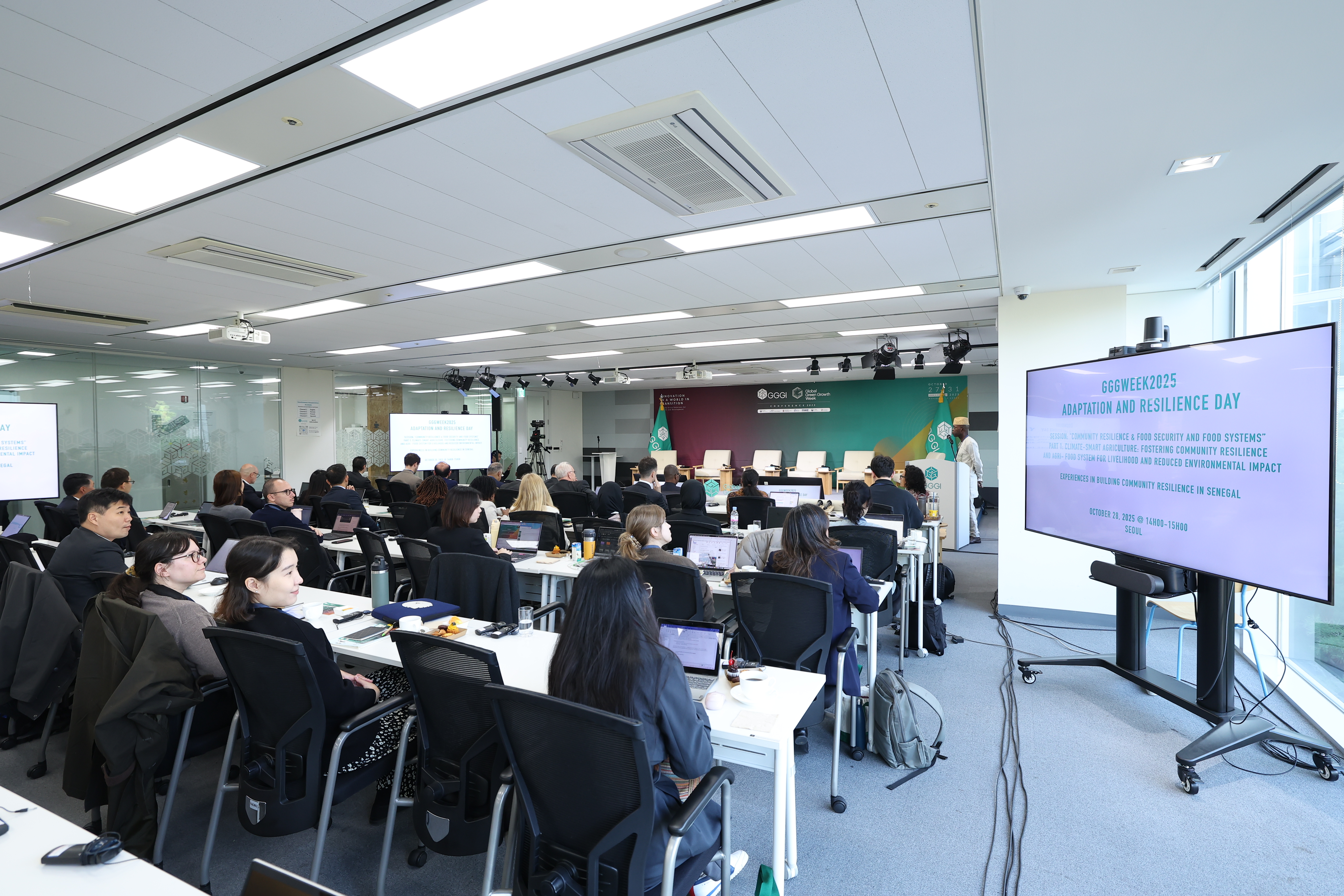
Questions from participants gravitated toward two themes: how research institutions could engage more fully with SAFE, and what underpinned the Africa–MENA financing connection in the Uganda example.
Tounkara’s response was pragmatic. SAFE was designed as a regionally owned platform, and research partners are integral to its implementation. He emphasized that one of SAFE’s standing pillars is green technology cooperation, and that organizations such as ICARDA—already advancing laboratory-validated solutions that can be translated into field-ready practices—are precisely the type of partners the initiative seeks to integrate.
On the investment rationale, Martinez and Ogbonnaya noted that the alignment is both economic and climatic. Demand for food security is growing rapidly across the MENA region, while Sub-Saharan Africa holds the majority of the world’s remaining arable land, yet faces persistent underinvestment. When projects are structured around clear national priorities, meet bankability standards, and demonstrate measurable impact, capital can flow where regional strategies and interests converge.
GGGWeek 2025
Synthesis: What Scales, and Why
Across the session, a consistent message emerged. Resilience is implemented locally, yet enabled by regional and international financing. Solar pumping systems can irrigate 40–45 hectares when cooperatives, technicians, and maintenance structures are in place. Support for soil regeneration—such as liming finance—matters only when extension services and land tenure allow farmers to apply it. Agroforestry seedlings planted today will influence farm microclimates in the years ahead, but their success depends on market incentives, predictable results-based payments, and supportive policy frameworks.
Bankability, noted throughout the session, is not an administrative milestone but a design principle. Projects must be structured so that communities can adopt and operate them, governments can regulate and enable them, and investors can commit to them with confidence. Taken together, the interventions underscored a shared conclusion: community-led practice and regionally anchored finance advance the same objective. When these elements align—farmers equipped with workable tools, governments providing standards and clarity, research partners delivering actionable guidance, and investors supporting models that reduce risk—food systems move from being points of vulnerability to foundations of resilience.
As noted earlier during the day, adaptation is not a choice. In food systems, it is already underway. The task ahead is to replicate and scale what is already delivering results, ensuring that proven, context-specific approaches reach the breadth of landscapes where they are needed most.
Photos ©2025 Global Green Growth Institute
Watch the Adaptation & Resilience session recording: