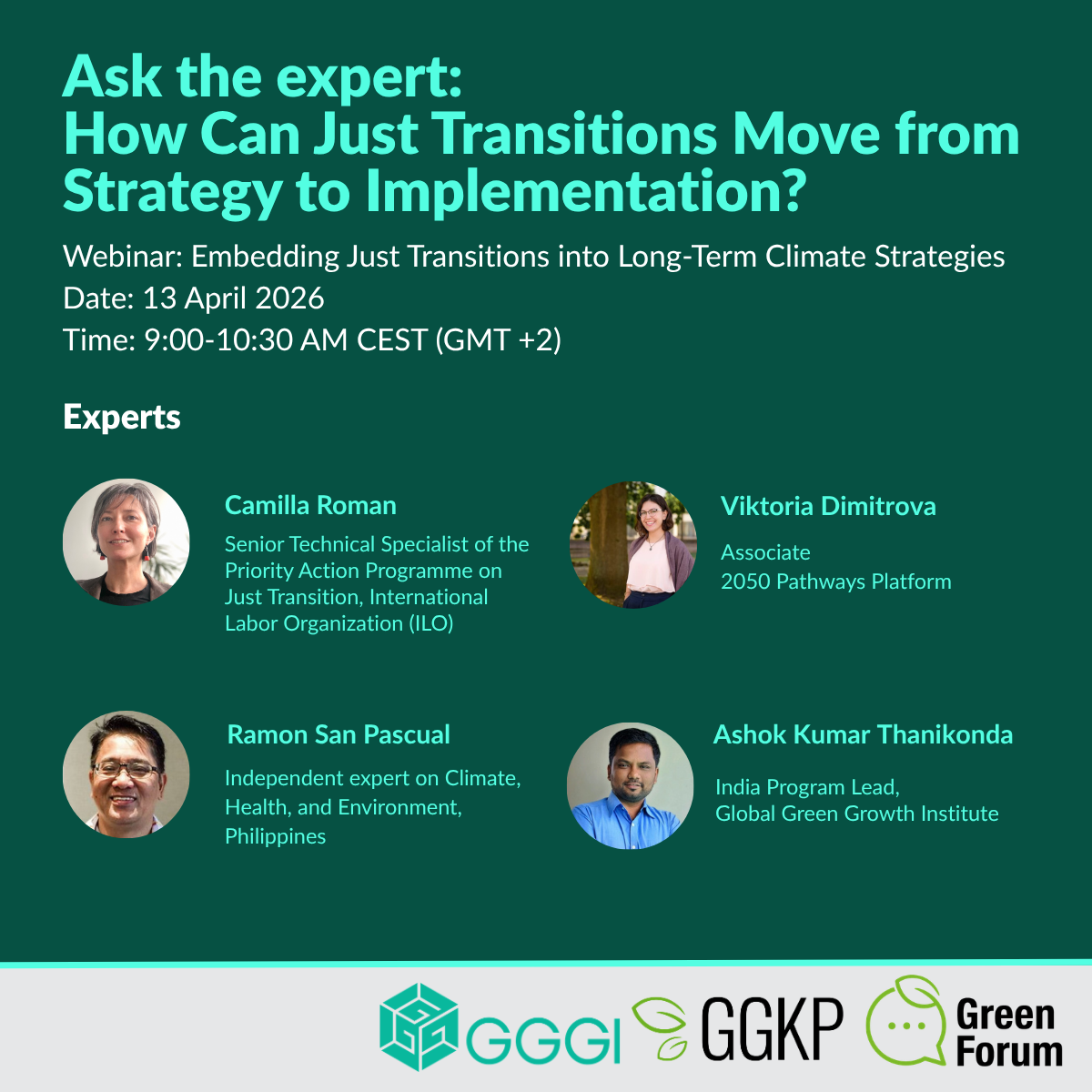


This blog post is based on the presentations and remarks of Dr. Roland Weber on the Global Green Growth Knowledge Partnership (GGKP) webinar “Activity Options for Action Plans on the Management and Elimination of PCBs and POP Pesticides” held on 16 December 2025.
Linking POPs to the Triple Planetary Crisis
Currently, thirty-seven Persistent Organic Pollutants (POPs) are listed under the Stockholm Convention. However, these represent only the "tip of the iceberg" considering that an assessment of 100,000 chemicals in production indicated that more than 570 chemicals likely met the Stockholm Convention POP criteria. With approximately 350,000 chemicals now in production and over 13,000 related to plastics (UNEP 2023), chemical production is projected to quadruple between 2020 and 2060 according to OECD. Recent studies conclude that "novel entities," including plastic pollution and chemicals of concern like per- and polyfluoroalkyl substances (PFAS), have already crossed planetary boundaries.
This reality ties directly to the triple planetary crisis of climate change, biodiversity loss, and pollution. For instance, open burning of waste containing POPs contributes to greenhouse gas emissions, while substances such as polychlorinated biphenyls (PCBs), dichlorodiphenyltrichloroethane (DDT), and other POPs drive population collapse in top predators like eagles and killer whales.
Integrated Approach and Life-Cycle Management
To effectively address these intersecting challenges, an integrated approach is essential. National Implementation Plans (NIPs) should not treat POPs in isolation but should align with broader frameworks such as the Basel, Rotterdam, and Minamata Conventions as well as the Global Framework on Chemicals, the Biodiversity and the Climate Convention (GFC). This approach can generate "win-win" outcomes. For example, replacing old PCB transformers with energy-efficient models reduces both carbon and POP emissions.
Effective management involves controlling POPs across their entire life cycle from production and import to recycling and disposal. Strengthening national coordination mechanisms and incorporating gender dimensions—ensuring the participation of women in sectors such as agriculture and manufacturing where exposure risks are high—are essential enabling activities.
Action Plans, Lessons, and Continuous Improvement
Action plan activities can be identified early, during POP inventory development. Inventory reports may include a chapter outlining suggested action plan activities. During this stage, also communication among ministries, agencies, and stakeholders should be assessed and strengthened.
Action plans may contain both POP-specific and cross-cutting activities—such as monitoring, contaminated site assessment, or awareness raising—designed to address shared challenges across chemical categories. Reviewing previous NIPs provides an opportunity to refine strategies, update outdated measures, and integrate lessons learned from earlier implementation efforts. Within the NIP structure, Chapter 3 outlines strategy and action plan elements, including a policy statement, implementation strategy, and detailed action plans that specify objectives, activities, performance indicators, timelines, responsible entities, and research needs.
The Pesticide Landscape: Health, Biodiversity, and the GFC
Nine of the initial twelve POPs were pesticides, and since 2009, an additional twelve have been listed. In May 2025, chlorpyrifos was newly added to Annex A, introducing significant momentum into global pesticide assessment and management. The World Health Organization (WHO) estimates that nearly 3 million agricultural workers suffer from acute pesticide poisoning each year, resulting in approximately 20,000 unintentional deaths and 735,000 chronic illnesses. Pesticides also threaten biodiversity. 16.5% of vertebrate pollinators are at risk of extinction, rising to 30% for island species. This decline directly jeopardizes agricultural yields and global food security.
The impact of pesticide use on health and biodiversity is severe, and it is important to recognize that there are many other Highly Hazardous Pesticides (HHPs) beyond those listed as POPs. The GFC, adopted in September 2023 at the fifth International Conference on Chemicals Management (ICCM5), guides countries and stakeholders in jointly addressing the lifecycle of chemicals, including products and waste. The “Issues of concern” under the GFC include HHPs, PFAS, endocrine-disrupting chemicals (EDC), environmentally persistent pharmaceutical pollutants and others. To maximize resources through enhanced coherence and synergies between multilateral environmental agreements (MEAs) and their implementation, HHPs can be considered in the NIP including action plans which has already been done by a range of countries.
Robust Regulatory Framework and Inventory Update
When establishing action plans, the development of a regulatory framework is the primary consideration. Recommended activities include updating existing regulations to restrict or ban all listed POP pesticides and conducting rigorous assessments of existing exemptions. Furthermore, in synergy with GFC Target A7, countries can include the assessment, restriction, and phase-out of all HHPs. It can extend to combating illegal traffic and falsified products while promoting Good Agricultural Practice (GAP), Integrated Pest Management (IPM) and organic farming.
As Dr. Weber emphasized, "Integrating highly hazardous pesticide into the common approach when updating the NIP is a straightforward way for low- and middle-income countries to achieve good synergies".
For the inventory update, recommended activities include the inventory of POP pesticides in current use and the update of obsolete pesticide stockpile inventories. Specific attention must be given to the assessment of fluorinated high-density polyethylene (HDPE) containers. Research by the United States Environmental Protection Agency (USEPA) revealed that such fluorination can unintentionally produce and release perfluorooctanoic acid (PFOA), contaminating pesticides at levels up to 250 nanograms per gram. This pathway spreads PFAS to agricultural areas, food crops, and feed.
Life-Cycle Management and Remediation of Contaminated Sites
Sound life-cycle management entails assessing and improving pesticide production, storage, handling, and disposal. Implementing the Globally Harmonized System of Classification and Labelling of Chemicals (GHS) ensures pesticide containers utilize appropriate language and information so that farmers understand the risks. Establishing collection and management systems for empty pesticide containers—with a focus on controlling reuse and implementing Extended Producer Responsibility (EPR)—is key to preventing environmental contamination and human exposure. Further activities can include establishing capacity to address emergencies and disasters relative to POP pesticides and HHPs (poisoning, spillage, fires, contamination) and establishing a poison center, in line with GFC Target A6.
For contaminated sites, activity options include identifying former POP pesticide use, storage, and disposal areas, and the contamination level of soil, ground water and potential receptors. Furthermore, securing and monitoring contaminated sites and possibly remediate contaminated sites, and developing a database and conceptual site models of sites potentially contaminated by POP pesticides or HHPs are important for the management. The recent established Stockholm Convention Best Available Techniques and Best Environmental Practices (BAT/BEP) guidance on POPs contaminated sites can support in this activity.
Awareness Raising, Alternatives, and Monitoring
The activities for awareness raising and education can be established by relevant stakeholder groups. For policy makers, education on health hazards and external costs of POP pesticides and HHPs is vital. Capacity building activities can extend to inspection at customs and other competent authorities (market survey, sales, storage, usage including falsified and illegal pesticides), farmers (especially also involved woman) on POP pesticides, HHPs, falsified pesticides and the use of IPM and organic farming. Education to citizens (considering gender) and NGOs on POP pesticides, HHPs, falsified pesticides, organic farming and products is also important.
Alternatives assessment is another key element. Recommended activities include the compilation of safer chemical and non-chemical alternatives based on existing information and the generation of new data where necessary. Tools such as USEtox, a scientific consensus model endorsed by the UNEP Life Cycle Initiative, can be used for these assessments. For monitoring, activities options can be to strengthen laboratory capacity, develop national and regional pesticide monitoring systems, and track occupational exposure and vulnerable population to POP pesticides and HHPs considering gender aggregation.
Emerging TFA Challenge from Pesticides and other Sources
Regarding the GFC and the link to PFAS issues of concern and HHPs, recent analysis indicates that there are a range of PFAS pesticides which are precursors of trifluoroacetic acid (TFA). Many of these pesticides contain CF3 groups which can alter properties such as stability and lipophilicity, increasing bioavailability. If the CF3 group is linked to another carbon (C-CF3), TFA can be formed as a transformation product in biological and chemical processes.
In Switzerland, levels of TFA in groundwater frequently exceed 1 microgram per liter in agricultural areas. Recent analysis of cereal products and wine also indicates high levels of TFA. In wine, levels have skyrocketed since 2015 mainly due to the increased use of TFA-generating pesticides and other TFA sources. Addressing these issues requires looking beyond POP pesticides to the broader picture of chemical safety and environmental protection.
POPs are not an isolated problem but are deeply intertwined with the broader planetary crises of climate change, biodiversity loss, and pollution. Developing effective action plans for NIPs requires an integrated, holistic approach that recognizes these interconnections. Especially, the continued use of POPs pesticides and HHPs threatens ecosystems, biodiversity, food security, and human health, underscoring the urgent need for integrated and forward-looking action. By leveraging synergies with the GFC and aligning with MEAs, countries can move in the NIP update beyond the scope of the Stockholm Convention to implement comprehensive life-cycle management of chemicals at the national level.
To learn more about the Global NIP Update project, visit Global NIP Update | Green Policy Platform
For a deeper dive into the GGKP webinar “Activity Options for Action Plans on the Management and Elimination of PCBs and POP Pesticides”, you can access the full recordings and materials here: https://www.greenpolicyplatform.org/webinar/activity-options-action-plans-management-and-elimination-pcbs-and-pop-pesticides
You can also explore relevant resources:
- UNEP (2023) Chemicals in Plastics – A Technical Report. https://www.unep.org/resources/report/chemicals-plastics-technical-report
- Stockholm Convention Secretariat (2025) Guidance on Best Available Techniques and Best Environmental Practices for the Management of Sites Contaminated with Persistent Organic Pollutants. https://www.pops.int/Implementation/BATandBEP/POPscontaminatedsites/Guidance/tabid/9649/Default.aspx
The story is curated by Jr. Project Support Consultant - Soomin Bae, GGKP, UNEP.
Author:
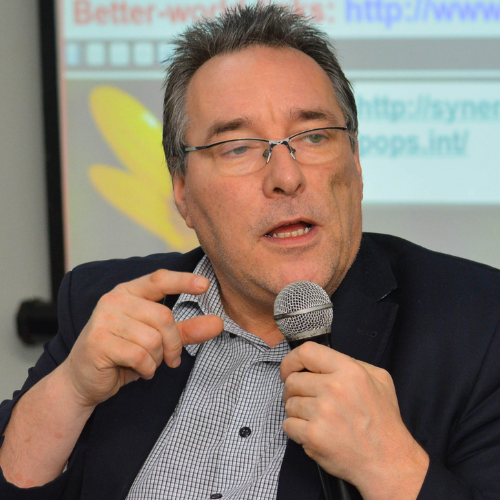 |
Roland Weber, POPs Environmental Consulting, https://www.researchgate.net/profile/Roland-Weber-2 |