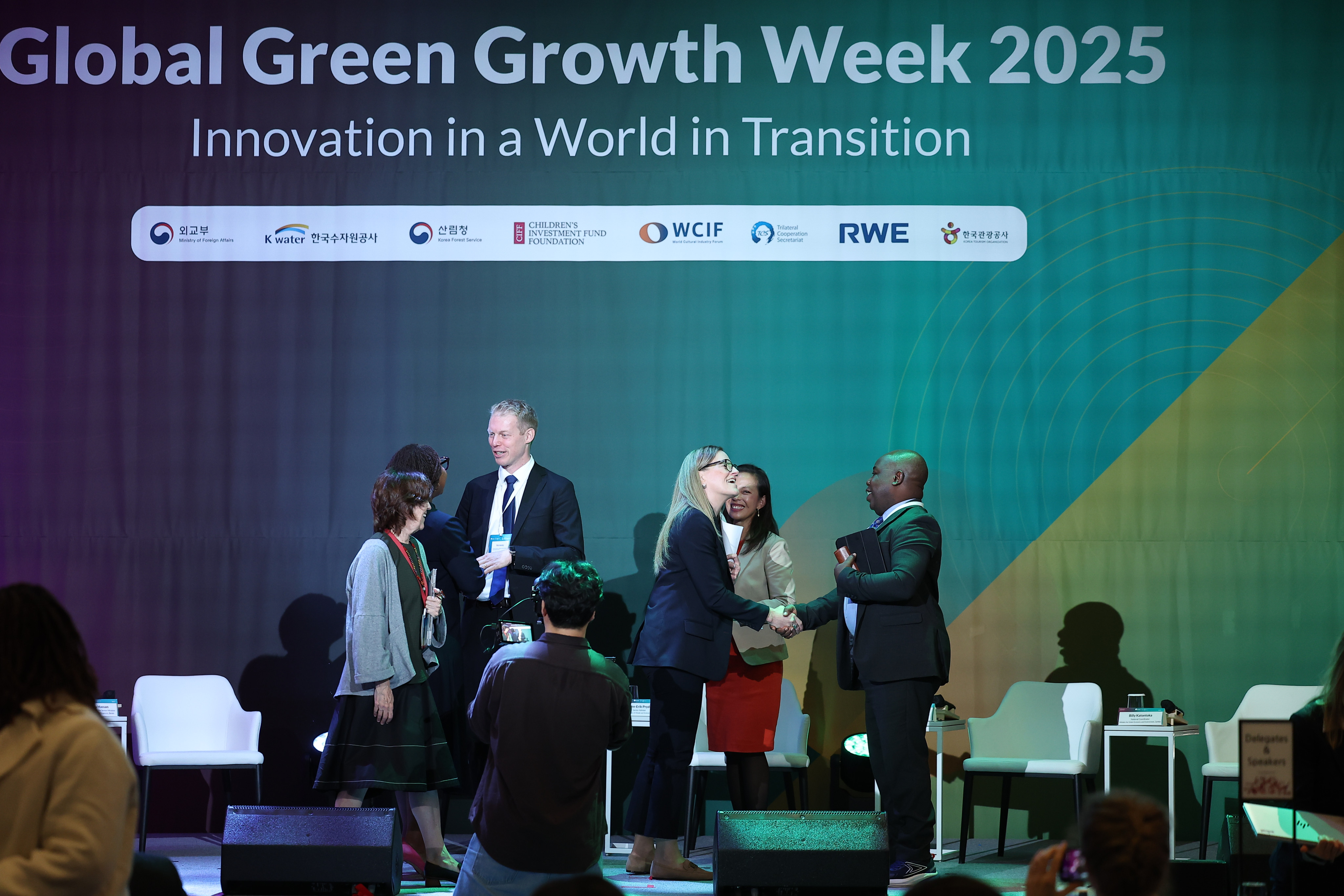


Setting the Scene
At GGGWeek 2025, ministers, government officials, and climate finance experts from across the globe convened for a pivotal session: “Implementing International Carbon Markets.” Hosted by GGGI’s Carbon Finance Department, the session brought together voices from Pakistan, Sri Lanka, Sweden, Norway, New Zealand, Benin, and Zambia—each with a unique story to tell about their journey with Article 6, the Carbon Transaction Facility (CTF), and SPAR6C.
Gerard O’Donoghue, GGGI’s Deputy Director-General, opened the session by framing carbon markets as a strategic pillar for global climate action. He emphasized that GGGI’s work is about turning readiness into results—helping countries move from ambition to measurable impact.
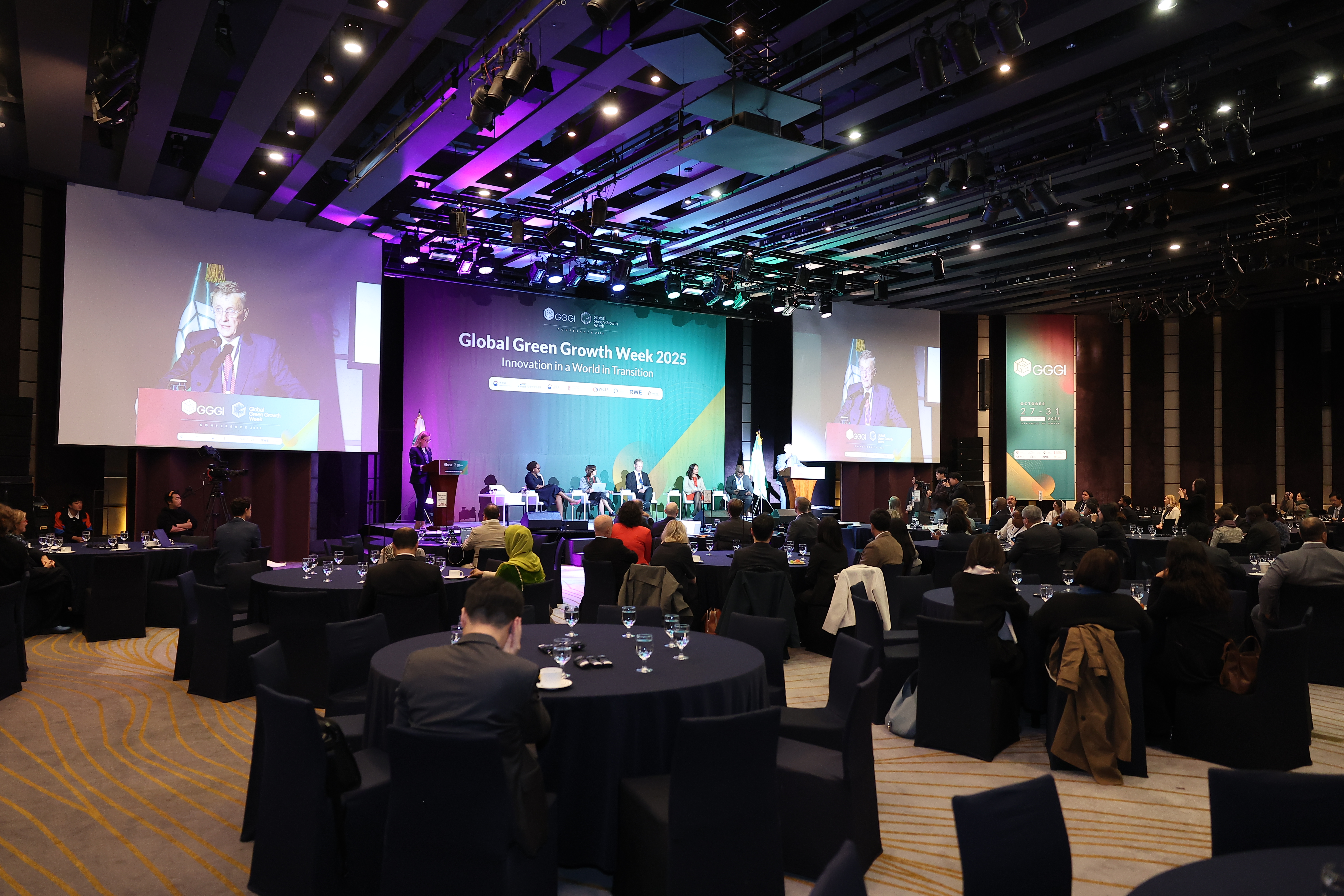
GGGWeek 2025
Keynote Insights: Pakistan and Sri Lanka Lead the Way
The session’s keynote speeches set a powerful tone. Her Excellency Dr. Shezra Mansab Ali Khara, Pakistan’s Minister of State for Climate Change, described how Article 6 and carbon markets represent hope and opportunity for developing countries. Pakistan’s bold commitment to reduce emissions by 50% by 2035, and its launch of a National Carbon Markets Policy, signal a decisive shift from exploration to implementation. H.E. Dr. Khara highlighted the importance of integrity, transparency, and partnerships—calling for international support to bridge gaps in capacity and finance. Overall, H.E. Dr Shezra Mansab Ali Khara closed her remarks by reminding the audience that “carbon markets—if designed with integrity and fairness—can serve as a bridge between climate ambition and sustainable development, between policy vision and real-world impact.”
Sri Lanka’s Secretary of Environment, Kamal Rohitha Uduwawala, echoed these themes. He spoke of Sri Lanka’s steady progress in building institutional readiness, supported by GGGI and the CTF. For Sri Lanka, Article 6 is not just a trading mechanism, but a strategic enabler for collaborative climate action. Uduwawala stressed that “countries must go beyond signing agreements; they must build a national infrastructure of trust—legal, technical, and institutional”.
Panel Discussion: Bringing Host Countries and Buyer Countries on One Stage
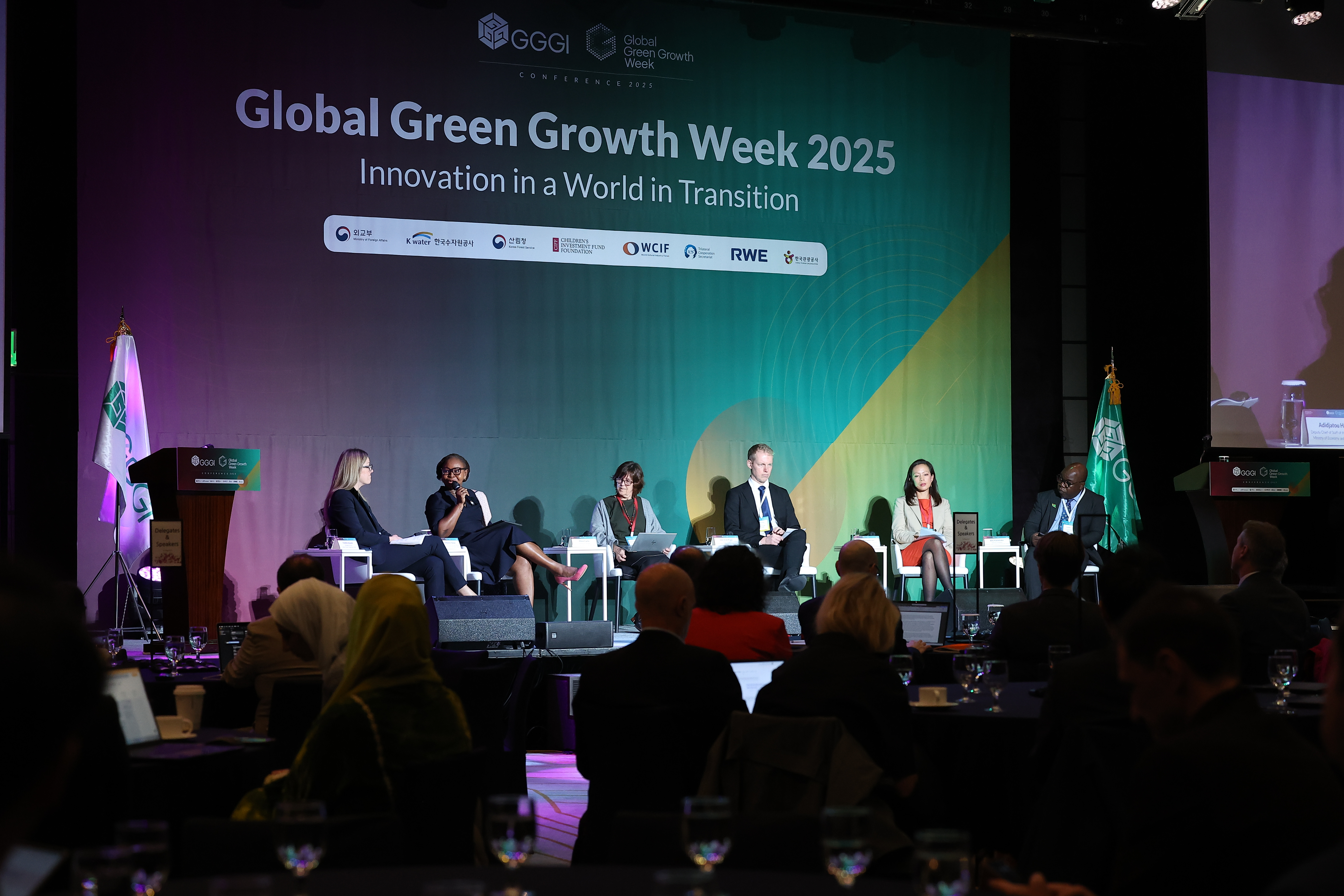
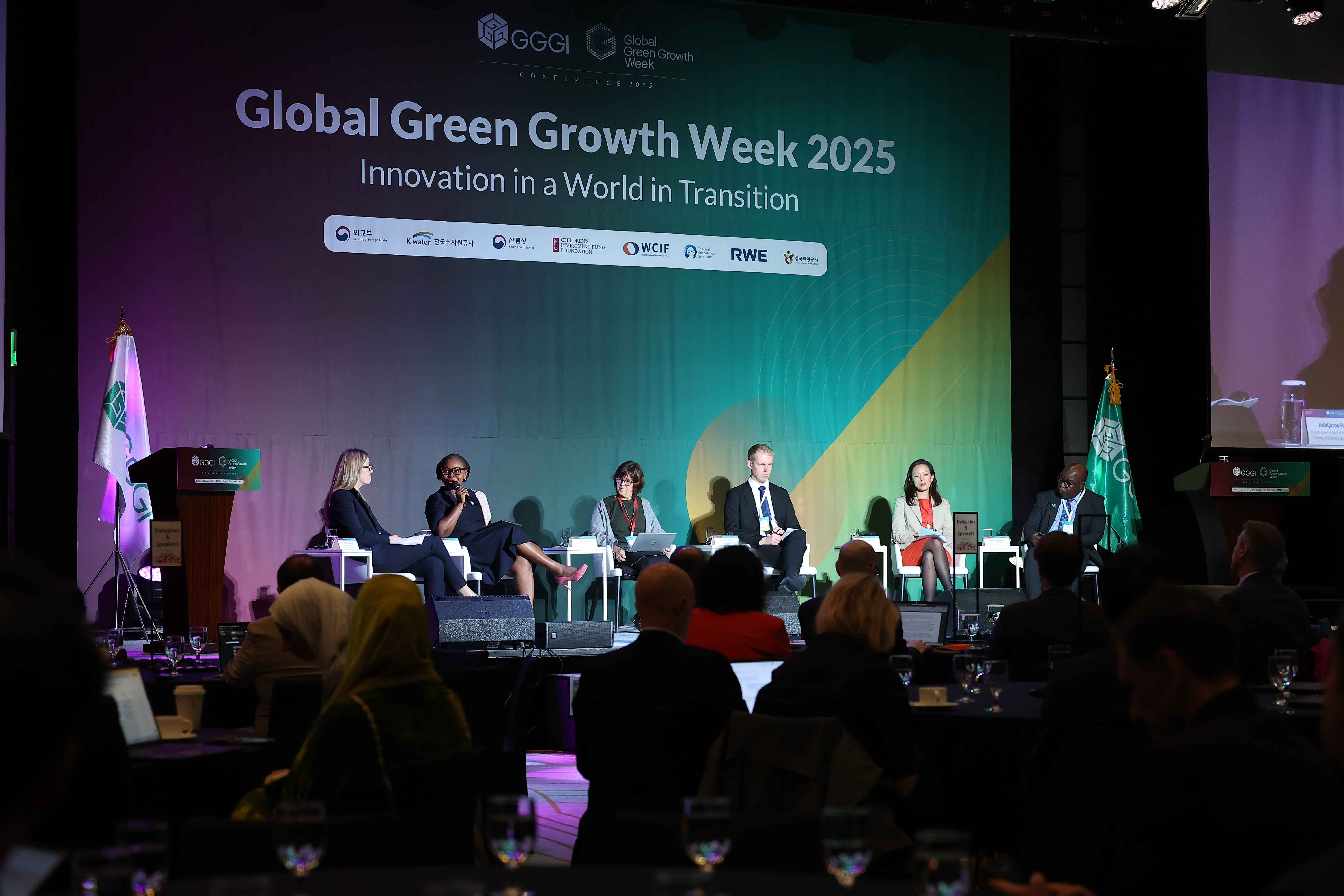
The panel discussion, moderated by Fenella Aouane, Head of Carbon Finance (GGGI), brought out the practical experiences and lessons learned from a range of countries participating under the Carbon Transaction Facility, either a donor such as New Zealand, Norway, and Sweden, or as a Host Country such as Benin, and Zambia.
Alison Carlin from New Zealand Ministry of Foreign Affairs and Trade emphasized the importance of readiness-to-transaction pathways, noting that they are looking forward "structured pipelines give capacity-building a destination, with co-benefits across health, clean air, jobs, nature-based solutions, and technology transfer—including potential agriculture applications”.
Sandra Linstrom, from the Swedish Energy Agency shared that high-integrity cooperation and strong institutional capacity are essential for successful partnerships. She recalled that “we [Sweden] prioritize high-integrity cooperation supported by strong national systems and procedures—projects must contribute meaningfully to ambition-raising and host-country priorities.”
Adjijatou Hassan, from Benin’s Ministry of Economy and Finances described a dual-governance model for carbon projects, aligning environmental integrity with national finance priorities. She added that “we [Benin] are developing an investment-ready pipeline and complementary green finance architecture, including a green bond framework.”
John-Erik Prydz, from the Norwegian Ministry of Climate and Environment, discussed policy-based approaches, such as generation-based incentives. He stated that “policy-based approaches are high-risk, high-reward—but they can drive the transformational scale we need”. Norway views this approach as keyway to drive transformational change. Norway emphasized its approach to listen to host countries and support their chosen paths to green growth.
Billy Katontoka, from Zambia’s Ministry of Green Economy and Environment, credited SPAR6C and the CTF with helping move from conceptual to practical readiness. Zambia’s focus is on integrity before liquidity, building trust, and aligning every trade with national priorities. Billy Katontoka concluded by affirming that “Integrity will be the true currency of Article 6.”
GGGWeek 2025
Milestones and Looking Forward in 2026
Panelists forecasted key milestones for the coming year:
Benin: Sign a Mitigation Outcomes Purchase Agreement; establish a national carbon registry and activate a green financing framework; and develop a fully operational climate finance platform.
New Zealand: Expect to see increased confidence by host countries in engaging in Article 6 through the CTF as well as high-quality mitigation activities entering a structured pipeline with strong co-benefits and sustainable development outcomes.
Norway: Expand the Carbon Fund NACA activities under the CTF, with Benin and Zambia as part of the program pipeline.
Sweden: Expand partnerships with host countries demonstrating strong political will and institutional capacity.
Zambia: To develop a fully operational carbon registry and developer sandbox; launch a green corridor linking agriculture and energy sectors; and move from readiness to accomplishment, with real impact on the ground.
Overall, the consensus was clear: the next phase is about implementation, trust-building, and demonstrating tangible outcomes. Countries are moving from designing frameworks to preparing transactions, with systems and integrity as the foundation for market access and investor confidence.
GGGWeek 2025
Conclusion: Charting Credible Pathways to 2030
GGGI’s session at GGGWeek 2025 showcased how the CTF and SPAR6C are helping countries turn readiness into results. By sharing experiences, confronting challenges, and charting credible pathways, the session embodied the collaborative spirit needed to scale climate action and green growth. As countries move forward, the focus remains on integrity, capacity, and country-led solutions—laying the groundwork for a resilient, low-carbon future.
Photos @ 2025 Global Green Growth Institute