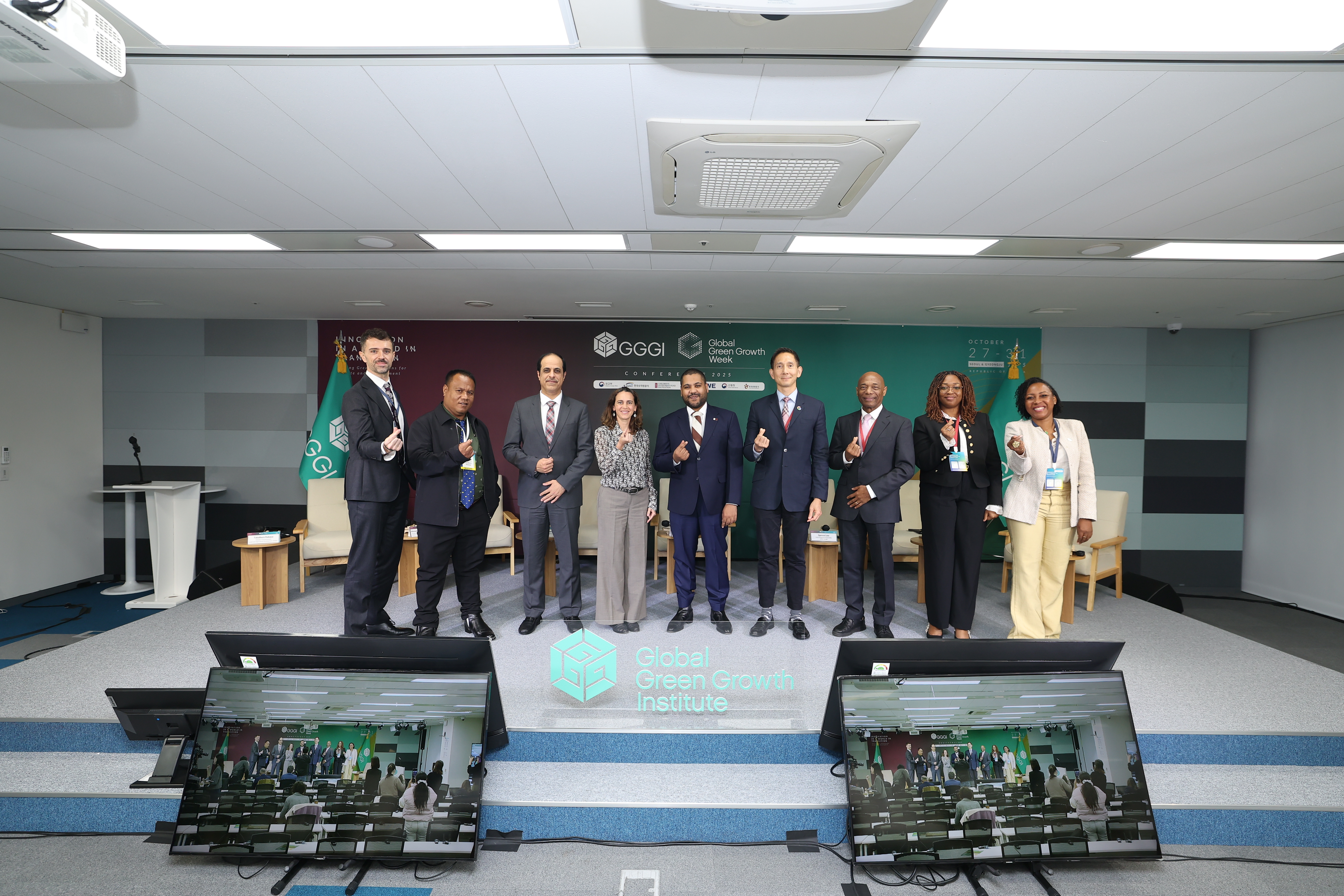


Inspired by the session “Adaptation Planning and the Scaling of Adaptation Finance (including the launch of the SAFA Facility)” at GGGWeek 2025
Seoul, 28 October — GGGI Headquarters, Global Green Growth Week
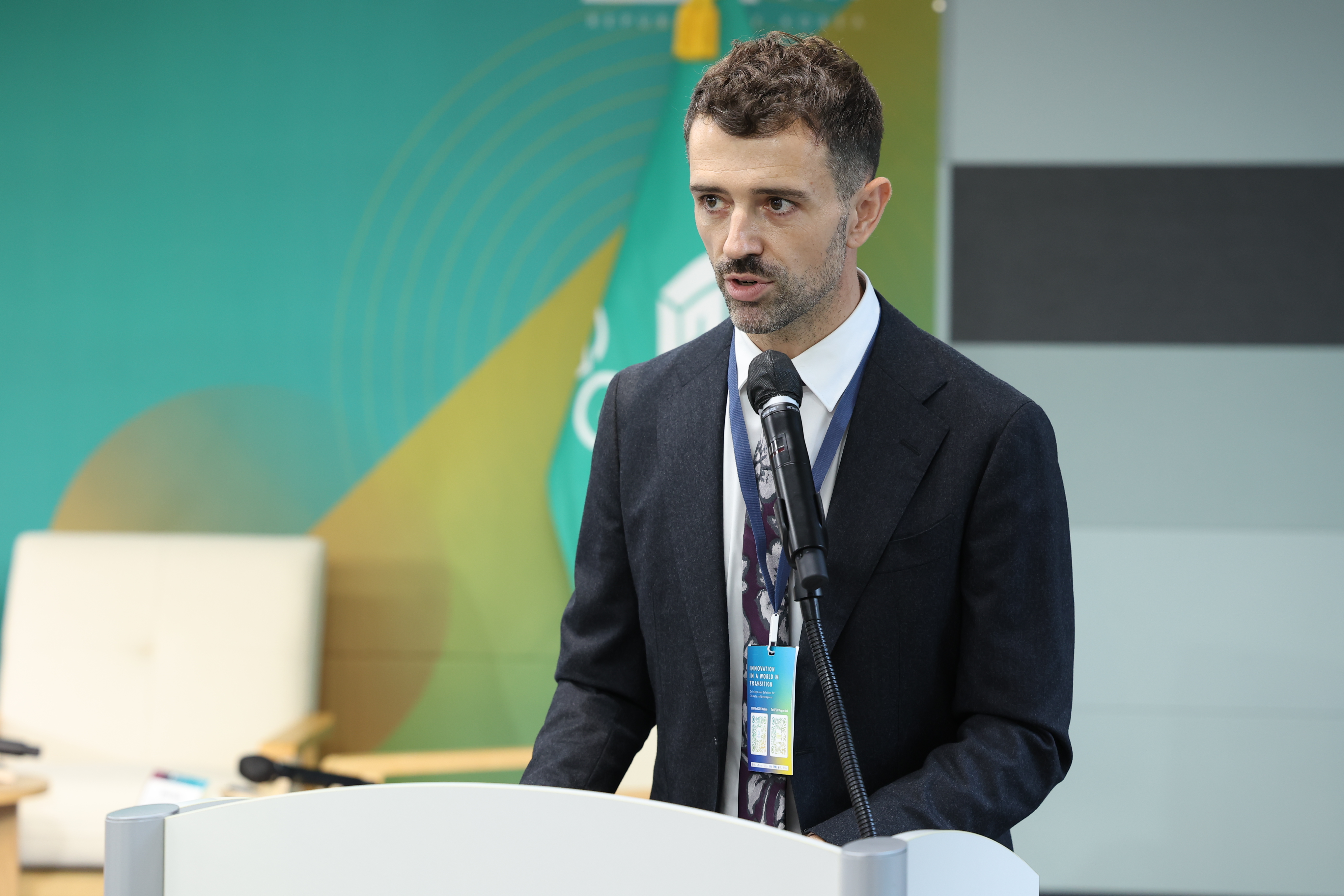
Countries have made meaningful advances in climate risk assessment and in preparing National Adaptation Plans (NAPs), Nationally Determined Contributions (NDCs), and long-term strategies (LT-LEDS). Yet the gap between adaptation planning and large-scale financing and implementation remains significant. This was the challenge outlined at the start of the session by Nicholas Taylor, Adaptation and Resilience Lead at the Global Green Growth Institute (GGGI), who noted that progress is often hindered less by a shortage of ideas than by insufficient coordination across planning, data sources, project preparation, and financing sources.
Taylor introduced the Scaling and Accelerating Finance for Adaptation Facility—SAFA—as a response to this structural gap. SAFA is designed not as an additional funding source, but as an intermediary platform that strengthens the link between national adaptation priorities , bankable project portfolios and green financing mechanisms. Together with its partner the Adaptation Fund, it seeks to align information, capacity, and financing, ensuring that countries can move from conceptual strategies to implementable, investable adaptation pipelines.
GGGWeek 2025
Framing Adaptation Finance: Differentiation, Scale, and System Logic
The conceptual framing for the discussion was outlined by Dr. Lisa Sachs, Director of the Columbia Center on Sustainable Investment (CCSI). She underscored that adaptation encompasses a wide spectrum of interventions—coastal protection, drainage systems, biodiversity restoration, climate-smart agriculture, public health measures, and more. Each carries distinct financial, social, and ecological characteristics. Treating adaptation as a single category, she explained, leads to mismatched instruments and delays in execution.
Dr. Sachs drew attention to the dual financing challenge. While public finance remains indispensable, particularly for vulnerable communities and public goods, many climate-exposed countries are already constrained by rising debt burdens and limited fiscal space. Mobilizing private capital, therefore, requires credible data, clear risk information, and project structures that meet investment requirements—elements often missing due to fragmented datasets and incomplete preparation processes. She emphasised the need for systems thinking: fiscal, environmental, and social dimensions must reinforce one another rather than function in parallel.
Her framing provided the lens through which countries later described their own adaptation realities.
Country Perspectives: Climate Realities and Institutional Responses
Kiribati’s Frontline Experience
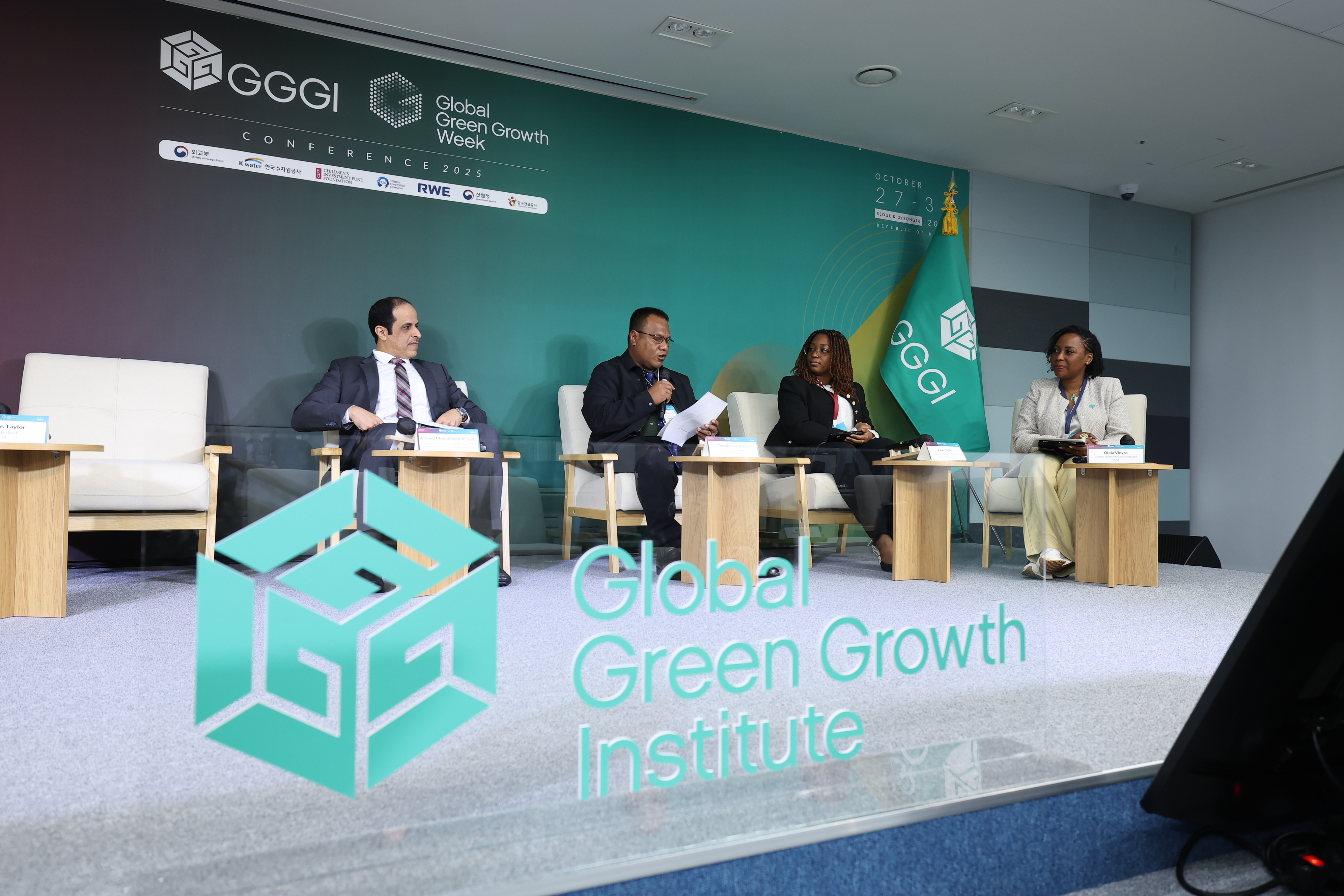
The experience of countries living with immediate climate impacts was brought forward by H.E Tokaibure Rabaua, Minister of Environment, Lands and Agricultural Development of Kiribati. He described how rising seas, saltwater intrusion, and coastal erosion already threaten homes, freshwater sources, and essential infrastructure across Kiribati’s 33 atolls. Communities are responding with mangrove restoration, village-level climate-smart agriculture, desalination technologies, and other locally grounded measures, often supported by international partners.
Kiribati has also taken institutional steps toward long-term resilience. The Kiribati Environment Fund, established under the 2021 Environment Act and supported by the Governments of New Zealand and the United Kingdom with implementation by GGGI, has completed its first phase and is now transitioning toward strengthened governance and national ownership. Plans for Phase 2 include bolstering sub-national delivery channels and advancing adaptation in marine and ocean sectors.
GGGWeek 2025
Qatar’s Long-Horizon Adaptation Planning
A perspective from the Gulf region was provided by H.E. Ahmed Mohammed Al-Sada, Assistant Undersecretary for Climate Change Affairs at Qatar’s Ministry of Environment and Climate Change. He described how Qatar’s forthcoming NAP is aligned with the Qatar National Vision 2030 and focuses on sectoral priorities such as water security, infrastructure resilience, biodiversity protection, public health, and food systems. A national adaptation data centre has been established to consolidate climate-relevant information, and a unified monitoring, evaluation, and learning framework now supports consistency between the NAP and NDC.
H.E. Al-Sada underscored the importance of involving government agencies, academia, private-sector stakeholders, and civil society early in the planning process. Ensuring broad ownership, he noted, is key to effective implementation.
Côte d’Ivoire’s Data Governance Foundations
Shifting the conversation to project preparation innovations needed to support adaptation. A view from West Africa was offered by Karen Diallo, Director for Digital Transformation at Côte d’Ivoire’s Ministry of Digital Transition and Digitalization. Ms. Diallo highlighted the importance of data governance as a precondition for mobilizing adaptation finance. She explained that relevant datasets exist across sectors—meteorology, agriculture, environment, finance—yet remain fragmented, inconsistent, or inaccessible. Limited trust among institutions further restricts data-sharing.
To address these constraints Côte d’Ivoire is developing a national interoperability platform supported by UNESCO, ECOWAS, GGGI, and the World Bank, as part of a broader data governance strategy. Diallo noted that transparent digital systems, integrated open data frameworks, and resilient digital public infrastructure are essential to support adaptation finance and align with the country’s “zero paper” vision under its national development strategy to 2035.
Together, these perspectives made clear that adaptation is both technical and institutional: it requires strong national frameworks, but also the capacity to connect data, policy, and financial instruments.
Designing SAFA: Linking Planning, Data, and Investment
Returning to the central theme of the session, Nicholas Taylor elaborated upon why SAFA was created and how it functions, in particular as a response to the challenges highlighted by some of the country members. Despite the maturity of adaptation planning worldwide, private investment remains limited. In 2022, approximately 92 percent of adaptation finance came from public sources. Taylor clarified that this reflects not a lack of interest from investors but a shortage of well-prepared, data-supported, and financially credible project pipelines.
SAFA addresses this through two integrated windows. The SAFA-R window supports project preparation, using digital tools, monitoring-reporting-verification (MRV) systems, and AI-enabled analytics, while drawing on methodologies that have proven successful in projects funded by the Adaptation Fund. The SAFA-F window aligns national financing frameworks with suitable instruments, including budget-tagging, green bonds, guarantees, and credit enhancements that help de-risk adaptation investments.
A message delivered on behalf of Mikko Ollikainen, Head of the Adaptation Fund, reinforced the facility’s relevance as well as the Fund’s partnership in the initiative. The Fund’s pipeline now exceeds USD 1 billion, yet many high-potential proposals face delays due to data gaps, modeling limitations, and high preparation costs. SAFA was recognised as a mechanism capable of strengthening institutional readiness and enhancing direct access modalities.
Taylor’s explanation linked earlier country-level challenges with a practical solution that responds to the real constraints of project design, preparation, and financing.
Solutions for Scaling Resilience: Finance, Technology, and Local Inclusion
Resilient Prosperity and Systems Coherence
Expanding on the financial architecture for adaptation, Dr. Hyginus Leon, Executive Director of the Development Bank for Resilient Prosperity, explored how countries can better align financial systems with climate resilience. He described “resilient prosperity” as a development approach that recognises natural capital as productive capital, requiring integration into national accounts and financial instruments. This can include resilience-linked debt, disaster-contingent financing, and blended finance structures that reduce vulnerability while stimulating investment.
Dr. Leon noted that credible verification systems, transparent digital settlement platforms, risk-transfer instruments such as parametric insurance, and the support of national development banks are critical for scaling adaptation investment in ways that match national priorities.
Digital Tools and AI-Enabled Climate Intelligence
The role of technology was highlighted by Spencer Low, Head of Regional Sustainability for Asia-Pacific at Google, who demonstrated how generative AI can support adaptation planning. He introduced tools such as Google’s WeatherNext model for improved medium-range weather forecasting, hydrological systems that estimate water-flow patterns in ungauged basins, and FireSat, a satellite platform for early wildfire detection.
Low explained that these tools enhance governments’ ability to quantify climate hazards, design more effective interventions, and strengthen preparedness. AI systems also help simplify complex climate data into actionable insights that public officials can apply without advanced modeling expertise.
Matching Finance Instruments to Community Realities
From Latin America and the Caribbean, Liliana Stern, Regional Specialist for Central America at GGGI, reflected on the importance of aligning financial solutions with the needs of vulnerable households, small producers, and microenterprises. She explained that many of these groups are excluded from traditional credit markets, making it vital to deploy tailored mechanisms such as parametric insurance, guarantee schemes, and targeted de-risking instruments. She noted that SAFA offers an opportunity to pilot such mechanisms and scale those that prove effective. These insights illustrated that scaling adaptation finance requires a mix of coherent financial systems, digital innovations, and locally grounded inclusion strategies.
Closing Reflections: Priorities for a Global Adaptation Architecture
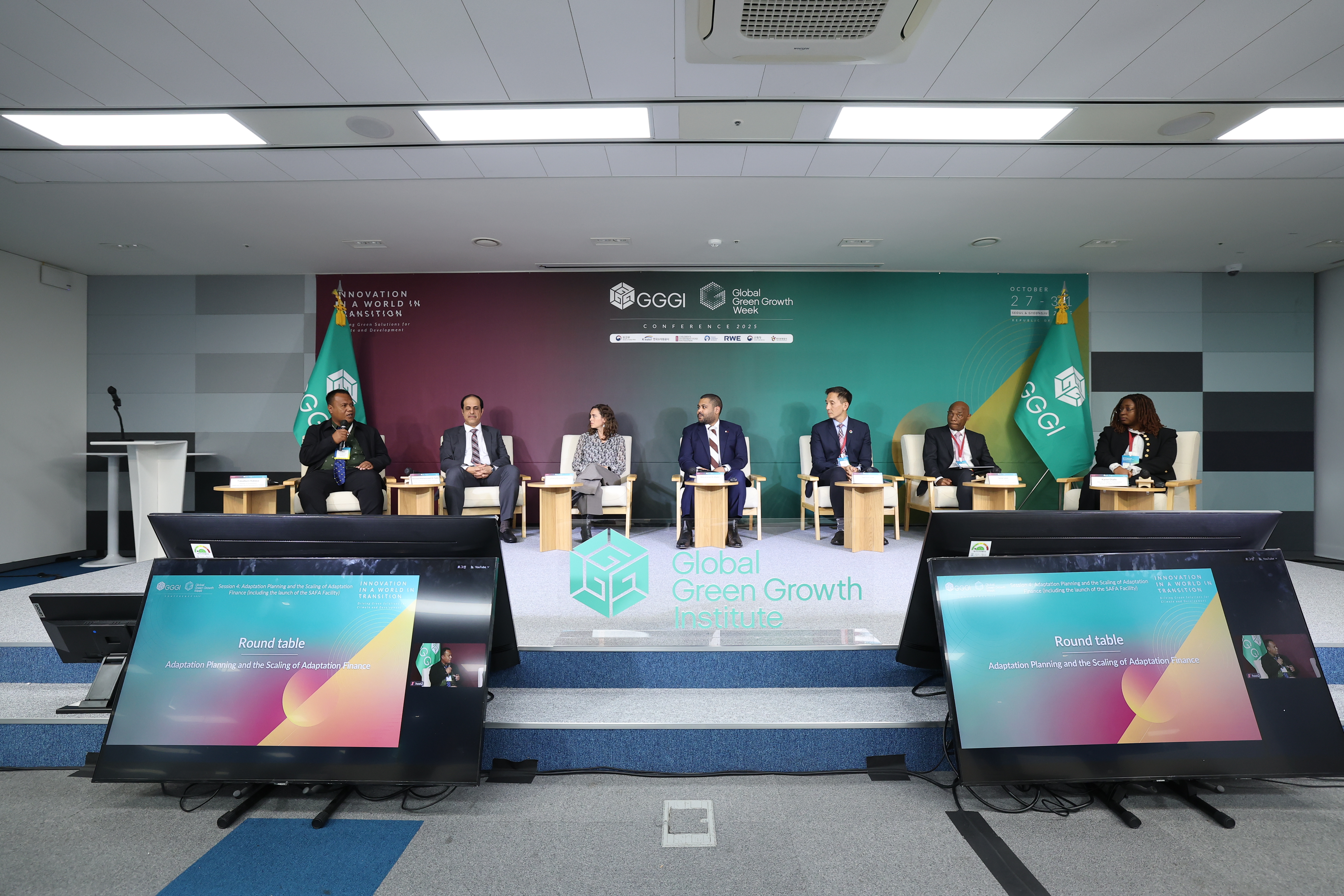
In the closing discussion, speakers emphasised priorities that will shape SAFA’s contribution to global adaptation efforts. Karen Diallo stressed that financing mechanisms must be designed to become increasingly self-sustaining rather than dependent on external debt. Dr. Leon highlighted the importance of moving from perceived risk to actual risk through reliable data and verification. Spencer Low reiterated that predictive analytics can significantly reduce losses and strengthen planning. H.E. Ahmed Mohammed Al-Sada called for flexible support tailored to national contexts, and Liliana Stern emphasised that inclusive financial solutions must reach the most climate-exposed groups. Tokaibure Rabaua reminded the room that capacity must be continuously strengthened so communities can protect and build on adaptation gains.
These reflections reinforced the session’s central message: adaptation succeeds when data, finance, institutional systems, and local communities are connected through coherent strategies.
GGGWeek 2025
Conclusion: From Plans to Portfolios
Across the discussion, one message remained consistent: countries are not short on plans, commitments, or climate strategies. What is often missing are the mechanisms that convert these into robust, investable portfolios capable of attracting the scale of finance needed to protect development gains and strengthen resilience.
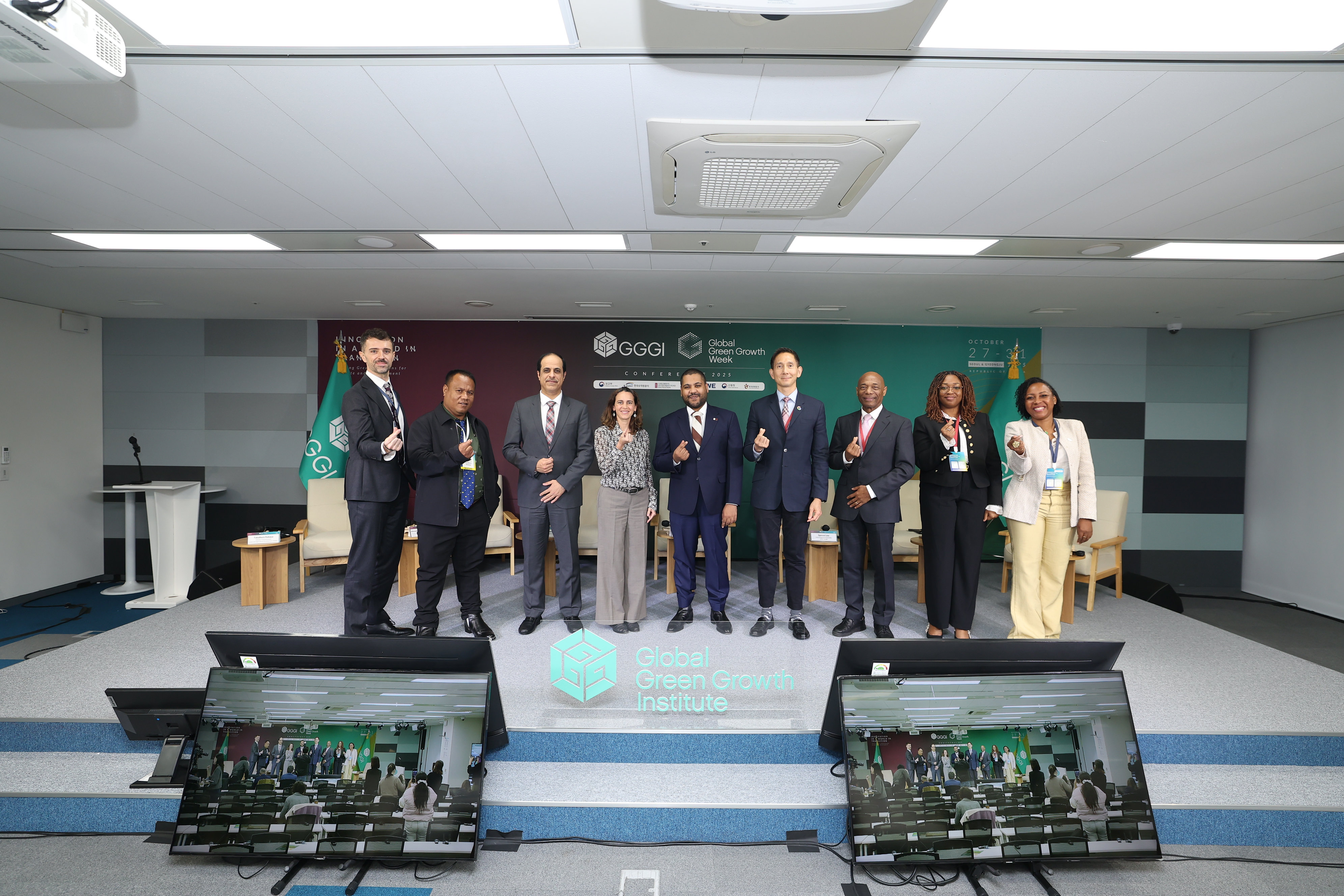
SAFA’s value lies precisely in this space. By linking national priorities, digital tools, proven methodologies, inclusive financing approaches, and institutional strengthening, it offers a structured pathway to move from project concepts to portfolio-level implementation. The session concluded with a shared recognition that adaptation is a long-term process requiring sustained coordination across systems—and that SAFA represents an important step toward operationalising adaptation at the pace and scale the world now requires.
GGGWeek 2025
Photos @ 2025 Global Green Growth Institute
Watch the session recording: