This the virtual collaboration space for the Implementing Sustainable Low and Non-Chemical Development in Small Island States (ISLANDS) Programme. ISLANDS supports thirty-three Small Island Developing States (SIDS) in the Caribbean, Pacific and Indian Ocean to pursue safe chemical development pathways.

Upcoming Events

ISLANDS: Implementing Sustainable Low and Non-Chemical Development in Small Island States

Pinned post
Green Growth Knowledge Partnership(GGKP)

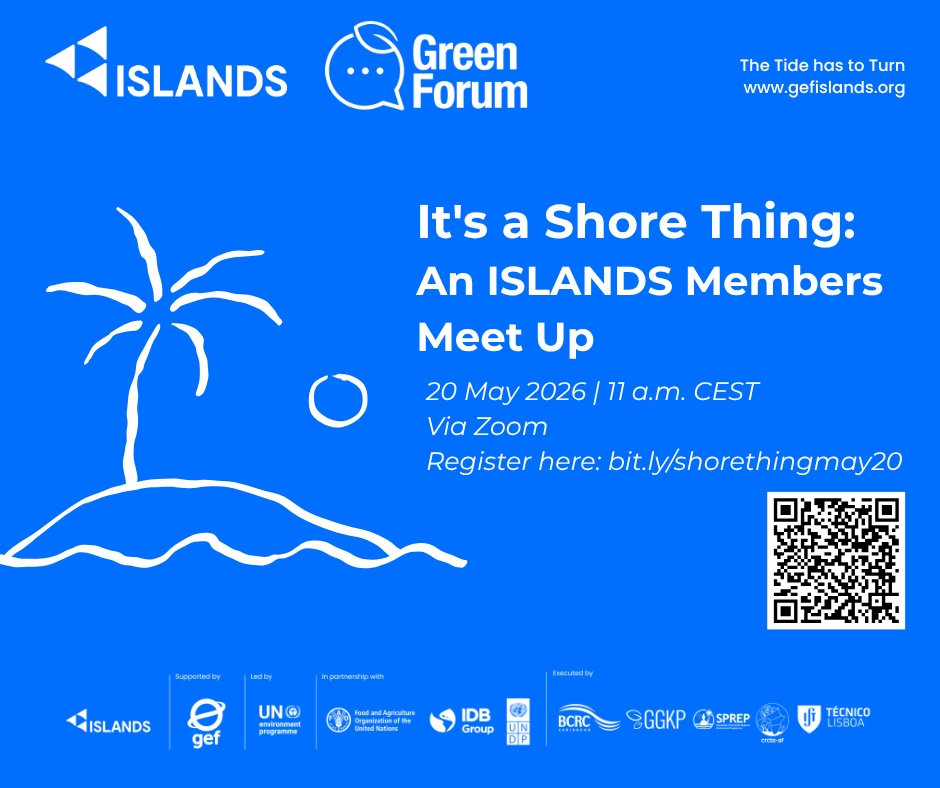
You're invited to the first community gathering of ISLANDS this 2026 --It’s A Shore Thing: An ISLANDS Community Members Meet Up  Join us for a virtual coffee and tea on Wednesday, 20 May, at 11 a.m. Read More

A post is already pinned to this stream. Would you like to replace it?

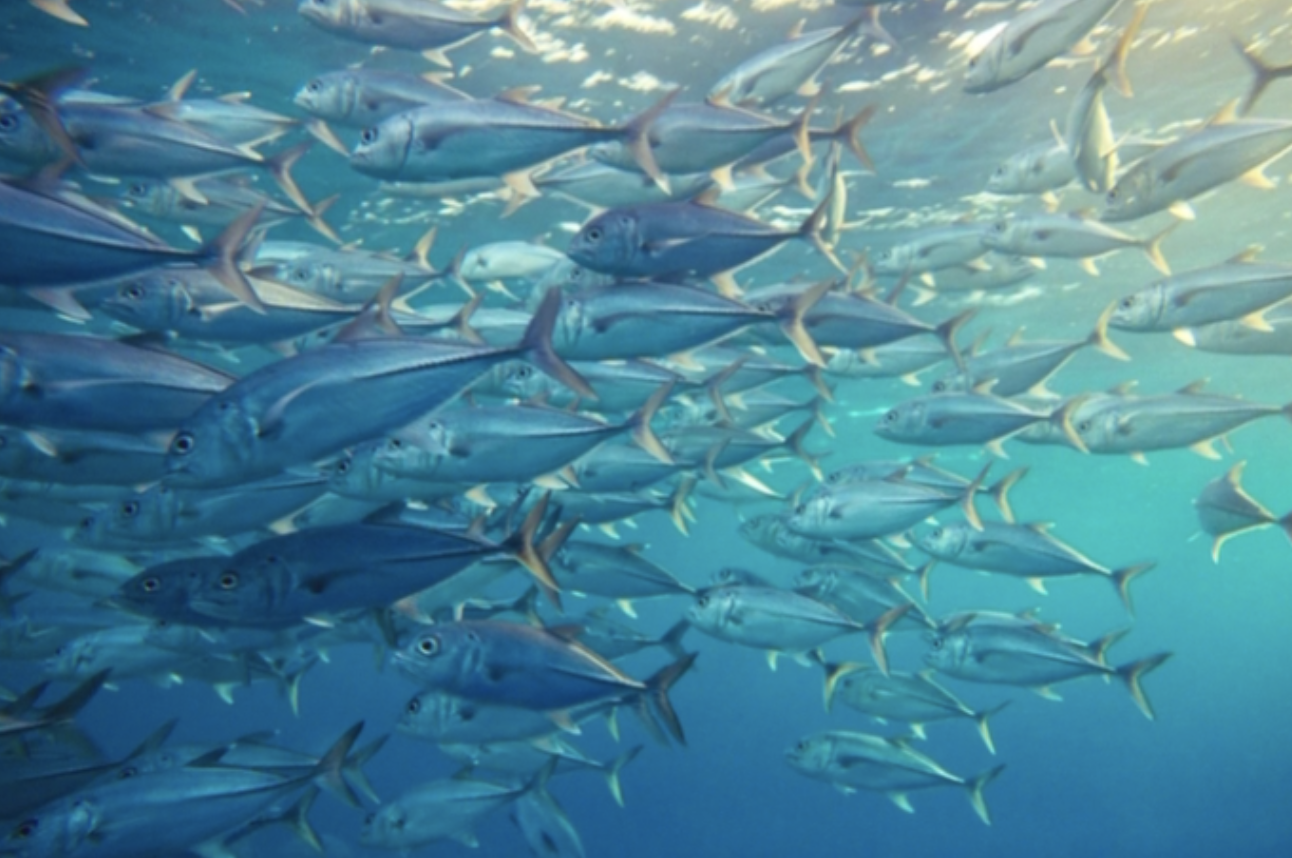
Regional dialogue focuses on Human rights, gender and social inclusion in Pacific Tuna fisheries

About 27,000 Pacific Islanders are employed in the tuna fisheries sector.

This very important industry however, is unfortunately highly gender-segregated - with the harvest sector being dominated by men while women are predominately employed as line workers in the processing sector - and known for the poor working conditions, challenges faced by migrant fishers, ambiguous recruitment processes and gender-blind workplaces. Moreover, the fishing industry in general is a major cause of plastic released into the ocean (lost nets and fishing gears).

At ISLANDS, we are adopting a gender transformative approach aiming to change the gender dynamics in the regions we work in. Hence, I am happy to see that a regional dialogue has started in Fiji, to prepare the tuna fisheries sector to better address the human rights, gender and social inclusion issues in the Pacific region by using a human rights-based approach. Indeed, it is something that I think it should be done for other sectors too.

Read More

https://pasifika.news/2023/02/regional-dialogue-focuses-on-human-rights-gender-and-social-inclusion-...

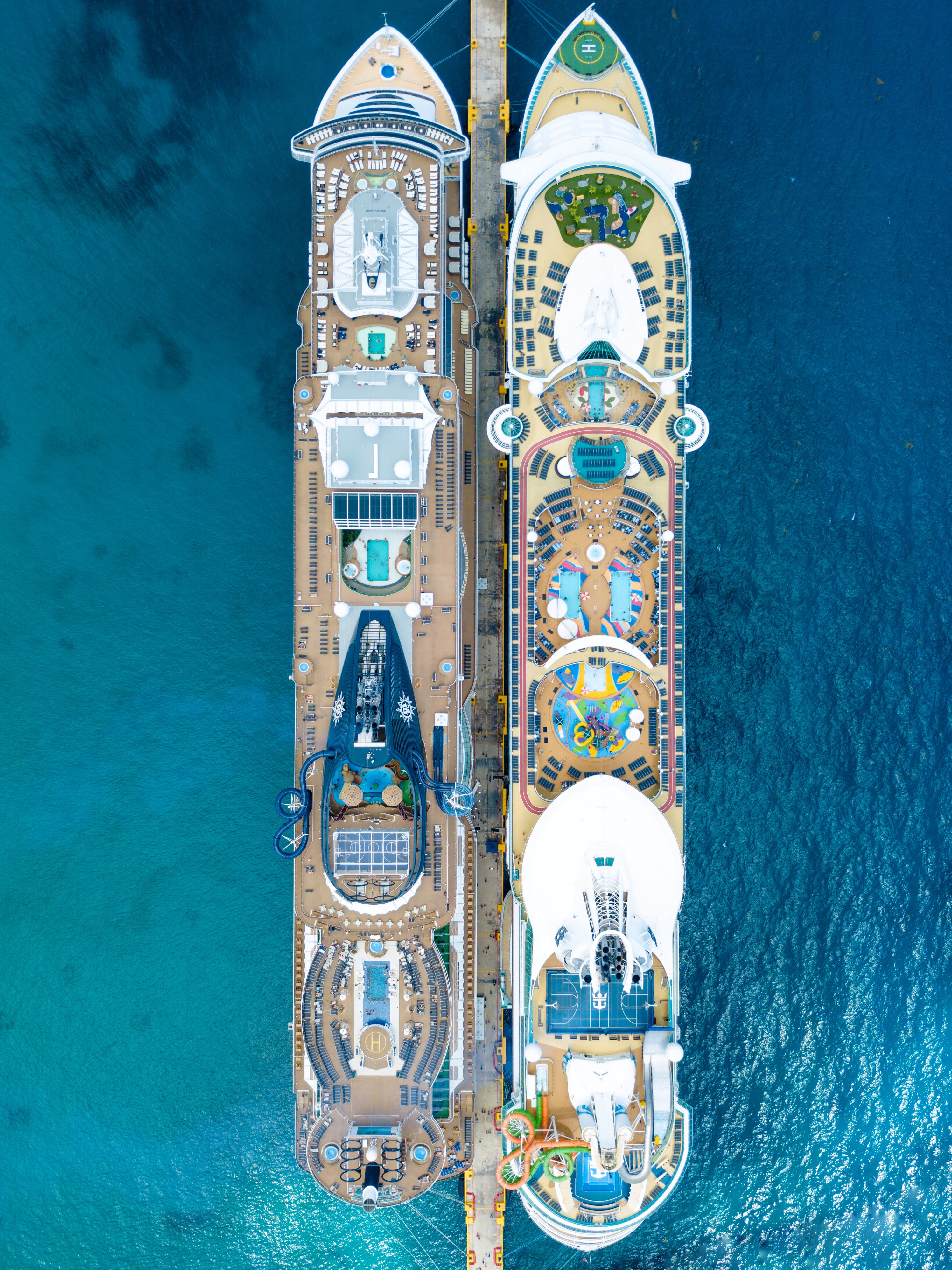
There is no doubt that the environmental impacts of cruise ships have been under fierce scrutiny, in particular relation to the pollution and wastes they create. While a long-term solution to permanently transition the cruise industry to cleaner energy and stricter regulation is called for, this article introduces a changing trend in cruise lines' waste and water management.

Waste on board - including food waste, bottles, plastics, aluminium, and cardboard - are treated within the ships, then sent to partner recycling facilities. Grey water are purified before they're released back into the ocean.

While a significant progress, questions still remain; when the food wastes are processed and incinerated, what are the emissions implications? How clean and non-hazardous is the purified water at the point of its release? Most importantly, is the industry willing to address its extensive fuel burning, and in turn, carbon emission and energy efficiency?

Read More

https://www.insider.com/inside-the-worlds-largest-cruise-ships-high-tech-recycling-system-2023-1#cub...

Seychelles is becoming overwhelmed by marine plastic - but where does the debris come from?

More than 1,000km southwest of Mahé, the main inhabited island in Seychelles, lies a ring of coral islands called the Aldabra Atoll. The islands are a Unesco world heritage site and support a huge diversity of marine species including manta rays, tiger sharks and green turtles. Due to its remoteness, Aldabra has been protected by pollution but now things are changing as more and more debris gets “beached” on its coastline.

As it often happens in SIDS, none of the plastic that washes up on Aldabra comes from the islands themselves. Rather, to reach these remote beaches debris coming from industrialised countries must float in the ocean for months.

Plastics and other pollutants are rarely produced in SIDS, rather they arrive there through imports or the ocean. Once on site, they are very difficult and costly to manage and put in danger ecosystems and livelihoods. That's why at ISLANDS we are actively supporting the reduction and safe management of waste in small island states around the world.

Read More

https://www.downtoearth.org.in/blog/africa/seychelles-is-becoming-overwhelmed-by-marine-plastic-we-n...

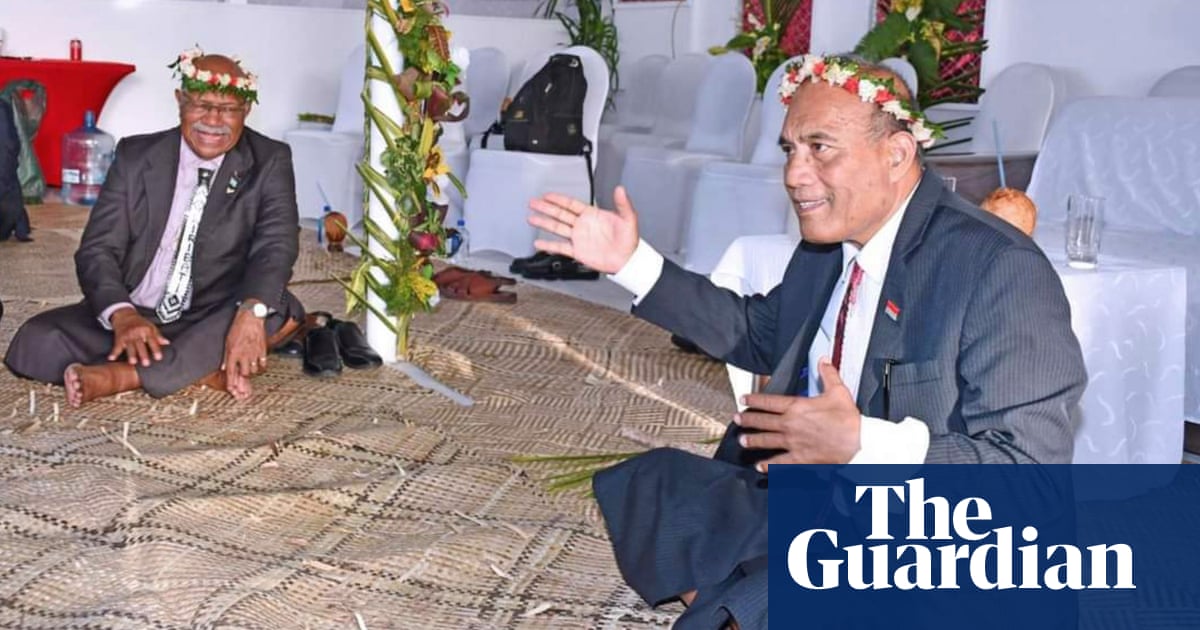
Kiribati will return to Pacific Islands Forum ending a dramatic rupture in the region’s peak diplomatic body. This was confirmed by Fiji’s prime minister after he met with Kiribati president Taneti Maamau.

Pacific SIDS may be small, but together they govern an immense and rich oceanic territory. United, the Pacific can go a long way in international governance and this is even more important in the context of rising sea levels, climate change, pollution and struggle over precious underwater resources.

Good news for the Pacific!

Read More

https://www.theguardian.com/world/2023/jan/30/kiribati-to-return-to-pacific-islands-forum-at-vital-m...

Do you want to be part of a global network of island changemakers? The Islands Innovation Ambassador Program aims to integrate and combine networking, sustainability, diversity, entertainment, and knowledge. The program forms an active network of engaged leaders with the purpose of positively… Read More

Islands Innovation

ISLANDS is assisting SIDS to move towards low chemical development pathways. Chemicals (and POPs specifically) are everywhere. PFAS, recently listed in the Stockholm Convention, has properties that make fabric coated with them water resistant. PFAS has recently been the subject of a class action suit relating to underwear in the USA: https://www.nytimes.com/2023/01/20/well/pfas-thinx-period-underwear.html

Read More

https://www.nytimes.com/2023/01/20/well/pfas-thinx-period-underwear.html

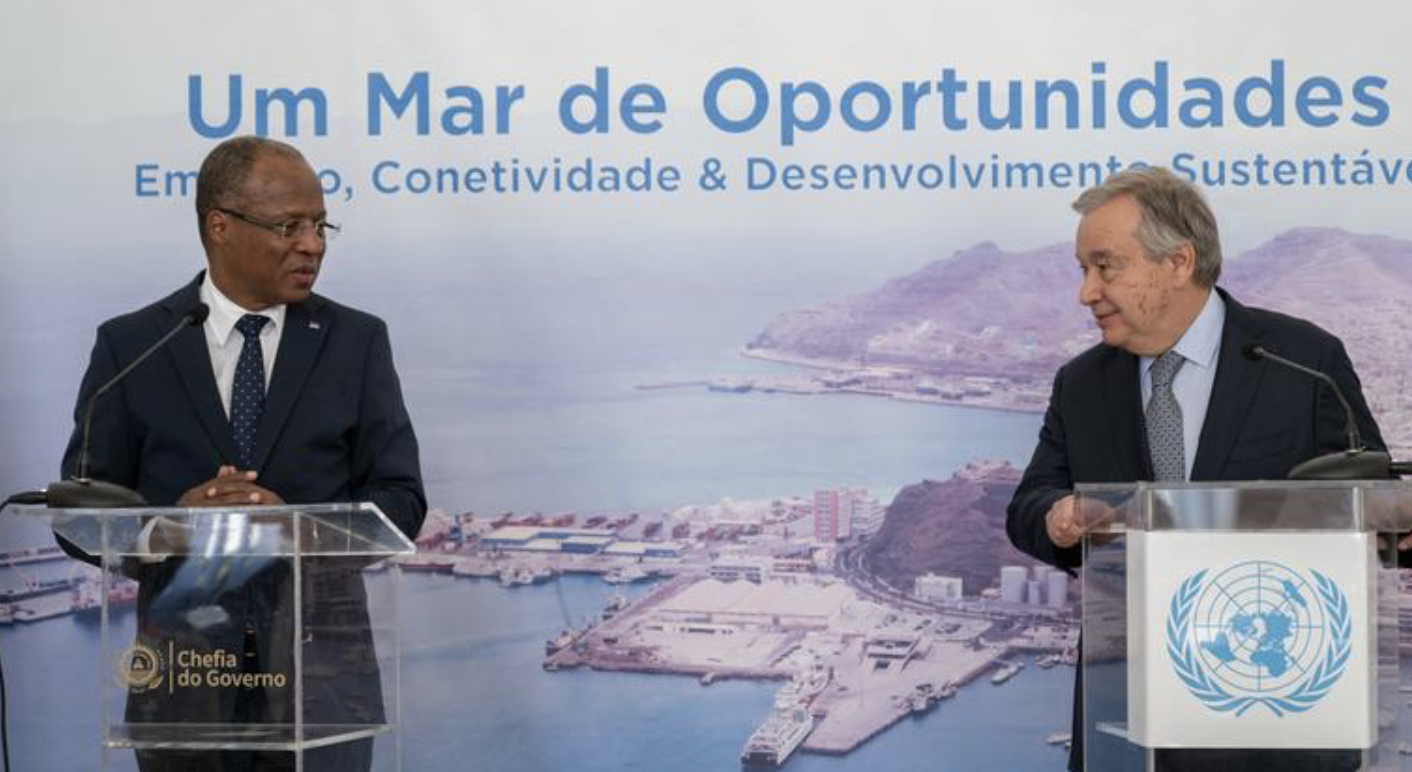
United Nations Secretary-General António Guterres has arrived in Cabo Verde for the Ocean Race Summit.

Guterres highlighted the risk that the SIDS-country is facing due to climate change, pollution and biodiversity loss - in particular droughts and loss of livelihoods.

He added that he was "profoundly frustrated by the fact that world leaders are not taking the necessary action and making the investments needed to face this life and death emergency."

Cabo Verde is one of the SIDS working under ISLANDS to manage waste and fight chemicals pollution. The activities of the ISLANDS Atlantic Ocean project will start soon and regular updates will be provided on this community.

Read More

https://news.un.org/en/story/2023/01/1132692

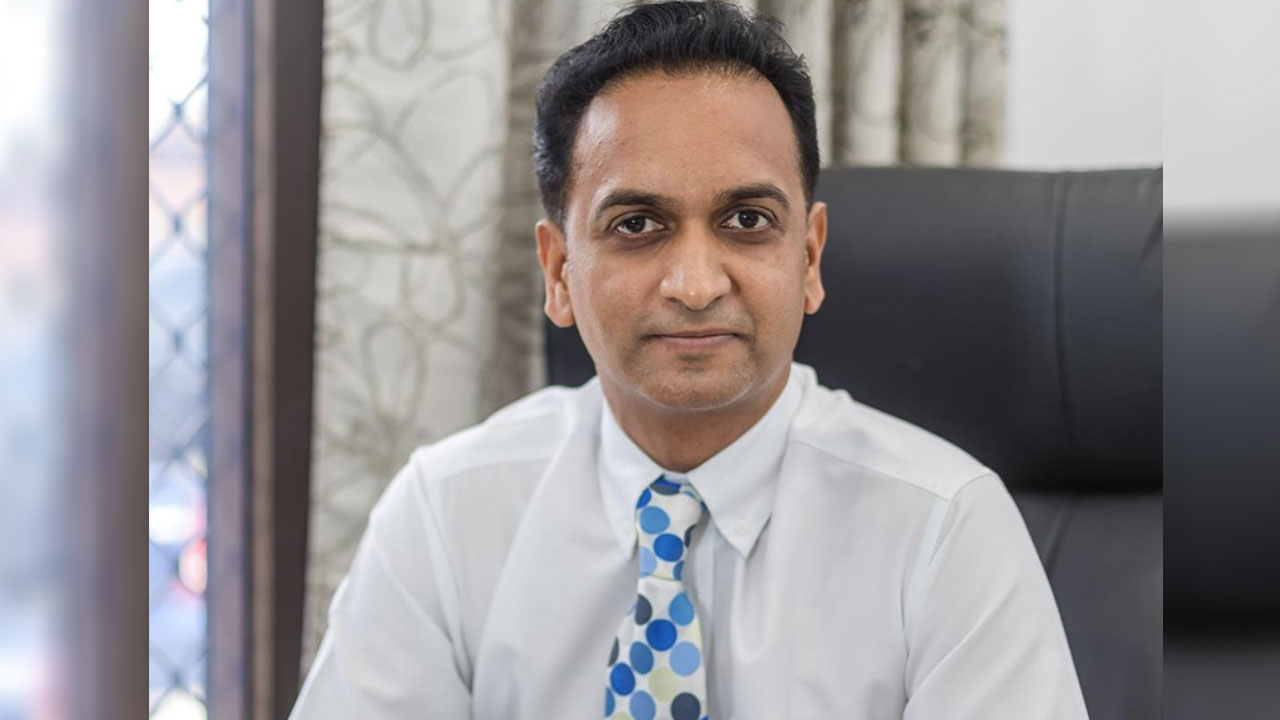
More news from the Pacific on the work of the Collection Pillars of Recycling, published on FBCnews.com in Fiji. Amitesh Deo, the founder and CEO of the Pacific Recycling Foundation, expands on the need for further support for those who collect recyclables from public places or dump sites, and the work being done with the government to transition the work of the Collection Pillars of Recycling into formal employment opportunities.
The ISLANDS Programme fully supports initiatives of this kind that bring opportunities and security to those who work and make their living in this sector, especially when there is an emphasis on the well-being of women and other marginalized groups.

Read More

https://www.fbcnews.com.fj/news/prf-acknowledges-pms-efforts-in-waste-management/

How can innovation and the digital economy make an impact in SIDS and SID-like territory?

What could be the benefits, in terms of waste and pollution, of diversifying the economy, moving away from the dependence of the tourism sector?

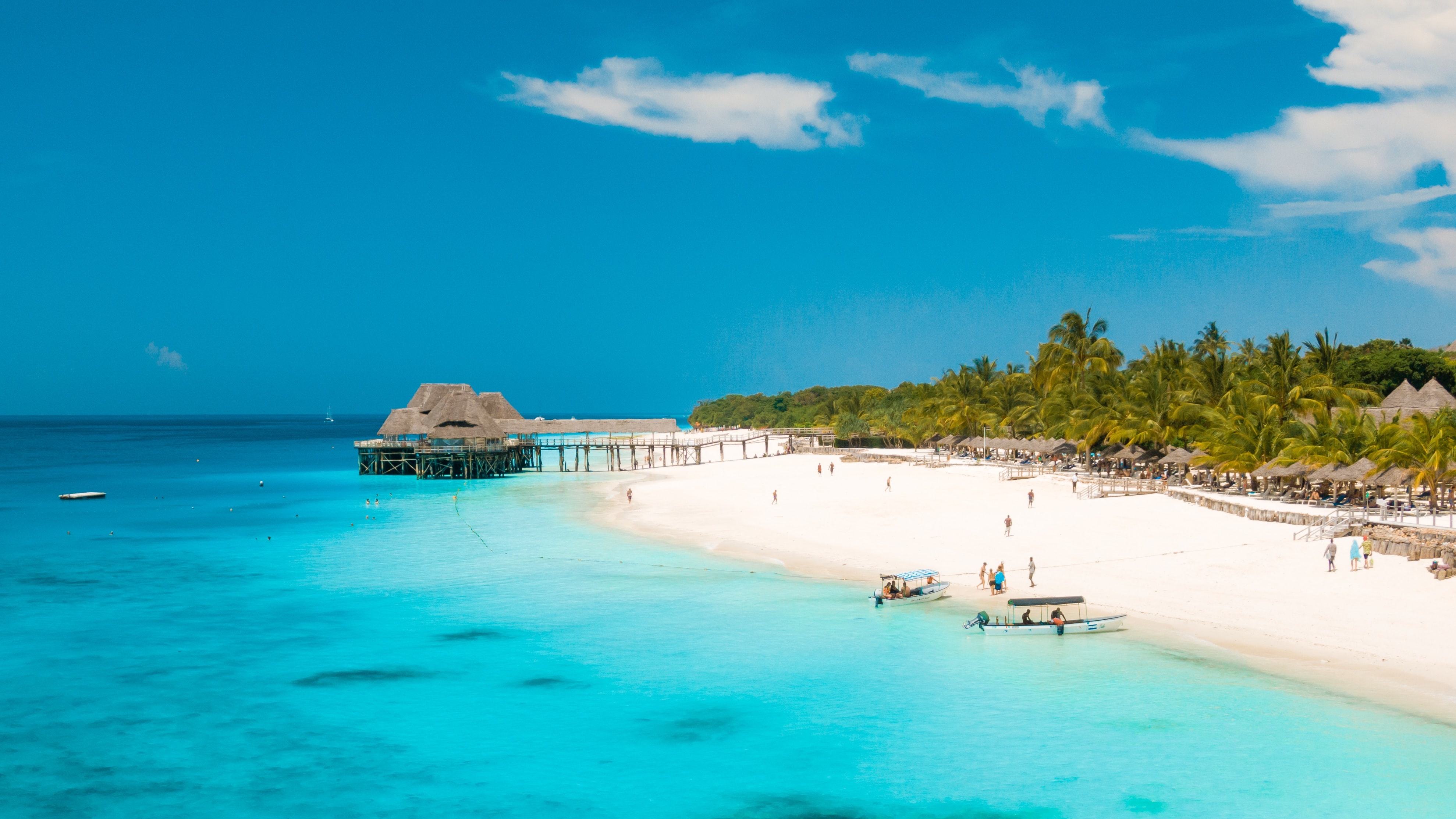
Zanzibar is launching Silicon Zanzibar, a programme that will offer incentives to boost local digital services and reduce the country’s dependence on the tourism sector.

Read the article to find out more!

Read More

https://www.fdiintelligence.com/content/feature/silicon-zanzibar-an-islands-bid-to-diversify-its-eco...

For those missed it, the Guardian UK has began focusing attention on PFAS, a persistent organic pollutant (POP) or "forever chemical." The latest article focuses on PFAS in freshwater fish: https://www.theguardian.com/environment/2023/jan/18/freshwater-fish-con…

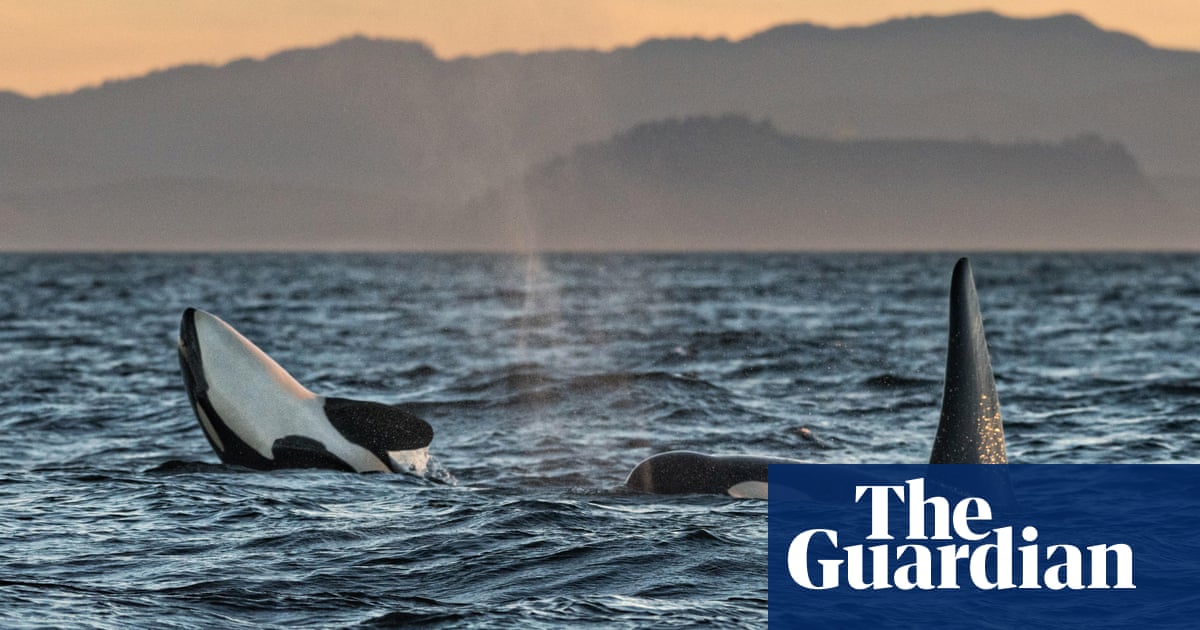
But a previous article also focused on PFAS in orcas tested in Canadian waters: https://www.theguardian.com/environment/2023/jan/14/endangered-orcas-fo…

In ISLANDS - we are focusing on reducing all POPs covered under the Stockholm Convention - many of these, like PFAS, people don't know much about. Over the next few years we will be sharing and learning together in ISLANDS about how to reduce PFAS and other POPs chemicals.

Read More

https://www.theguardian.com/environment/2023/jan/14/endangered-orcas-forever-chemicals-4np-canada