About this Discussion

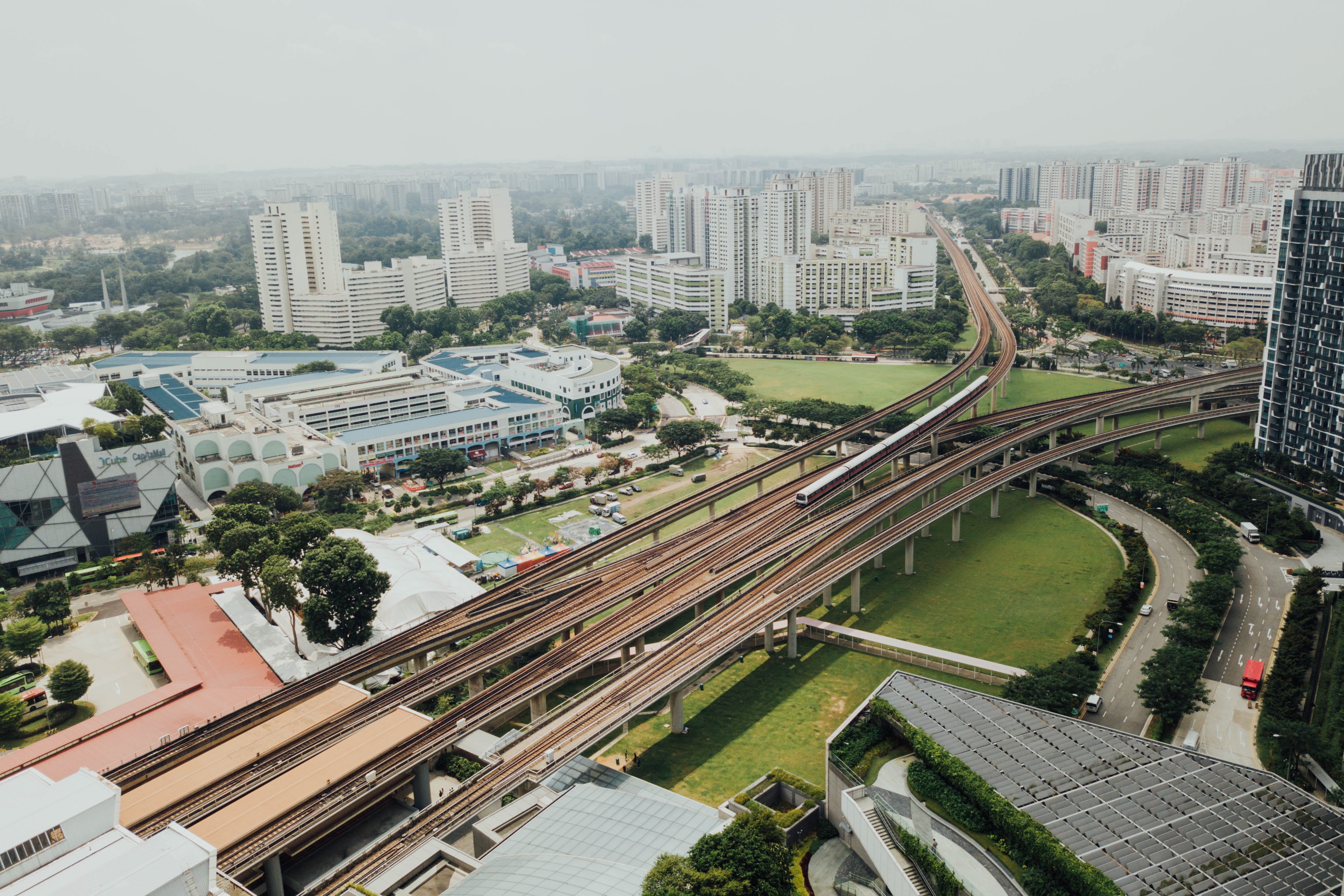
Urban centres provide opportunities for a range of social and cultural activities, as well as being critical for innovations in science, technology and education. They are also of critical importance for social and economic development. However, with approximately 40% of global energy use taking place within city buildings, this sector is also the single largest contributor to global greenhouse gas emissions.

As a result, the design and use of energy and resource-efficient buildings has a key role in climate change mitigation to accelerate the global green economy transition. Although vast savings are possible by constructing new green buildings and retrofitting existing buildings, even greater gains can be achieved by adopting a long-term life-cycle approach involving stakeholders at different stages – from environmentally-minded investors and architects, to sustainable extraction, construction and usage, and the eventual demolition and the recycling or disposal of the building materials.

Cities are well-placed to play a major role in decoupling economic development from resource use and environmental impacts, while finding a better balance between social, environmental and economic objectives. Resource-efficient cities combine greater productivity and innovation with lower costs and reduced environmental impacts, offering at the same time financial savings and increased sustainability.

Upcoming Events

Cities and Urban Development

A post is already pinned to this stream. Would you like to replace it?

Regions and cities can help make the climate neutral and circular economy a reality by 2050, particularly in climate action critical sectors like local infrastructure and transportation. OECD offers guidance for policymakers seeking to identify and implement concrete and ambitious transition pathways.

Read More

http://oe.cd/il/3kZ

A new guide to help cities set science-based climate targets in line with the global 1.5-degree C goal. This is the first product for cities under the Science-Based Targets Network (SBTN) that gives cities a clear pathway to competitiveness and resilience by using science to define their role in restoring nature.

Read More

https://sciencebasedtargetsnetwork.org/resources/climate-tools-for-cities/

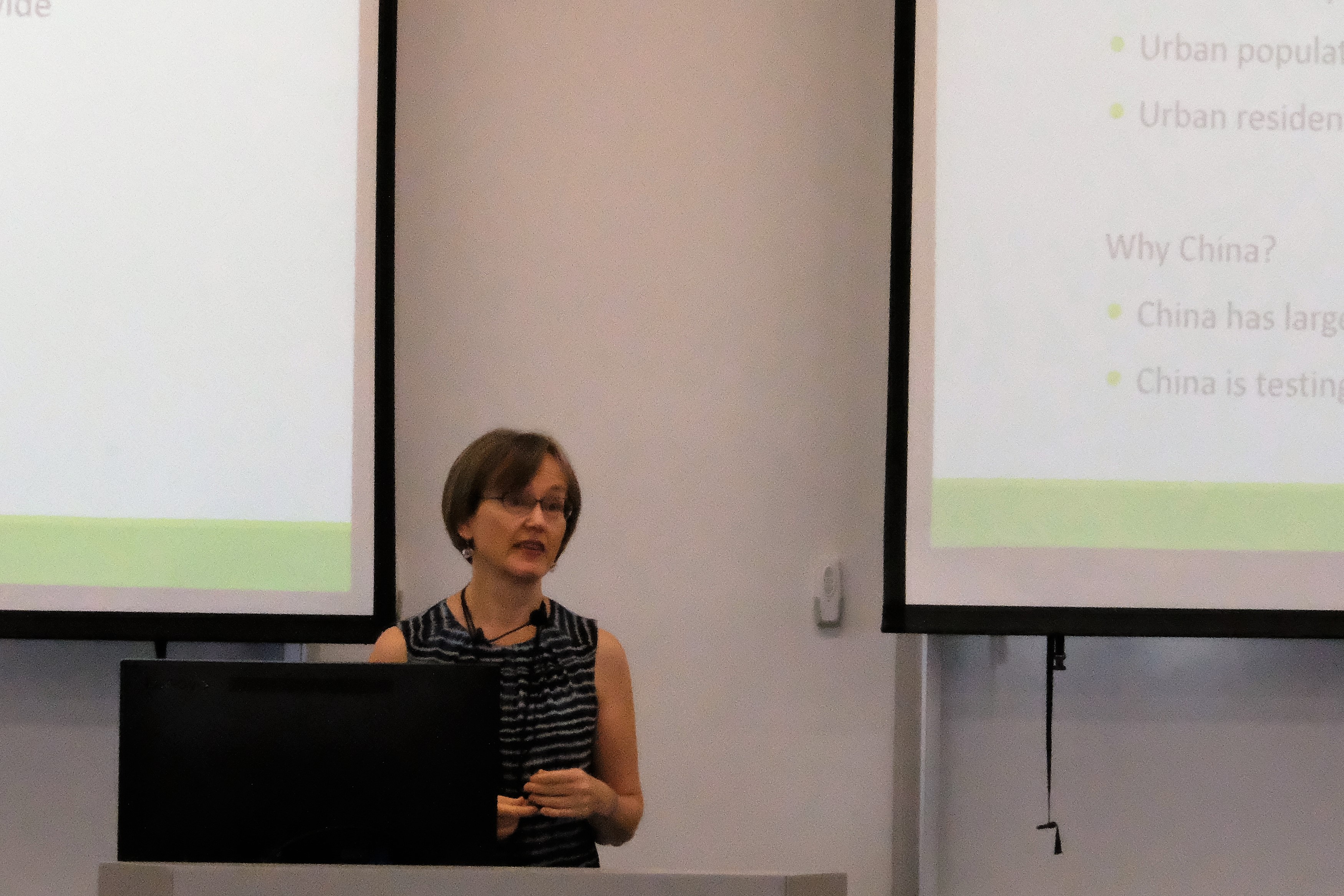
Introduce an interesting researcher: Outi Luova University Lecturer, Centre for East Asian Studies, University of Turku.
She is interested in environment performance and environmental education in the context of urban design and development in East Asia. As a Finnish national she can use English, Chinese, Swedish and German to work and research.

Read More

Ethnic Transnational Capital Transfers and Development - Utilization of Ties with South Korea in the Yanbian Korean Autonomous Prefecture, China
Yanbian is a region with a lot of Chinese citizen but Korea ethnic residents

Read More

https://www.researchgate.net/publication/326174953_Ethnic_Transnational_Capital_Transfers_and_Develo...

Divergent Trajectories among Chinese Community Volunteer Associations and Urban Governance: Comparing Four Districts in Tianjin

Read More

https://www.researchgate.net/profile/Outi_Luova2/publications

Local environmental governance and policy implementation: Variegated environmental education in three districts in Tianjin, China
Interesting. Environment performance and environmental education, good perspective.

Read More

https://www.researchgate.net/publication/335701707_Local_environmental_governance_and_policy_impleme...

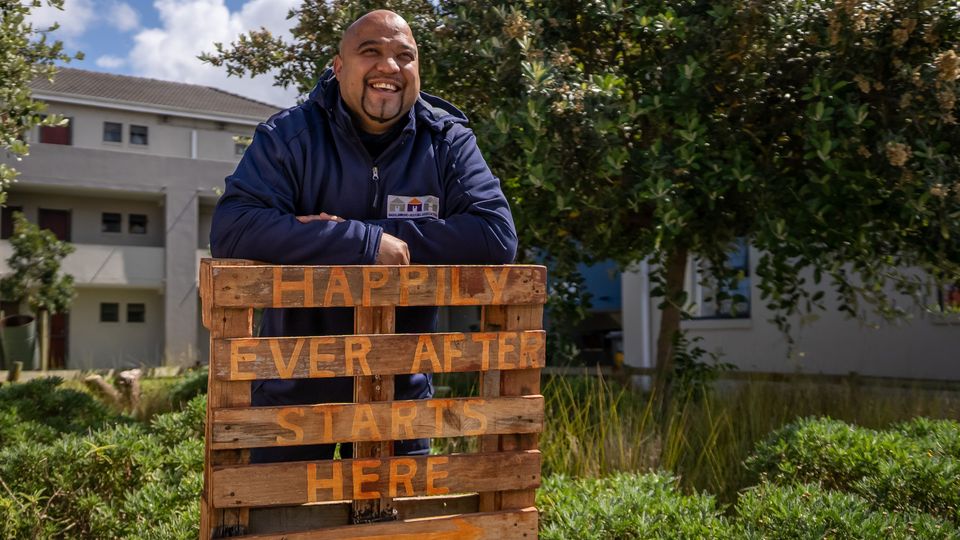
Interesting video on green social housing in Cape Town. Belhar Gardens is the first social housing project in South Africa to achieve EDGE certification. #energyefficiency #heatpumps #watersavings #greenspace

Read More

http://www.bbc.com/storyworks/building-a-better-future/ifc-sa
Closing:
United Nations Human Settlements Programme(UN-Habitat), Swedish Energy Agency, Smart City Sweden, Teknikforetagen, Viable Cities, Vinnova, Expo2020 Sweden

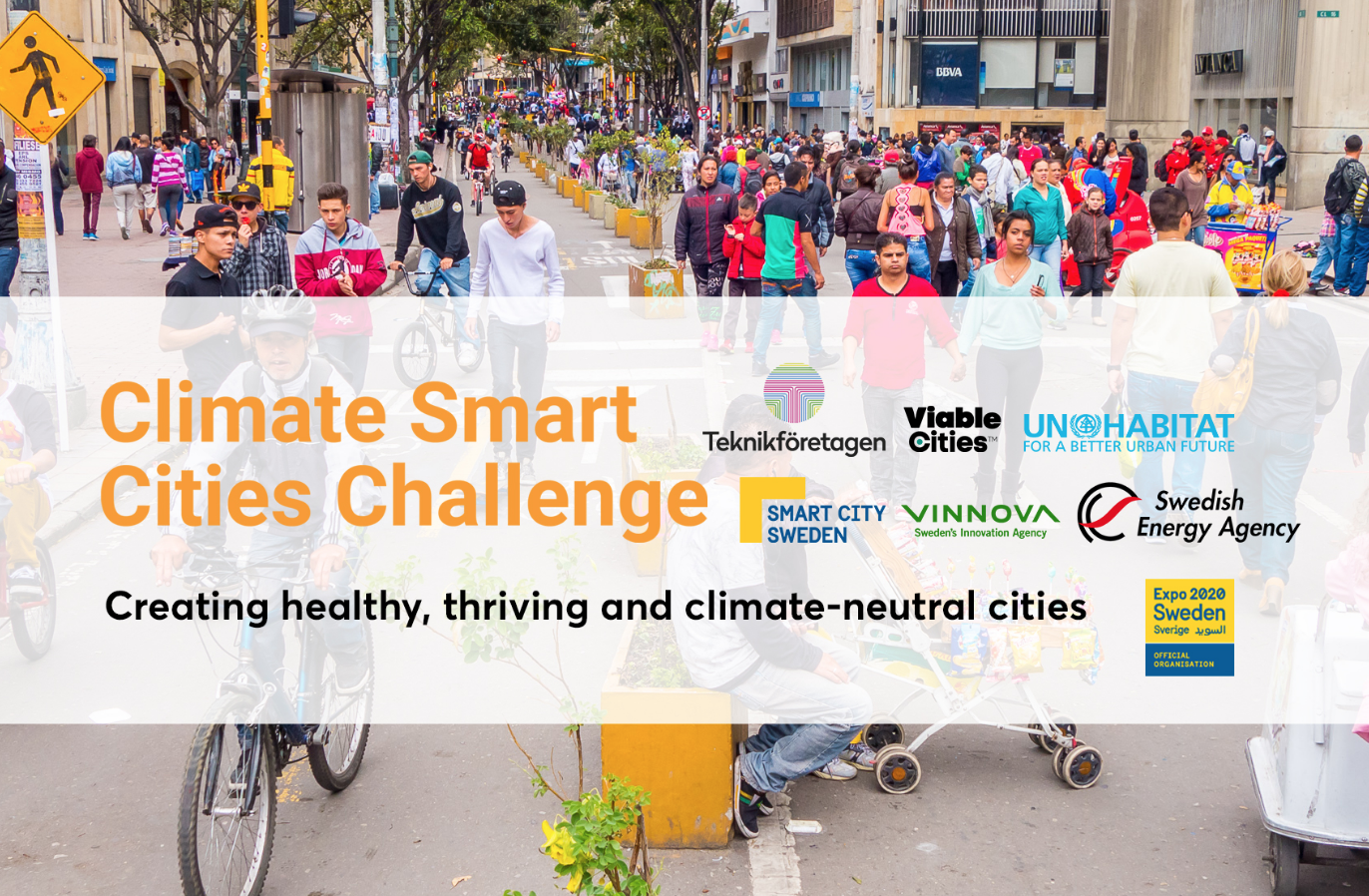
The Climate Smart Cities Challenge is an opportunity for cities to participate as implementation partners in a city-based open innovation competition that will invite a global pool of technologists, businesses and investors to develop, test and scale cutting-edge solutions to reduce greenhouse gas… Read More

Barcelona's 'superblock' is expanding and will cover one of the densest sections of the city. The city will hold a public competition in 2021 to come up with the preferred design. Since it was established in 2016, the concept has gained popularity worldwide given its success in reducing traffic and cutting air pollution to bring Barcelona’s NO2 levels in line with the WHO recommendation of a maximum of 40 micrograms per cubic metre.

Read More

https://www.bloomberg.com/news/articles/2020-11-11/barcelona-s-new-car-free-superblock-will-be-big