About this Discussion

According to the IPCC, the concentration of greenhouse gases in the earth’s atmosphere is directly linked to the average global temperature on Earth, and the concentration has been rising steadily. The most abundant greenhouse gas, accounting for about two-thirds of greenhouse gases, carbon dioxide, is largely the product of burning fossil fuels. 

There is alarming evidence that important tipping points, leading to irreversible changes in major ecosystems and the planetary climate system, may already have been reached or passed. One of the most urgent challenges facing countries across the world today is how to achieve economic prosperity and development while also combating climate change.

The Paris climate change agreement commits nations to limit global temperature rise to no more than 2°C above pre-industrial levels, with countries pledging to cut or curb their greenhouse gas emissions – through a combination of mitigation and adaptation measures – by 2030. 

Upcoming Events

Climate Change

A post is already pinned to this stream. Would you like to replace it?
Global Green Growth Institute(GGGI)

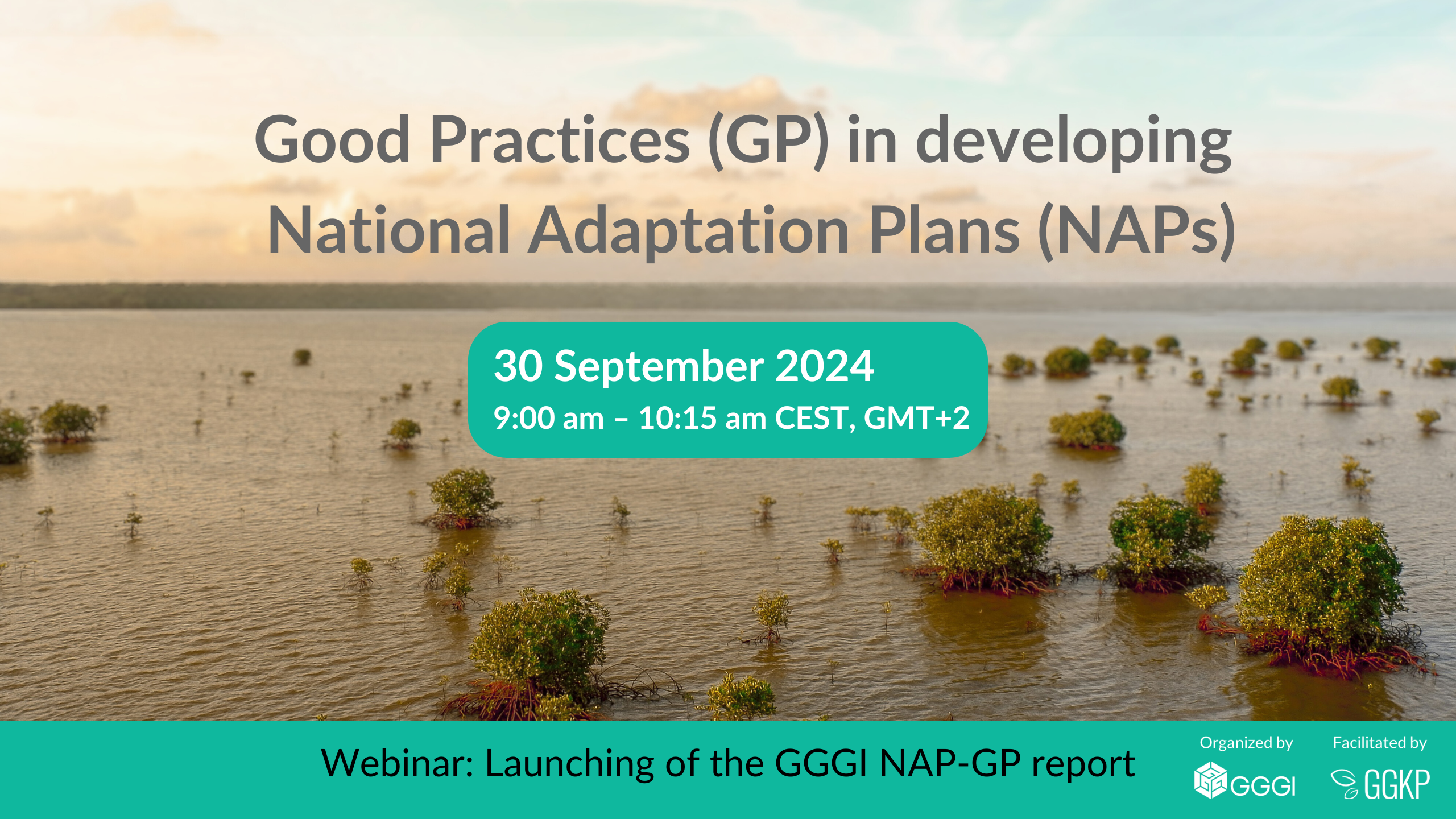
On 30 September 2024 (09:00-10:15 CEST), the Global Green Growth Institute (GGGI) is hosting a webinar on "Good Practices in Developing a National Adaptation Plan (NAP)."During the webinar, GGGI will present on the report Identifying Good Practices in National Adaptation Plans: A Global Review… Read More

Best practices for achieving net-zero in the UK

1. Set clear, science-based targets
The first step towards achieving net zero is setting clear and ambitious targets. Adapting the Science Based Targets initiative (SBTi) frameworks can help you in this scenario.

SBTi helps companies set clear goals to reduce their greenhouse gas emissions. The UK government wants to cut emissions from public buildings by half in 2032 and by three-quarters in 2037.

2. Implement comprehensive carbon footprint measurement
Accurate measurement of carbon emissions is essential for managing and reducing them effectively. Businesses should utilize tools and methodologies for comprehensive carbon footprint measurement. This involves calculating direct emissions indirect emissions from energy consumption, and other indirect emissions across the value chain.

3. Adopt renewable energy sources
Businesses should invest in renewable energy such as wind, solar, or hydropower. Additionally, organizations can purchase renewable energy certificates (RECs) to offset their energy consumption if direct use of renewable energy is not feasible.

Read More

https://www.esgflo.com/blog-articles/carbon-disclosure-project-in-the-uk-achieving-net-zero-goals
Emily Carter commented on Natalie Jones's Post in Climate Change, Waste Management

always knew that manufacturing companies created a lot of waste, but recently found out how terrifying the number actually is! clothing industry generates about 5.2 million tons of waste!! these firms are worsening the already messed up environment, absolutely unacceptable. do you think it's okay to exploit mother earth for a bit of fashion? nah, man! i'd rather thrift than make things easier for these companies.

Read More

https://www.ispo.com/en/promotion/addressing-waste-and-closing-loop

ESG Case study: How EnerSys uses GenAI to drive Sustainability

AI is revolutionizing sustainability practices, with EnerSys showcasing how AI tools can significantly enhance efficiency and accuracy in data collection, reporting, and analysis for ESG efforts.

In the recently published Thomson Reuters Future of Professionals 2024 report, more than three-quarters (77%) of professional services respondents said they believe artificial intelligence (AI) will have a high or transformational impact on their work over the next five years. This was 10 percentage points higher than in the 2023 report; and moreover, a resounding 78% of professionals said they believe AI is a force for good.

It appears that this may be the case for sustainability practitioners as they face intense workloads from the explosion of upcoming environmental, social & governance (ESG) regulatory requirements. Christina Sivulka, the global sustainability manager at EnerSys — a leading industrial battery manufacturing and energy storage company — is one of these leaders at the forefront of leveraging AI. In fact, she and her colleagues have been using AI to enhance their company’s sustainability data collection and reporting processes for the last 18 months.

Read More

https://www.esgflo.com/press-articles/esg-case-study-how-enersys-uses-genai-to-drive-sustainability

California's climate rules target climate change through ambitious regulations to cut greenhouse gas emissions, boost clean energy, and enhance resilience. Key measures include the Global Warming Solutions Act, renewable energy standards, and cap-and-trade programs. Understanding and complying with these regulations is essential for businesses and investors to succeed in this evolving environment.

Through collaboration, innovation, and bold leadership, California's climate rules aim to drive meaningful progress toward a more resilient future for generations to come.

Read More

https://www.esgflo.com/blog-articles/californias-climate-rules

Cambodian Green Economy Transition: Background, Progress, and SWOT Analysis
by Puthearath Chan

A green economy is not a common economic practice. This leads the governments in many countries to focus on institutional arrangement and policy development. The institutional arrangement is one of the main significant factors, while green economy policies have to be well developed to support stakeholders and put less pressure on local communities. Hence, this research aims to understand green economic development in Cambodia by focusing on institutional arrangements and green economic development policies. Thus, this research’s priority was to evaluate their background and progress, and a comprehensive SWOT (strengths, weaknesses, opportunities, and threats) analysis was conducted based on their progress/transition. This research conducted background, progress, and SWOT analyses based on (i) the government’s documents, including the code, laws, royal decrees, sub-decrees, prakas, policies, strategic plans, roadmaps, and reports; (ii) development partners’ reports from reliable sources, such as UN agencies, UN Programs, ASEAN, the Asian Development Bank, and the World Bank; and (iii) existing literature. This research presented the results and discussed the findings encompassed by political and economic conditions, institutional arrangement and capacities, policy development and coordination, and participation of the public and stakeholders, as well as global green cooperation and funding, which were conditioned by the experiences from the COVID-19 pandemic and the uncertainties resulting from global geopolitical conflicts, such as the Russian–Ukrainian conflicts. Moreover, this research discussed weaknesses against strengths and threats against opportunities to suggest solutions or implications.

Read More

https://doi.org/10.3390/world5020022

Why is Science-Based Target Setting important?

Science-Based Target setting (SBT) refers to the process whereby companies and organizations set greenhouse gas emission reduction targets in line with the latest climate science requirements needed to meet the goals of the Paris Agreement - limiting global warming to well below 2°C above pre-industrial levels and pursuing efforts to limit the warming to 1.5°C.

In an era where environmental, social, and governance (ESG) considerations are becoming critical for investors, regulators, and consumers, adopting Science-Based Targets (SBTs) demonstrates a company's commitment to sustainable development and climate action.

Read More

https://www.esgflo.com/science-based-target-setting

‍As the global community grapples with the escalating challenges of climate change, the role of SEC Climate Disclosure in enhancing transparency and resilience in the financial markets has never been more critical. By embracing the principles of ESG and proactively engaging with regulatory developments, businesses and investors can navigate the complexities of climate-related risks and opportunities, build resilience, and seize opportunities for sustainable growth.

Through collaboration, innovation, and transparency, we can harness the full potential of SEC Climate Disclosure to accelerate the transition towards a more sustainable and prosperous future for all.

Read More

https://www.esgflo.com/blog-articles/sec-climate-disclosure
ESG Flo logo

Created a Post in Climate Change

In today’s world, where transparency and accountability are critical for sustainable business practices, the Global Reporting Initiative (GRI) plays a pivotal role. The GRI provides a comprehensive framework for sustainability reporting that helps organizations communicate their environmental, social, and governance (ESG) impacts.

The Global Reporting Initiative operates through its globally recognized GRI Standards, which are structured around three series: Universal Standards, Sector Standards, and Topic Standards.

Out of these, ‍topic standards focus on specific sustainability topics such as climate change, human rights, and biodiversity. Organizations select relevant topic standards based on their significant impacts.

Read More

https://www.esgflo.com/blog-articles/gri-global-reporting-initiative
Default profile image

Created a Post in Climate Change

Attend the 14th Biennial Lake Symposium "Wetlands for Human Well-being" to learn about the vital role wetlands play in our health and the environment! This symposium brings together researchers, policymakers, and community members to discuss ecosystem conservation, restoration, and management. The focus is on understanding how wetlands provide us with clean water, food, and protect us from floods and climate change. Join us to learn how we can all work together to ensure a sustainable future for our planet.

Read More

https://wgbis.ces.iisc.ac.in/energy/lake2024/