About this Discussion

According to the IPCC, the concentration of greenhouse gases in the earth’s atmosphere is directly linked to the average global temperature on Earth, and the concentration has been rising steadily. The most abundant greenhouse gas, accounting for about two-thirds of greenhouse gases, carbon dioxide, is largely the product of burning fossil fuels. 

There is alarming evidence that important tipping points, leading to irreversible changes in major ecosystems and the planetary climate system, may already have been reached or passed. One of the most urgent challenges facing countries across the world today is how to achieve economic prosperity and development while also combating climate change.

The Paris climate change agreement commits nations to limit global temperature rise to no more than 2°C above pre-industrial levels, with countries pledging to cut or curb their greenhouse gas emissions – through a combination of mitigation and adaptation measures – by 2030. 

Upcoming Events

Climate Change

A post is already pinned to this stream. Would you like to replace it?
Default profile image

Created a Post in Climate Change

The climate is changing and Canadian communities are among those bearing the costs. To ensure these communities have the opportunity to thrive, taking a proactive approach to adaptation is necessary while we continue to advance mitigation strategies.

Read More

https://institute.smartprosperity.ca/ClimateProofingCanada
Default profile image

Created a Post in Energy, Climate Change
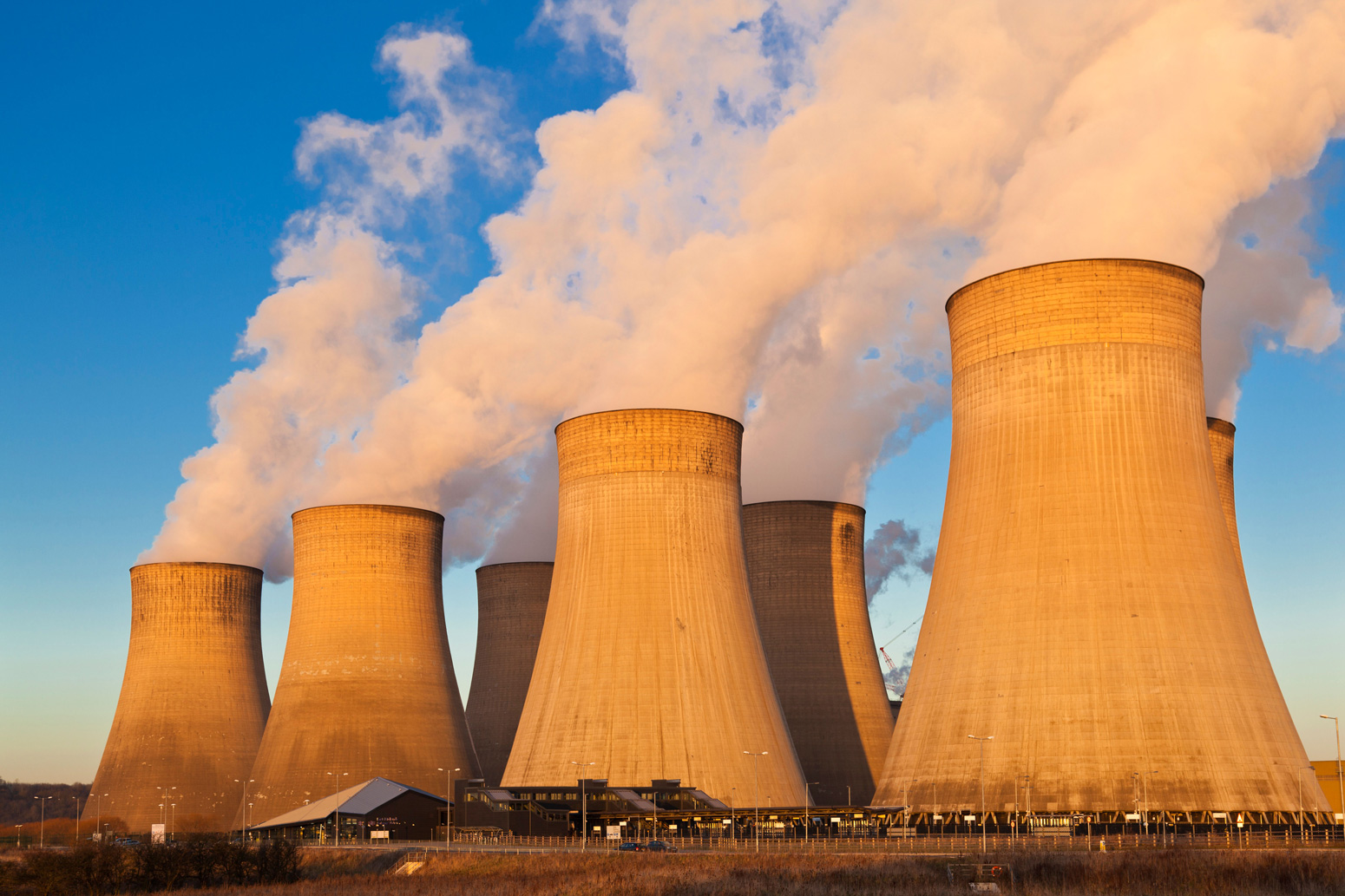
Many model pathways designed to meet the climate goals of the Paris Agreement rely heavily on large-scale carbon dioxide removal (CDR), also known as “negative emissions”.

This has prompted concerns that the promise of being able to use CDR in the future might dilute incentives to cut fossil fuel use today, a phenomenon known as “mitigation deterrence”.

Read More

https://www.carbonbrief.org/guest-post-emissions-should-fall-twice-as-fast-in-case-negative-emission...

Businesses can no longer drive ecosystem degradation, but instead must be active restorers. Their approach must go beyond offsetting carbon emissions and biodiversity losses. Restoration activities must be integrated as part of business models and as integral components of companies’ actions.

Read More

https://www.cdp.net/en/articles/forests/companies-have-a-major-role-to-play-in-restoring-ecosystems
Default profile image

Created a Post in Climate Change

In Lytton, a small village in Canada, record-breaking temperatures of 46.1C (115F), 47.9C (118F) and 49.6C (121.3F) were recorded on three consecutive days. Before this heatwave, the highest recorded temperature in the region was 45C. Similarly, Seattle and Portland in the US have seen three consecutive days of record-breaking temperatures. In this article, Carbon Brief summarises how the extreme heat and the role of climate change has been covered by the media.

Read More

https://www.carbonbrief.org/media-reaction-pacific-north-west-heat-dome-and-the-role-of-climate-chan...
Default profile image

Created a Post in Climate Change

“Methane is increasing dramatically— at the fastest rate since records started being kept in the 1980s. This is having knock-on effects for ozone, which is seeing substantial increases in those parts of the world where emissions of other ozone precursors are also high. One of the most important things we can do to protect the planet’s vital ecosystems over the coming decades is dramatically reduce methane emissions.

Read More

https://www.ccacoalition.org/en/news/reducing-methane-emissions-one-most-powerful-tools-global-fight...
Default profile image

Created a Post in Climate Change

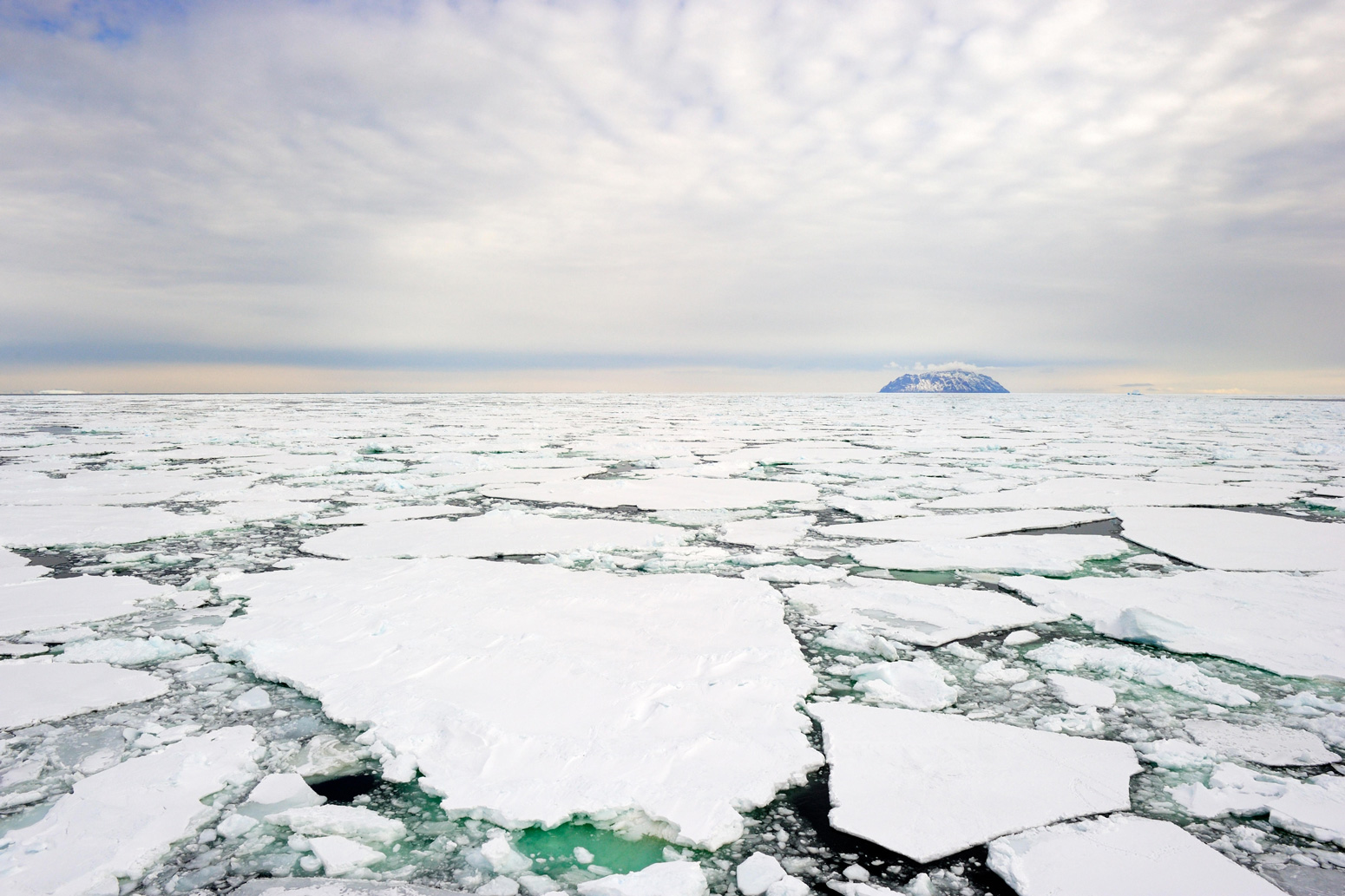
Antarctic sea ice extent increased gradually over much of the satellite record (1979 to present), reaching successive record highs in 2012-14. Yet, 2016 saw the beginning of the most pronounced fall in sea ice cover ever observed. Over the three years that followed, the precipitous drop in Antarctic sea ice was equivalent to 30 years of sea ice loss in the Arctic.

These fluctuations led the Intergovernmental Panel on Climate Change (IPCC) to conclude in its 2019 special report on the ocean and cryosphere that Antarctic sea ice extent “overall has had no statistically significant trend” due to “contrasting regional signals and large interannual variability”.

A perspective paper, published in Nature Geo science, draws on recent research to examine what the recent dramatic loss in Antarctic sea ice cover reveals about the processes that control sea ice in the region.

Read More

https://www.carbonbrief.org/guest-post-deciphering-the-rise-and-fall-of-antarctic-sea-ice-extent

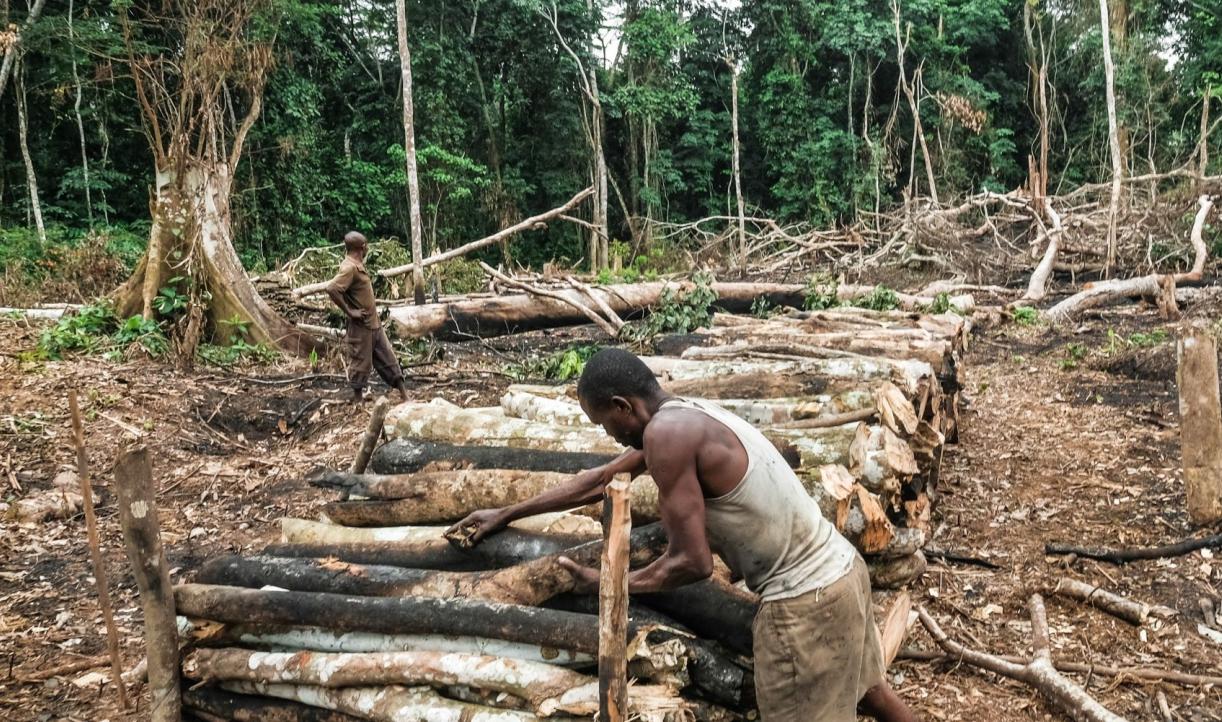
With over 155 million hectares of dense humid forests, the Congo Basin is the second largest tropical forest in the world after the Amazon. Much of this forest can be found within the Democratic Republic of Congo (DRC), which holds a portion of the Congo Basin equivalent to the size of Colombia. The DRC lost nearly 5 million hectares of tropical primary forests in the last 20 years and continues to face the threat of deforestation. In 2020, the DRC lost 490,000 hectares of primary forest cover, with Tshopo Province being the most affected in the country.

A major contributor to this loss is the unsustainable exploitation of forests to meet growing charcoal demand. Charcoal is produced by cutting and burning timber. Logs are stacked in traditional, low-efficiency kilns where the high heat turns them into charcoal. An expanding population with a growing need for food, energy and economic development has led to the rapid growth of the charcoal industry.

Read More

https://www.wri.org/insights/how-charcoal-industry-threatens-drcs-forests

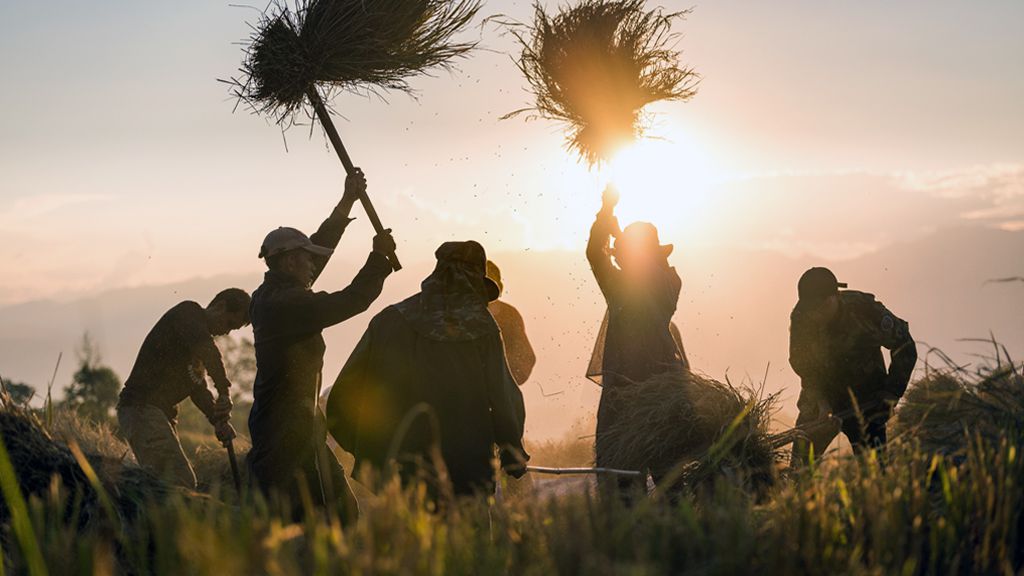
The connection between climate change and agriculture (both crops and livestock) is complex. On the one hand, agriculture is adversely affected by climate change (Aryal et al. 2020a; Lobell et al. 2011), but on the other hand, it is also one of the major factors exacerbating climate change (Smith et al. 2008; Aryal et al. 2020b). Climate-smart agriculture (CSA) could play a crucial role in reducing GHG emissions and mitigating the adverse effects of climate change.

Read More

https://www.asiapathways-adbi.org/2021/06/unraveling-linkages-between-agriculture-climate-change/
Default profile image

Created a Post in Climate Change

Can we expect a breakthrough on this year's COP26?

Global leaders say they want decisive action on tackling climate change at a crunch UN summit this year, yet political tensions. shortfall of funding might block them from making a significant progress thus jeopardising the future of our planet.

Read More

https://www.bloomberg.com/news/articles/2021-06-18/key-climate-talks-are-headed-for-trouble-after-g-...
Closing:
UN Habitat, Global Covenant of Mayors for Climate & Energy(GCoM)

The Innovate4Cities Conference will be an international gathering at the nexus of cities, climate change science and innovation. This groundbreaking meeting will be co-hosted by UN-Habitat and the Global Covenant of Mayors for Climate and Energy (GCoM). Read More