About this Discussion

According to the IPCC, the concentration of greenhouse gases in the earth’s atmosphere is directly linked to the average global temperature on Earth, and the concentration has been rising steadily. The most abundant greenhouse gas, accounting for about two-thirds of greenhouse gases, carbon dioxide, is largely the product of burning fossil fuels. 

There is alarming evidence that important tipping points, leading to irreversible changes in major ecosystems and the planetary climate system, may already have been reached or passed. One of the most urgent challenges facing countries across the world today is how to achieve economic prosperity and development while also combating climate change.

The Paris climate change agreement commits nations to limit global temperature rise to no more than 2°C above pre-industrial levels, with countries pledging to cut or curb their greenhouse gas emissions – through a combination of mitigation and adaptation measures – by 2030. 

Upcoming Events

Climate Change

A post is already pinned to this stream. Would you like to replace it?

Interesting article in the Guardian that highlights the delicate politics that can make or break real progress on achieving net zero emissions by 2050

Read More

https://www.theguardian.com/world/2021/jun/11/g7-leaders-face-make-or-break-moment-in-climate-crisis

The Covid-19 pandemic continues to dominate headlines with distressing messages about the negative effects on health and the economy. But sometimes a positive message creeps through.

The long months of lockdown and reduced economic activity have reduced emissions of greenhouse gases and air pollutants. In many areas, improved air quality has been hailed as a key side benefit of the crisis.

But as economic activity picks up again, are lower pollution levels really the silver lining of the Covid pandemic?

Read More

https://oecd-environment-focus.blog/2021/06/04/are-lower-pollution-levels-really-the-silver-lining-o...

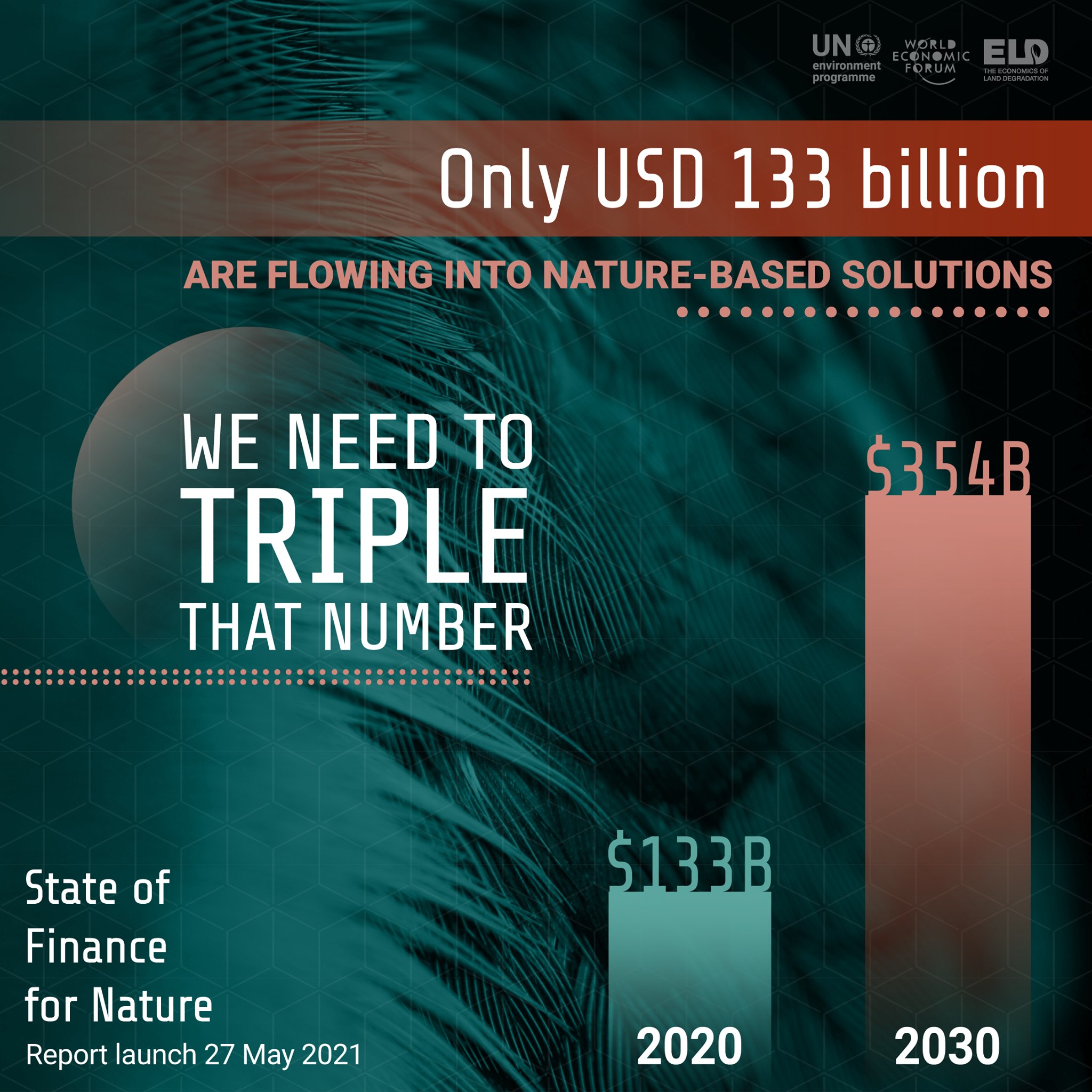
The new State of Finance for Nature report finds that if the world is to meet the climate change, biodiversity, and land degradation targets, it needs to close a USD 4.1 trillion financing gap in nature by 2050. The current investments in Nature-based solutions amount to USD 133 billion – most of which comes from public sources.

Read More

https://www.greengrowthknowledge.org/research/state-finance-nature
https://www.youtube.com/watch?v=lVrSQdwyEjg
Default profile image

Created a Post in Climate Change

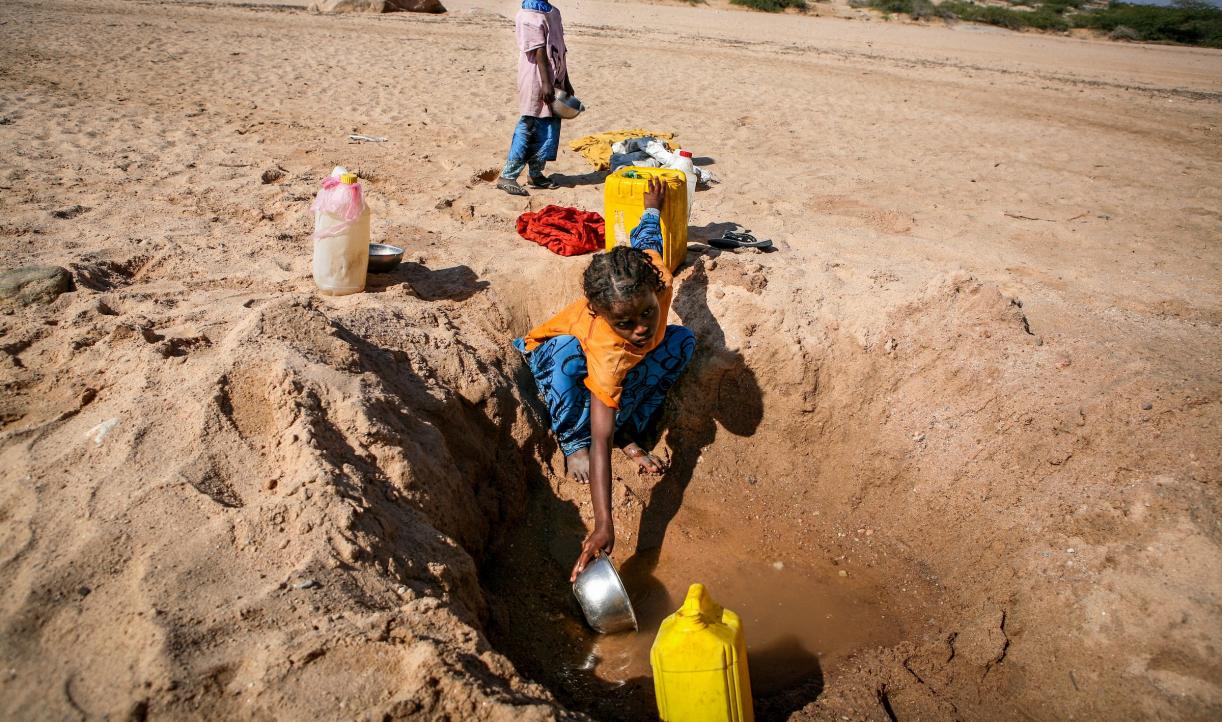
In recent years least developed countries have watched their key climate demands and needs go unanswered by other nations. These nations are least responsible for creating the climate change problem, but they are often the most affected by its impacts like sea level rise, floods, droughts and more. It is time for vulnerable countries to be heard ahead of the COP 26 Climate Negotiations.

Read More

https://www.wri.org/insights/what-vulnerable-countries-need-cop26-climate-summit
Stephani Widorini commented on Andrew Pickens's Post in Natural Capital, Climate Change, Green Recovery from COVID-19

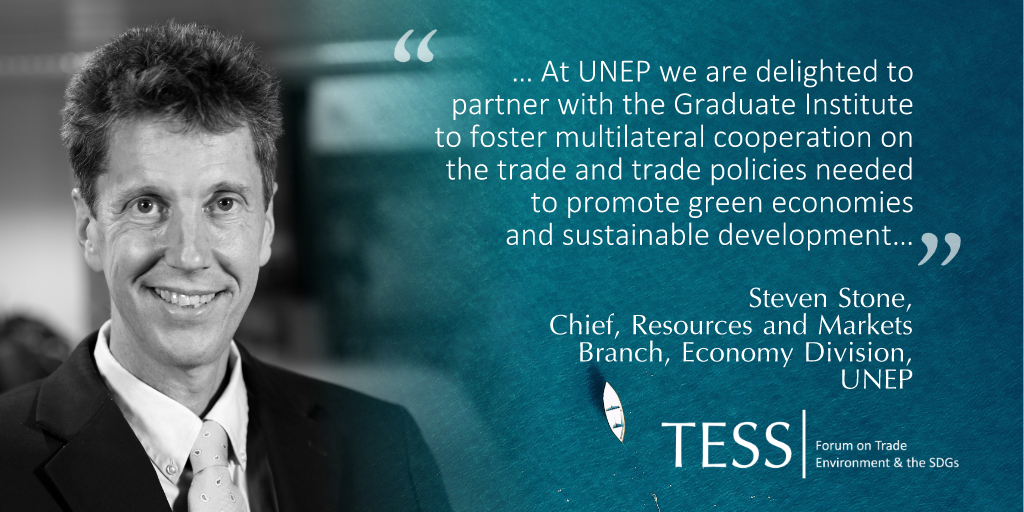
In the wake of World Environment Day, the Graduate Institute and UNEP have launched their new partnership, the Forum on Trade, Environment and the SDGs (TESS), to support dialogue and action on trade policies that advance environmental sustainability and the UN Sustainable Development Goals (SDGs).

Mandated to ‘connect, inform, analyse and empower’, the work of TESS combines public facing events and policy briefs; expert and stakeholder roundtables; and off-the-record consultations key to supporting international policymaking processes.

Read More

https://tessforum.org/
Default profile image

Created a Post in Climate Change

A paper featured in Nature Climate Change aims to correct a “long-standing” and “unaddressed” problem in climate modelling – namely, that existing models simulate too much rainfall from clouds and, therefore, underestimate their lifespan and cooling effect. The newest generation of global climate models predict faster future warming than their predecessors because the new models simulate a smaller cooling effect from clouds.

Read More

https://www.carbonbrief.org/cooling-effect-of-clouds-underestimated-by-climate-models-says-new-study
Default profile image

Created a Post in Climate Change

Poverty reduction and climate action now go hand-in-hand, because low-income countries are among the most vulnerable to global warming and the least able to adapt. An EIB tool for assessing the climate change risks developing countries face helps show where assistance is most needed.

Read More

https://www.eib.org/en/stories/climate-change-risks-developing-countries
Default profile image

Created a Post in Climate Change, Energy
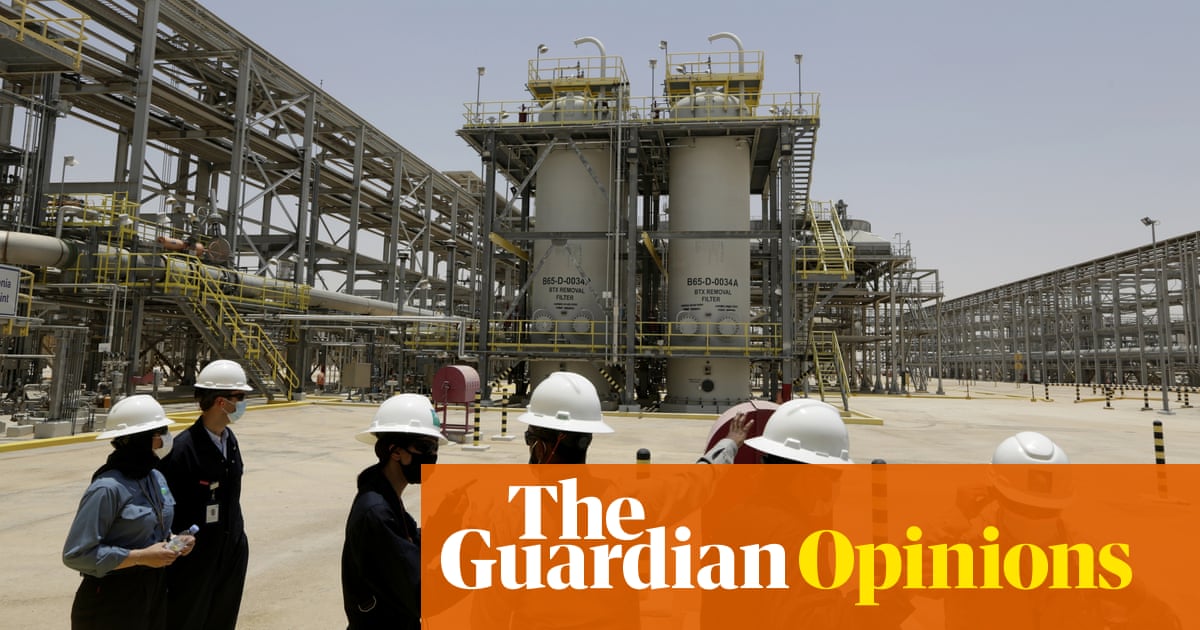
The Biden administration on Tuesday suspended oil drilling leases in the Arctic National Wildlife Refuge.

Read More

https://www.nytimes.com/2021/06/01/climate/biden-drilling-arctic-national-wildlife-refuge.html

Unsustainable trade is behind the biodiversity crisis threatening our existence. But done sustainably, international commerce can help protect our planet’s precious resources.

Read More

https://unctad.org/news/why-trade-must-be-part-solution-biodiversity-loss

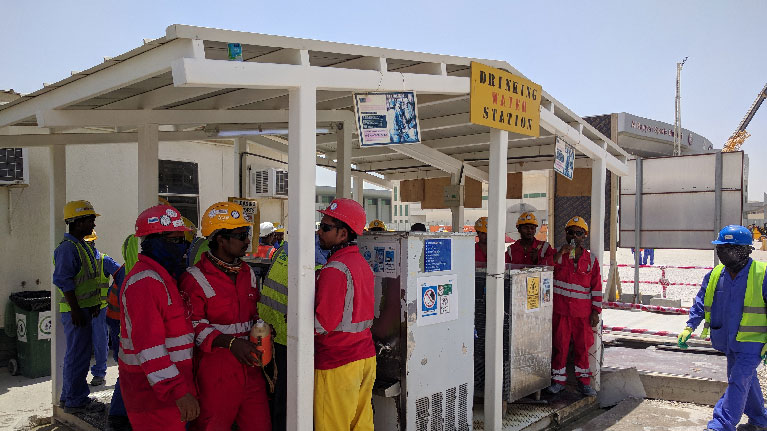
A Qatari Ministerial Decision announced on 26 May 2021 introduces a significant expansion of summertime working hours during which outdoor work is prohibited. Mitigation strategies can keep workers safe from heat stress.

Read More

https://www.ilo.org/beirut/projects/qatar-office/WCMS_794475/lang--en/index.htm