Water and Sanitation
Public - visible to all visitors to the platform.
Open to join - users can join this group without approval.
About this Discussion
According to the UN, nearly one-third of people globally lack access to safely managed drinking water services, and over half lack access to safely managed sanitation facilities. This lack of access can have potentially significant adverse impacts on people’s health, through water-related diseases, in addition to productivity and environmental impacts. The COVID-19 pandemic has compounded the situation, and has demonstrated the critical importance of sanitation, hygiene and adequate access to clean water for preventing and containing diseases.
While substantial progress has been made in increasing access to clean drinking water and sanitation, billions of people – mostly in rural areas – still lack these basic services. More needs to be done to improve the situation and achieve one of the Sustainable Development Goals, which calls for ensuring access to water and sanitation for all. The challenge lies in finding a way to use the world’s water more efficiently and make it available to all at a reasonable cost, while leaving sufficient quantities to sustain the environment. Green growth policies in the water sector can address issues of both quantity and quality by encouraging water-related innovation and investment in green infrastructure, and through integration with policies in other relevant sectors.
Upcoming Events
Informative message
Water and Sanitation

Created a Post in Cities and Urban Development, Water and Sanitation

Created a Post in Cities and Urban Development, Natural Capital, Water and Sanitation
Created a Post in Blue Economy, Cities and Urban Development, Water and Sanitation
Created a Post in Circular Economy, Energy, Water and Sanitation
Created a Post in Circular Economy, Cities and Urban Development, Water and Sanitation
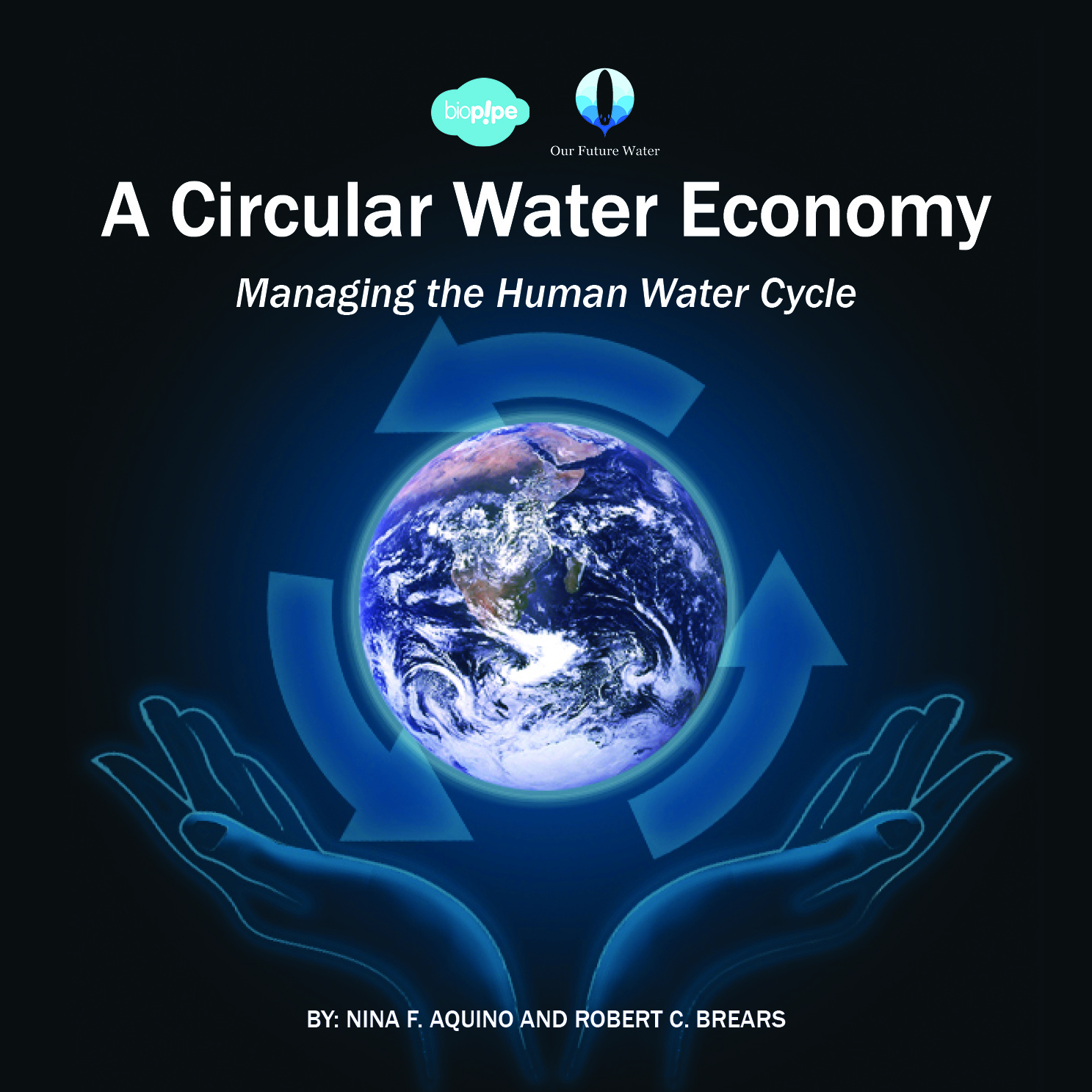

Created a Post in Climate Change, Water and Sanitation
Created a Post in Cities and Urban Development, Natural Capital, Water and Sanitation

Created a Post in Circular Economy, Natural Capital, Water and Sanitation

Created a Post in Circular Economy, Cities and Urban Development, Water and Sanitation
Created a Post in Water and Sanitation, Climate Change