This blog post draws on an interview with Jelena Kovačević, Head of Department for Pollution Control and Chemical Management, Ministry for Ecology, Sustainable Development and Northern Region Development of Montenegro, and Danijela Suković, Toxicologist, Department of Forensic Medicine, Clinical Center of Montenegro. The interview is part of the NIP Dialogues Series under the GEF-funded, UNEP-led Global NIP Update project (GEF ID 10785).
Montenegro’s third update of its National Implementation Plan (NIP) under the Stockholm Convention reflects a continuous commitment to managing persistent organic pollutants (POPs) in a policy and technical landscape that is becoming more complex.
Jelena Kovačević, Head of Department for Pollution Control and Chemical Management, Ministry for Ecology, Sustainable Development and Northern Region Development of Montenegro, and Danijela Suković, Toxicologist, Department of Forensic Medicine, Clinical Center of Montenegro, shared detailed insights into how Montenegro is advancing POPs management through systematic inventories, strengthened institutions, intersectoral cooperation and long-term strategic planning.
Advancing NIP scope and methodologies
Montenegro’s third NIP update builds on earlier cycles, incorporating a substantially wider range of newly listed POPs and more technically demanding inventory requirements. While the first NIP established the legal and institutional foundation and the second expanded the scope, the current update goes further by covering a larger number of newly listed substances and refining inventory methodologies.
Significant progress was achieved in systematically inventorying almost all pesticides and industrial chemicals, including short-chain chlorinated paraffins (SCCPs), decabromodiphenyl ether (decaBDE), perfluorooctanoic acid (PFOA) and perfluorohexane sulfonate (PFHxS). These substances were assessed across their entire life cycles – from import and use to waste generation and potential environmental releases.
For the first time, Montenegro also completed a full inventory of unintentionally produced POPs (UPOPs), moving beyond dioxins and furans to include hexachlorobutadiene (HCBD), pentachlorobenzene (PeCB) and polychlorinated naphthalenes (PCNs). This required more advanced calculations, the application of international emission factors, and deeper sector assessments across energy, transport and waste management.
The update also introduced a structured prioritization process and a permanent, two-tier national coordination mechanism. This includes a steering committee for decision-making and policy guidance, alongside an operational technical team for day-to-day coordination. This structure supports robust interministerial collaboration across environment, health, agriculture, industry and waste management, while strengthening continuity across update cycles.
A systematic approach to inventories and data quality
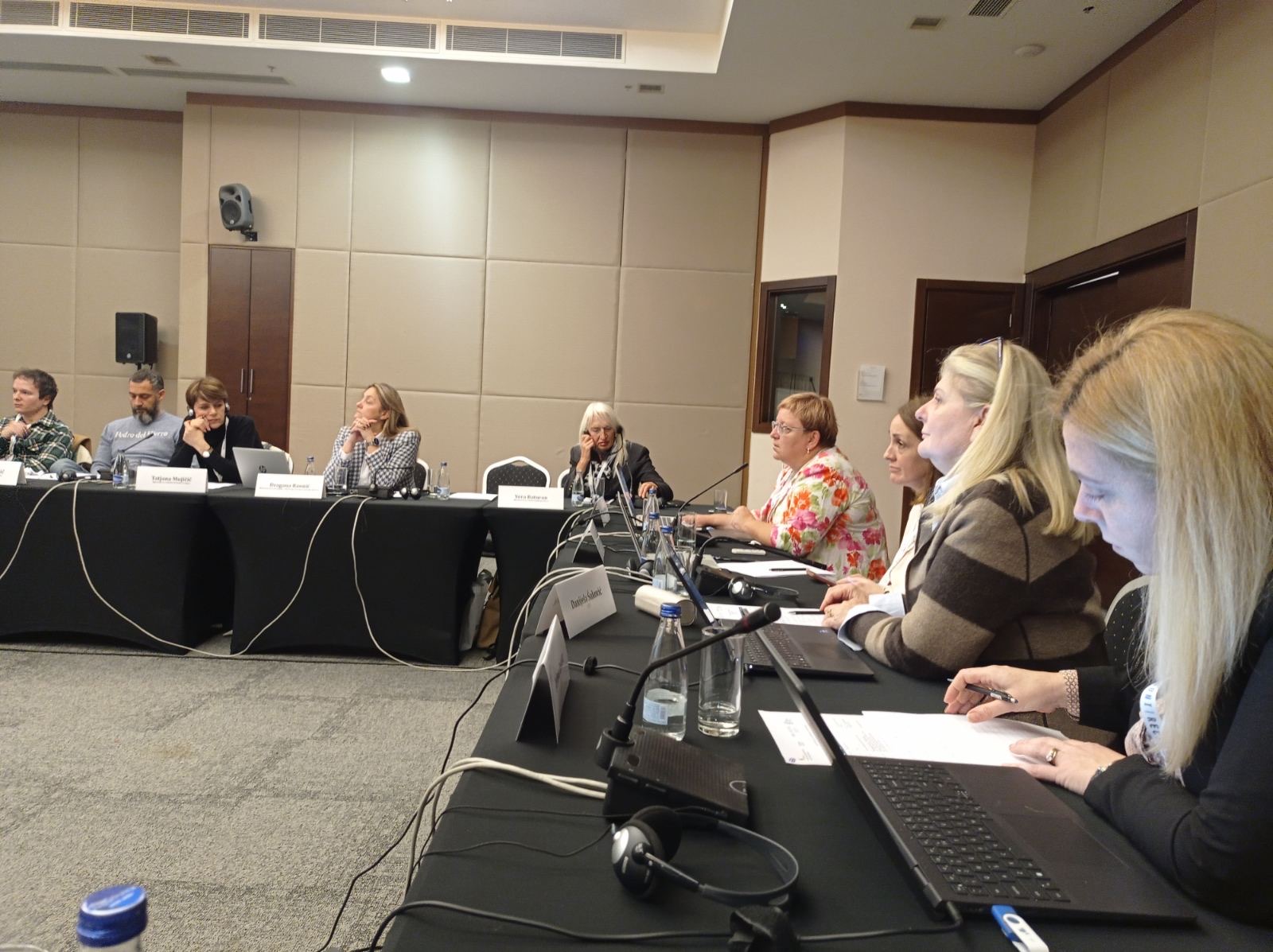
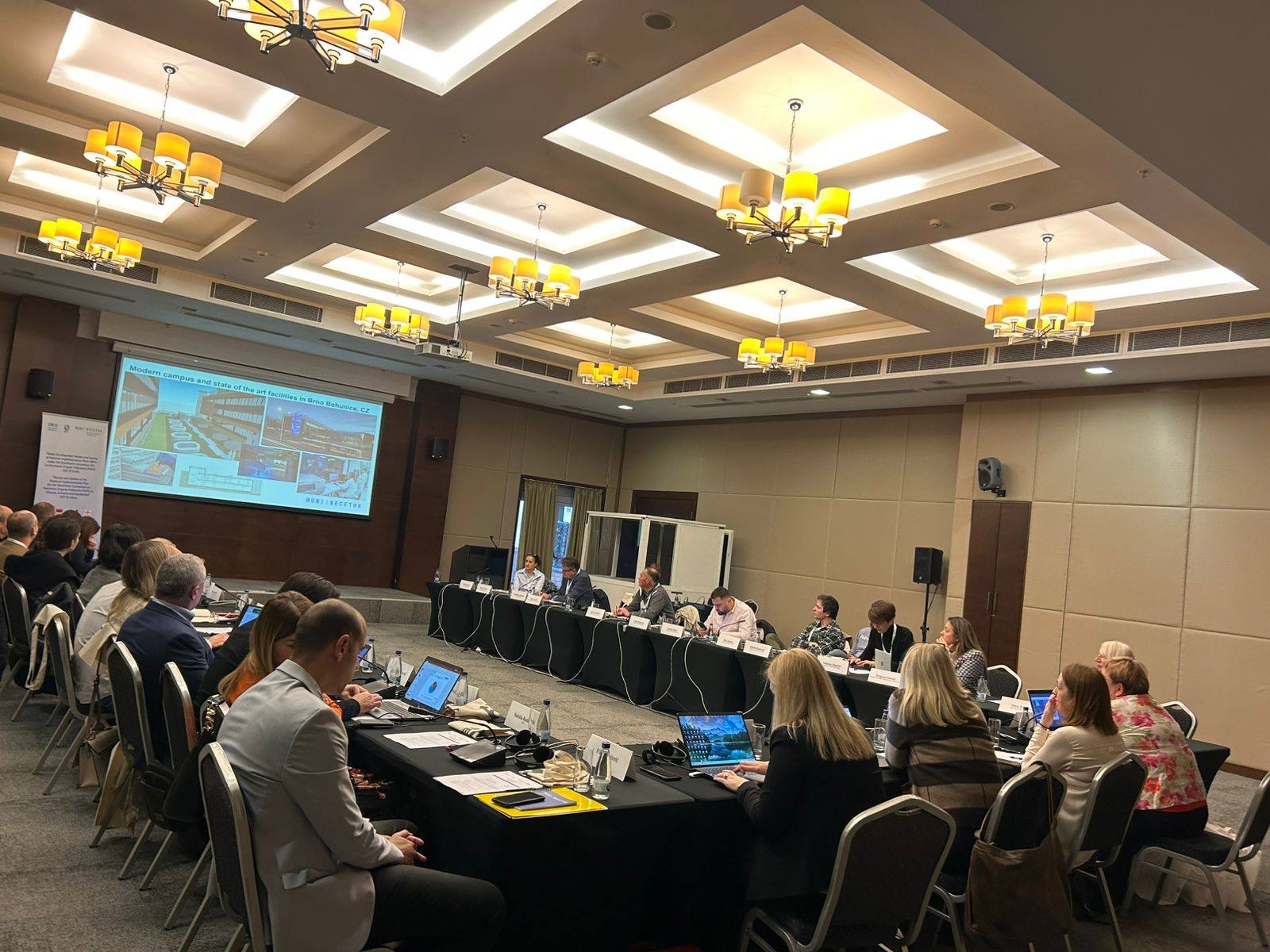
A small but tightly coordinated expert team sits at the centre of the NIP update, supporting both quality and continuity. The process draws on Stockholm Convention guidance, experiences from other countries, scientific publications and international expertise. The Research Centre for Toxic Compounds in the Environment (RECETOX), as the Stockholm Convention Regional Centre in the Czech Republic, provided critical guidance to maintain a strong focus on key elements, especially during the prioritization phase.
Danijela Suković highlighted: “Continuity is key. We are not just developing a single NIP, but building a long-term system, transferring knowledge to younger colleagues and strengthening sustainable capacity.”
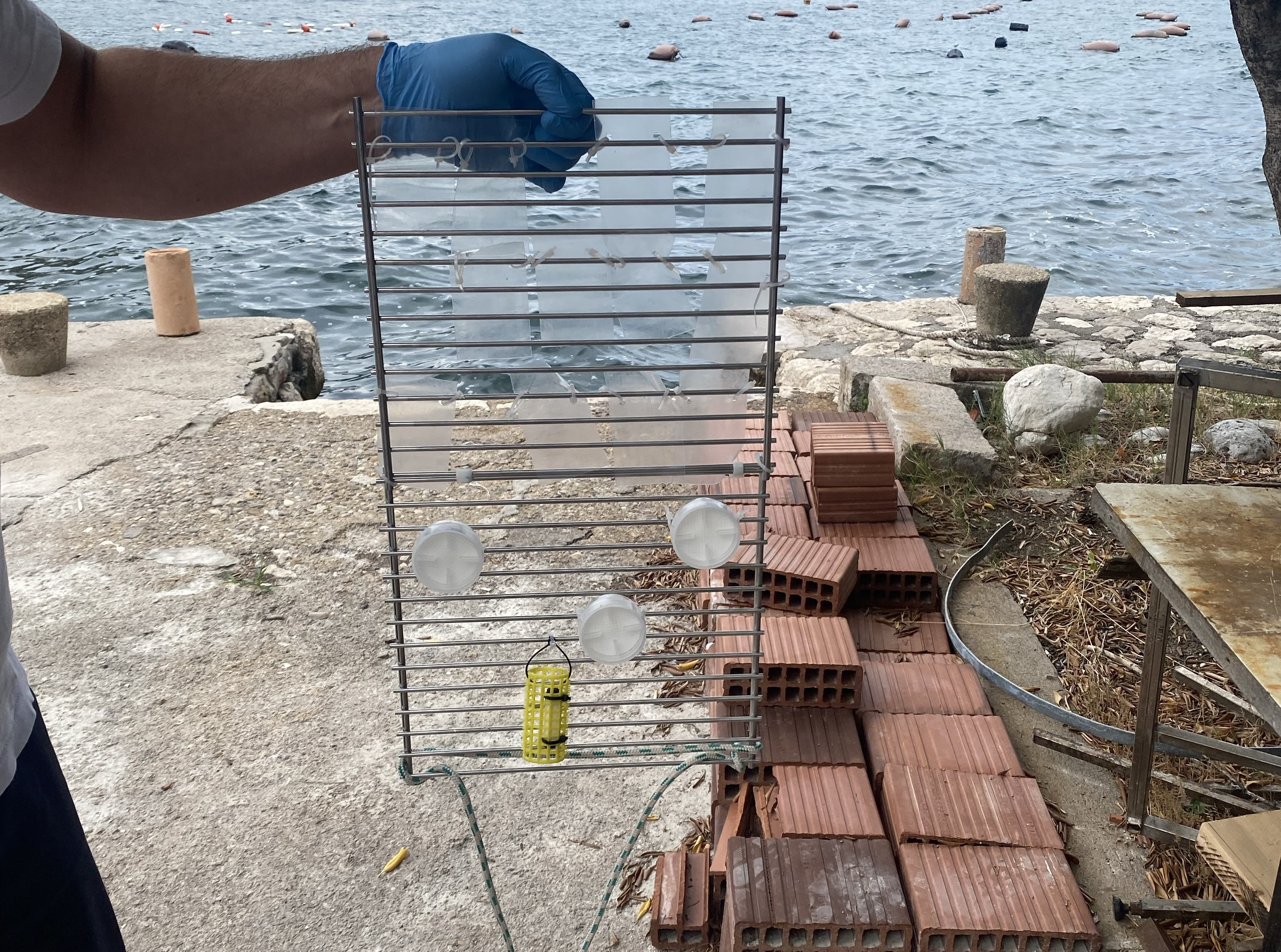
Data collection relies on multiple sources, including administrative data on imports, production, and use, information from sectoral institutions (energy, agriculture and waste) and national monitoring results. Sampling and screening are conducted within the existing monitoring system, while laboratory verification is carried out through accredited national laboratories, with international cooperation as needed.
Currently, two institutions have the capacity to analyse POPs in the environment and food: the Center for Ecotoxicological Research (CETI) and the Institute for Public Health.
The quality and continuity of data are ensured through cooperation among key institutions, including Montenegro’s Ministry of Environment, Environmental Protection Agency and institutions responsible for health and food safety. Engaging these actors across cycles ensures data compatibility and preserves vital institutional memory.
Sectoral analysis example: PFOA and PFHxS
One example of Montenegro’s sector-based inventory approach involved PFOA and PFHxS. Stakeholders were identified across environmental and statistical authorities, the customs administration and firefighting organizations. Sector analysis indicated that these substances were most prevalent in firefighting, waste management and consumer products.
Data were collected using a three-tier approach: initial assessments, detailed interviews and statistical analysis, and field visits and laboratory testing. Results found PFOA in 13 out of 41 samples, with 11 exceeding regulatory limits, and PFHxS in four samples, all of which were above legal thresholds. Recommended measures include the withdrawal of contaminated foams, replacement with safer alternatives, decontamination procedures and ongoing monitoring.
Private-sector reporting and strengthened obligations
Montenegro requires private-sector reporting on specific POPs, particularly polychlorinated biphenyls (PCBs) in equipment. Companies are obligated to identify, label, maintain, store and dispose of PCB-containing equipment appropriately. Larger operators must also conduct environmental monitoring and report emissions under the Pollutant Release and Transfer Register (PRTR) system.
As per- and polyfluoroalkyl substances (PFAS) and other newly listed POPs are integrated into national frameworks, reporting requirements are being progressively aligned with European Union (EU) standards.
Jelena Kovačević highlighted: "Regarding the PFAS and other newly listed POPs under the Stockholm Convention, reporting requirements are being progressively aligned with the EU standards, so this updated NIP also recommended further strengthening and reporting obligations as a monitoring system for PFAS."
Priorities and action plans for 2025–2027
Priority substances for the coming years include PFAS in firefighting foams and industrial products, brominated flame retardants such as polybrominated diphenyl ethers (PBDEs) and hexabromocyclododecane (HBCDD), and both short- and medium-chain chlorinated paraffins (SCCPs/MCCPs). Planned actions involve further harmonization of chemicals legislation with EU standards, operationalizing the national coordination body and strengthening administrative capacity.
Montenegro aims to phase out non-compliant PFAS foams, promote fluorine-free alternatives and strictly control POP-containing products. A major milestone is on the horizon: remaining PCB equipment is scheduled for export and disposal in 2026, which would officially make Montenegro a PCB-free country.
Monitoring remains central to the approach, covering all environmental segments and establishing continuous human biomonitoring for at-risk populations. Accredited national laboratories will conduct analysis, bioassays and ecotoxicological assessments, supported by international partners where needed. Reducing unintentional emissions, including preventive actions at uncontrolled landfills, remains a top priority.
All activities fall under the 2025–2027 Action Plan, which sets clear objectives, responsibilities and timelines, with updates planned based on new data and evolving international obligations.
Regulatory alignment with EU and contaminated soil legislation
Montenegro’s legal framework for chemicals and waste is largely harmonized with EU legislation, including REACH (Registration, Evaluation, Authorisation and Restriction of Chemicals), CLP (Classification, Labelling and Packaging), PIC (Prior Informed Consent) and POPs regulations.
Montenegro has established comprehensive legislation regarding hazardous waste management, industrial emissions, water and air quality, and environmental permitting. Since Montenegro does not currently have a landfill for hazardous waste, such materials are exported for treatment and disposal, making transboundary movement procedures important.
POPs are regulated under national chemicals and waste legislation aligned with both the Stockholm and Basel Conventions. The updated NIP also foresees the transposition of the EU’s new soil monitoring directive and the first adoption of a national contaminated soil law.
Communication, awareness-raising and stakeholder inclusion
Montenegro applies a multi-level communication approach, engaging public institutions, industry, inspectors and NGOs. The most effective measures have included targeted workshops for industrial operators and waste managers, specialized training for inspectors and officials, and broad public consultation during the NIP update process. Recognizing the critical role of civil society, the government of Montenegro signed seven contracts with NGOs in 2022 to implement awareness and education projects.
Montenegro also maintains an online help desk aligned with REACH and CLP, providing guidance and educational materials. Inclusive communication efforts have reached the Roma population in Berane and Podgorica through a GEF-funded, UNEP-led project.
Communication effectiveness is tracked through reports, data quality assessments and participation rates. However, small and medium-sized enterprises (SMEs) and some local authorities remain less informed about POPs, and broader public awareness is still needed for newer categories such as PFAS.
Key lessons for other countries
Based on Montenegro's journey, several critical lessons emerged. First and foremost is the continuity of the expert team. Maintaining a stable, small, yet well-coordinated group ensures that institutional knowledge is preserved rather than lost between update cycles. This stability facilitates a smoother transfer of knowledge to younger professionals, ensuring the long-term sustainability of the chemicals management system.
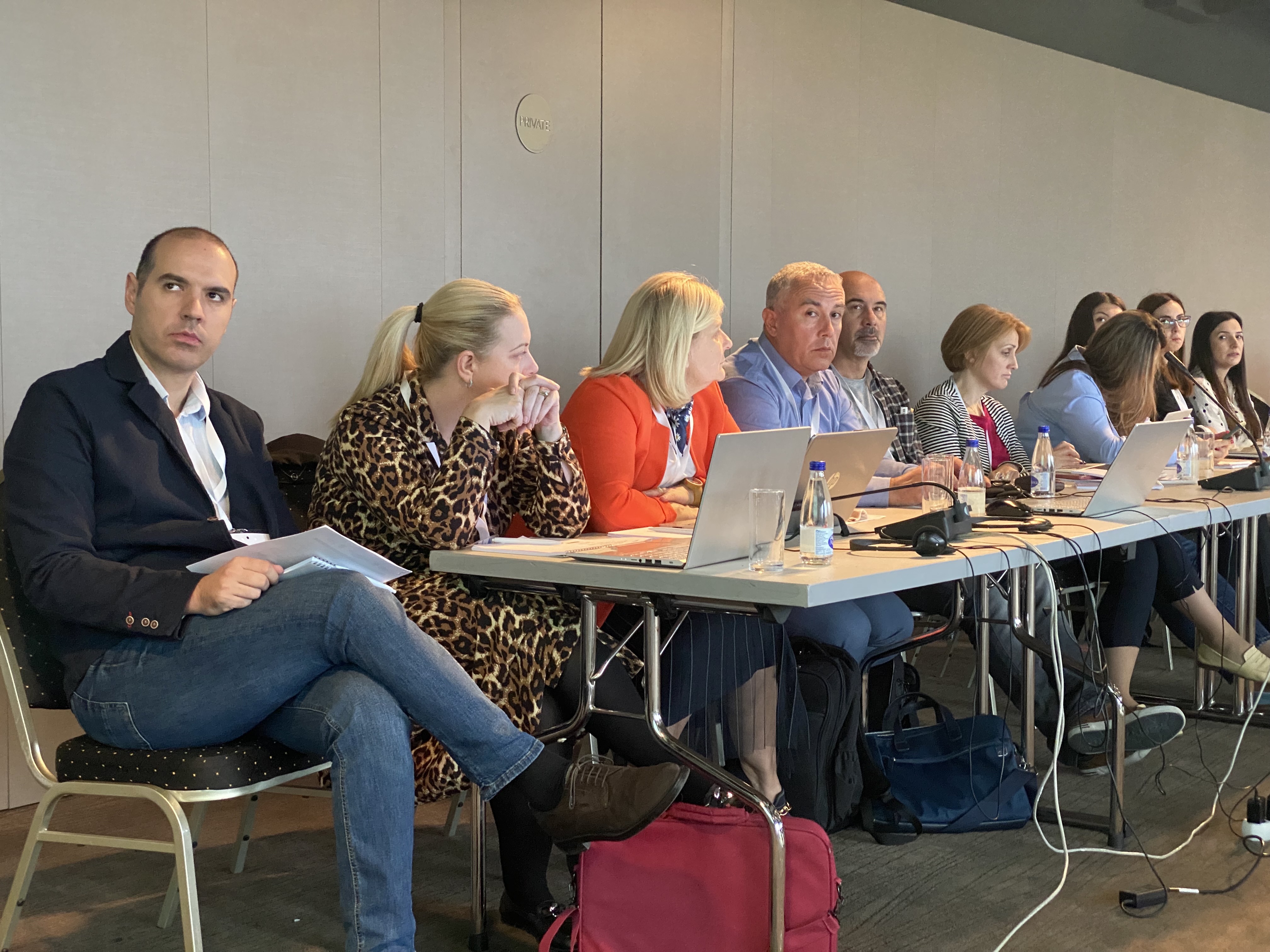
Second, strong intersectoral collaboration is indispensable. Regular communication between environment, health, waste management, custom and statistical institutions ensures that inventories are not merely static technical documents, but are applied in practice across all relevant government functions. This is bolstered by a multi-step, systematic approach to data collection using the Tier 1, 2 and 3 methodologies, which ensures that inventories are based on real, verifiable and measurable data.
Finally, Montenegro emphasizes the value of regional and international knowledge exchange. Many countries face nearly identical challenges when managing complex substances like SCCPs or HBCD. Sharing methodologies and practical solutions between countries significantly facilitates the risk assessment process and allows limited resources to be used most efficiently.
The NIP is a high-level strategic document reflecting countries’ commitment and evolution on POPs management. Montenegro’s third NIP update serves as a compelling example of how a small country can build ambitious, long-term systems by combining rigorous inventories, institutional coordination and regulatory persistence. By integrating systematic monitoring and strict legislative alignment with EU standards, Montenegro is creating a solid foundation for a safer future.