About this Discussion

Women play a critical role in sustaining communities and managing natural resources, but their contributions are often undervalued and neglected. Women are also more likely than men to live in poverty, and they are more vulnerable to the impacts of climate change and other environmental hazards, especially in developing countries. Because women tend to be more vulnerable to the impacts of natural resource degradation than men, environmental protection and green policies can help improve gender equality, with many economic and social co-benefits.

Numerous studies indicate that improving gender equality and women’s participation in the workforce can have a positive impact on economic growth. It can also enhance productivity, improve development outcomes for future generations, and increase the quality of societal policies and institutions, including more representative decision-making.

Achieving gender equality is so important that it is one of the 17 UN Sustainable Development Goals, which aims to redress the disproportionate impact on women and girls of economic, social and environmental shocks and views women as central actors, recognizing that their knowledge and collective action can improve resource productivity and encourage the sustainable use of natural resources. 

To ensure a just transition towards green economies, it’s also critical to maximize social co-benefits and embed inclusion, which means ensuring that all—across gender, age, income levels, geographies—have access to opportunities and can participate meaningfully in this sustainable economy. This notably includes inclusive circular economy and just transitions policies, supporting integration of informal workers, empowering women and youth, and strengthening small enterprises and community actors.

This community discussion aims to explore how we can ensure gender and social inclusion and equitable access to its benefits, such as employment, entrepreneurship opportunities, and participation in inclusive value chains.

Upcoming Events

Gender and Social Inclusion

A post is already pinned to this stream. Would you like to replace it?

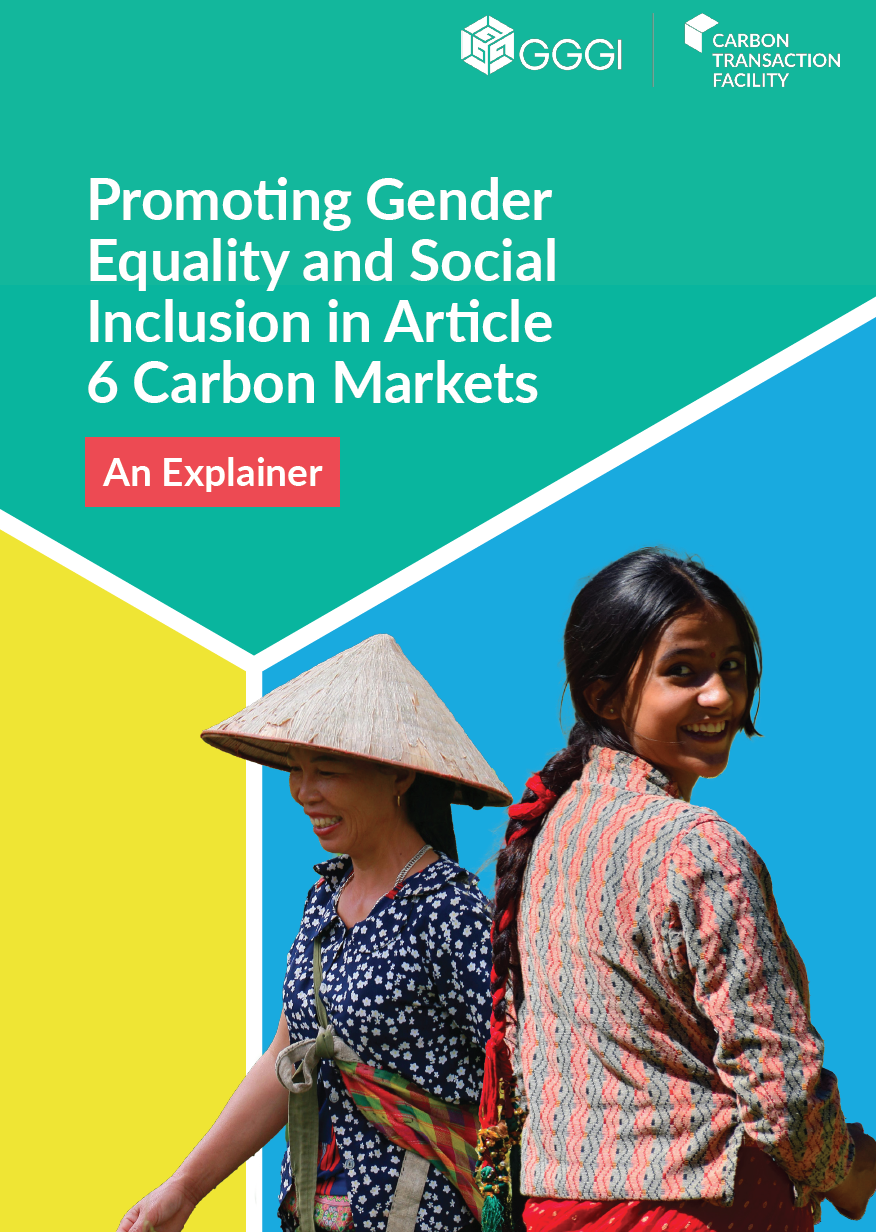
New resource on Gender Equality and Social Inclusion in Article 6 Carbon Markets

How can carbon markets help deliver not only stronger climate mitigation but also more equitable and inclusive outcomes?

This explainer produced by the Global Green Growth Institute provides a high-level overview of how carbon finance under Article 6 of the Paris Agreement can support climate ambition while advancing gender equality and social inclusion (GESI). It highlights key considerations for designing carbon market approaches that ensure benefits are shared more fairly and that diverse stakeholders, particularly women and marginalized groups, are meaningfully included.

Read More

https://gggi.org/report/promoting-gender-equality-and-social-inclusion-in-article-6-carbon-markets-a...
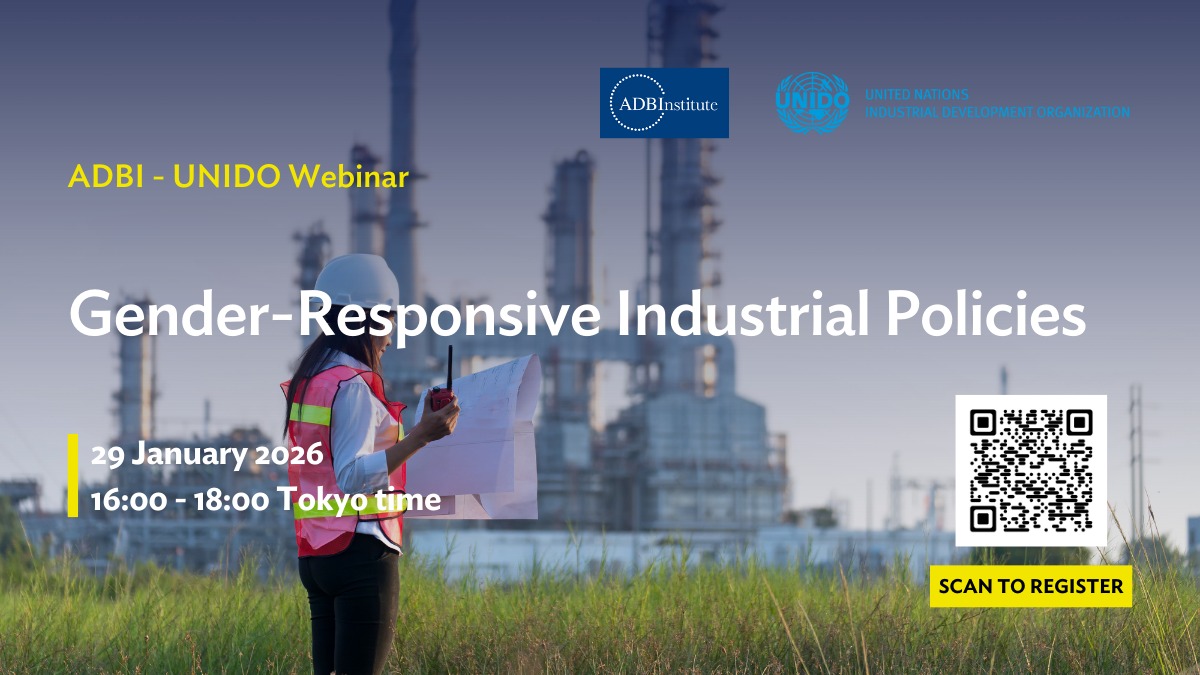
United Nations Industrial Development Organization(UNIDO), Asian Development Bank Institute(ADBI)

Sharing the details of this ADBI-UNIDO Webinar on Gender-Responsive Industrial Policies: Governments increasingly rely on industrial policies to stimulate domestic growth while responding to economic, social, and environmental challenges. Integrating gender equality and women’s economic… Read More

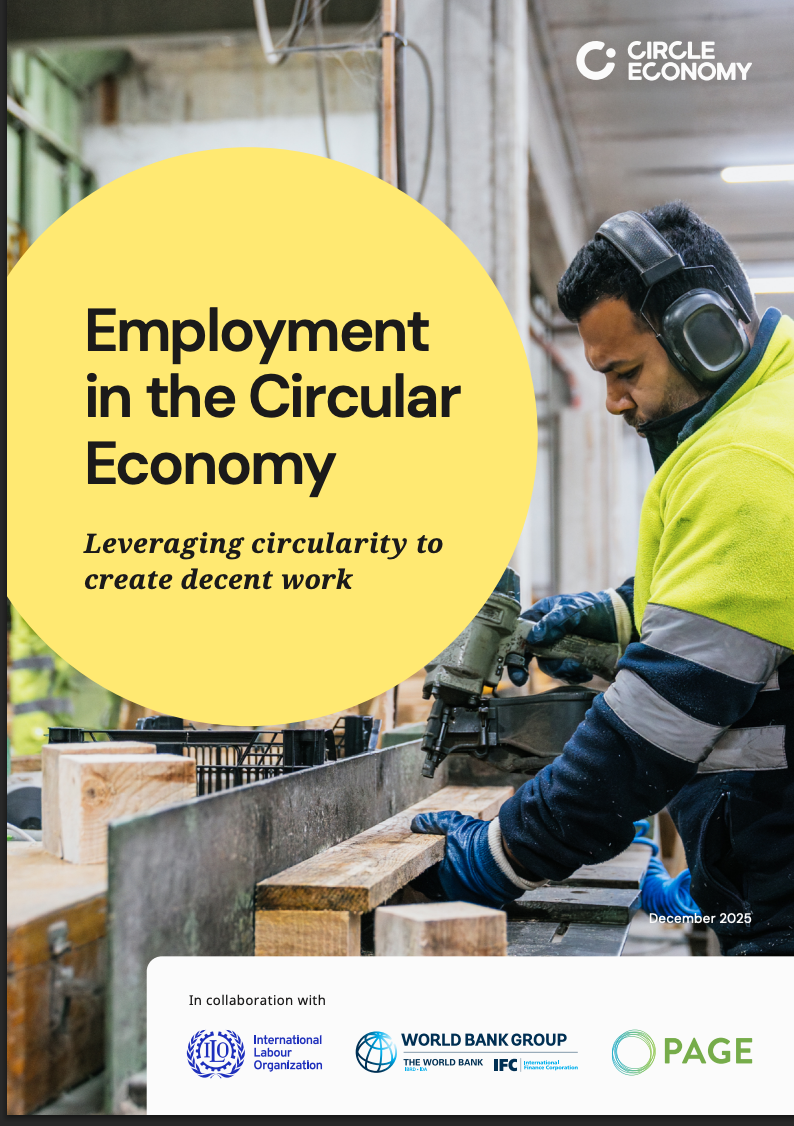
This comprehensive global report delivers the first estimate of employment in the circular economy, covering 177 countries and capturing jobs across both formal and informal economies.

Developed over three years by Circle Economy, in collaboration with the International Labour Organization and the World Bank Group, and supported by PAGE, the study provides robust data and policy insights to help decision-makers leverage circularity for decent work.

Read More

https://www.greenpolicyplatform.org/research/employment-circular-economy-leveraging-circularity-crea...

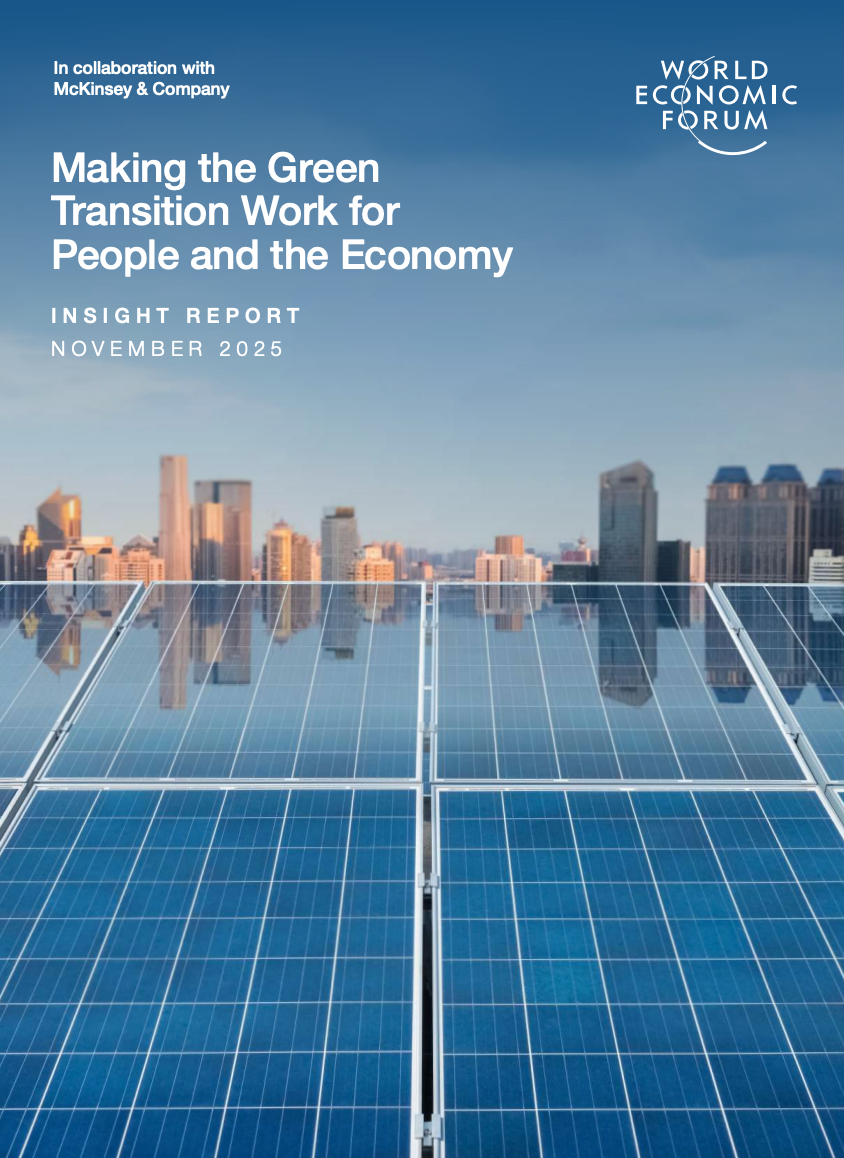
As the global economy faces inflation, supply chain disruptions, and rising inequality, climate ambition is under pressure. 

A green economy is one that delivers growth and prosperity while reducing environmental risks and ensuring social inclusion.

According to the World Economic Forum, 37% of businesses cite high energy and commodity costs as a barrier to competitive green models, while over half worry about affordability for consumers.

Making the Green Transition Work for People and the Economy shows how aligning climate action with economic and social realities is key to sustaining momentum—grounded in business sentiment, global trends, and practical insights for managing socioeconomic risks and opportunities.

Read More

https://www.greenpolicyplatform.org/research/making-green-transition-work-people-and-economy

Sharing this IRENA knowledge product with the Green Forum community:
The global shift to renewable energy is vital for cutting emissions and, with the right policies, can also improve livelihoods, create jobs, expand opportunity, and strengthen energy security.

This second edition updates IRENA’s 2019 assessment of women’s roles in the renewable energy sector, drawing on a global survey to highlight participation trends, key barriers, and the actions needed to enable women’s full inclusion.

The findings reinforce a powerful message: gender equity is both just and essential — the energy transition cannot succeed without half the world at the table.

Read More

https://www.greenpolicyplatform.org/research/renewable-energy-gender-perspective-0
Ashley Gurupira commented on Ashley Gurupira's Post in Gender and Social Inclusion

Don’t miss out

fgh f

"Join the Clean Energy Ministerial's Empowering People Initiative for the first webinar in our new series, co-hosted with Tara Climate Foundation and led by experts in the skills and workforce space.

As the Southeast Asian region accelerates toward a green economy, the demand for new skills, stronger institutions, and cross-sector collaboration has never been greater. This series brings together government leaders, academia, training organisations, accreditation bodies, and global experts to exchange best practices, unlock global resources, and build a more sustainable, resilient, and inclusive future.

🔍 Highlights of this Kick-off Session include:

💠 𝗘𝗣𝗜 𝘁𝗼𝗼𝗹𝘀 𝗮𝗻𝗱 𝗿𝗲𝘀𝗼𝘂𝗿𝗰𝗲𝘀 𝘆𝗼𝘂 𝗰𝗮𝗻 𝘂𝘀𝗲 𝗻𝗼𝘄 to drive green skilling, just transitions, and regulatory alignment.

💠 𝗔 𝗱𝗲𝗲𝗽 𝗱𝗶𝘃𝗲 𝗶𝗻𝘁𝗼 𝗦𝗘𝗔’𝘀 𝗰𝗹𝗲𝗮𝗻 𝗲𝗻𝗲𝗿𝗴𝘆 𝗹𝗮𝗻𝗱𝘀𝗰𝗮𝗽𝗲, highlighting where countries are gaining ground, where critical skill gaps remain, and how regional collaboration can accelerate progress.

💠 𝗔𝗰𝘁𝗶𝗼𝗻𝗮𝗯𝗹𝗲 𝗶𝗻𝘀𝗶𝗴𝗵𝘁𝘀 𝗳𝗼𝗿 𝗽𝗼𝗹𝗶𝗰𝘆𝗺𝗮𝗸𝗲𝗿𝘀 𝗮𝗻𝗱 𝗽𝗿𝗮𝗰𝘁𝗶𝘁𝗶𝗼𝗻𝗲𝗿𝘀 drawn from global best practices in workforce readiness and sustainable development.

💠 𝗢𝗽𝗽𝗼𝗿𝘁𝘂𝗻𝗶𝘁𝗶𝗲𝘀 𝘁𝗼 𝗰𝗼𝗻𝗻𝗲𝗰𝘁 𝘄𝗶𝘁𝗵 𝗮 𝗴𝗿𝗼𝘄𝗶𝗻𝗴 𝗿𝗲𝗴𝗶𝗼𝗻𝗮𝗹 𝗻𝗲𝘁𝘄𝗼𝗿𝗸 of youth leaders, educators, industry actors, and government champions committed to equitable and future-proof workforce ecosystems.

Be part of the conversation and discover how EPI and partners are driving equitable, workforce-ready energy transitions across the Southeast region.

📅 𝟭𝟬 𝗗𝗲𝗰𝗲𝗺𝗯𝗲𝗿 | 6:00-7:00 𝗮.𝗺. 𝗘𝗮𝘀𝘁𝗲𝗿𝗻 𝗧𝗶𝗺𝗲 (𝗡𝗲𝘄 𝗬𝗼𝗿𝗸) | 12:00-1:00 𝗽.𝗺. 𝗖𝗘𝗧 (𝗣𝗮𝗿𝗶𝘀) | 6:00-7:00 𝗽.𝗺. 𝗜𝗖𝗧 (𝗕𝗮𝗻𝗴𝗸𝗼𝗸)

Register to attend at https://www.cleanenergyministerial.org/events/webinar-1-enhancing-livelihoods-and-creating-workforce-readiness-for-clean-energy-and-sustainable-transformations-in-southeast-asia-and-globally/ and receive resources after the event.

This post is shared by the U.S. Partnership for Education for Sustainable Development

Read More

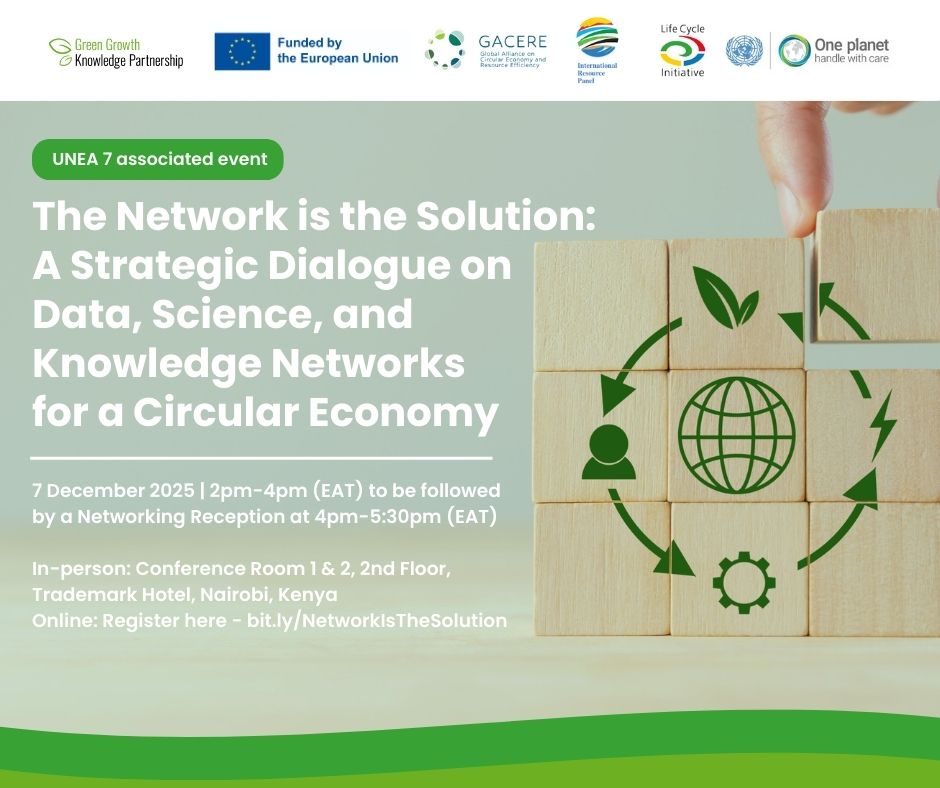
Dear colleagues,
This event may be of interest to those working on circular economy projects.

📅 7 December 2025
🕒 2:00 PM – 4:00 PM (EAT)
📍 In-Person Venue: Conference Room 1 & 2, 2nd Floor, Trademark Hotel, Nairobi, Kenya
💻 Online Participation: Register here.

We are pleased to invite you to our UNEA-7 associated event, The Network is the Solution: A Strategic Dialogue on Data, Science, and Knowledge Networks for a Circular Economy. This session will ...

Read More

For Linked
📣 Save the date!

Join the Clean Energy Ministerial Empowering People Initative for the first webinar in our new series, Enhancing Livelihoods and Creating Workforce Readiness for Clean Energy and Sustainable Transformations in Southeast Asia and Globally, co-hosted with Tara Climate Foundation and led by experts in the skills and workforce space.

As the Southeast Asian region accelerates toward a green economy, the demand for new skills, stronger institutions, and cross-sector collaboration has never been greater. This series brings together government leaders, academia, training organisations, accreditation bodies, and global experts to exchange best practices, unlock global resources, and build a more sustainable, resilient, and inclusive future.

🔍 Highlights of this Kick-off Session include:

💠 𝗘𝗣𝗜 𝘁𝗼𝗼𝗹𝘀 𝗮𝗻𝗱 𝗿𝗲𝘀𝗼𝘂𝗿𝗰𝗲𝘀 𝘆𝗼𝘂 𝗰𝗮𝗻 𝘂𝘀𝗲 𝗻𝗼𝘄 to drive green skilling, just transitions, and regulatory alignment.

💠 𝗔 𝗱𝗲𝗲𝗽 𝗱𝗶𝘃𝗲 𝗶𝗻𝘁𝗼 𝗦𝗘𝗔’𝘀 𝗰𝗹𝗲𝗮𝗻 𝗲𝗻𝗲𝗿𝗴𝘆 𝗹𝗮𝗻𝗱𝘀𝗰𝗮𝗽𝗲, highlighting where countries are gaining ground, where critical skill gaps remain, and how regional collaboration can accelerate progress.

💠 𝗔𝗰𝘁𝗶𝗼𝗻𝗮𝗯𝗹𝗲 𝗶𝗻𝘀𝗶𝗴𝗵𝘁𝘀 𝗳𝗼𝗿 𝗽𝗼𝗹𝗶𝗰𝘆𝗺𝗮𝗸𝗲𝗿𝘀 𝗮𝗻𝗱 𝗽𝗿𝗮𝗰𝘁𝗶𝘁𝗶𝗼𝗻𝗲𝗿𝘀 drawn from global best practices in workforce readiness and sustainable development.

💠 𝗢𝗽𝗽𝗼𝗿𝘁𝘂𝗻𝗶𝘁𝗶𝗲𝘀 𝘁𝗼 𝗰𝗼𝗻𝗻𝗲𝗰𝘁 𝘄𝗶𝘁𝗵 𝗮 𝗴𝗿𝗼𝘄𝗶𝗻𝗴 𝗿𝗲𝗴𝗶𝗼𝗻𝗮𝗹 𝗻𝗲𝘁𝘄𝗼𝗿𝗸 of youth leaders, educators, industry actors, and government champions committed to equitable and future-proof workforce ecosystems.

Be part of the conversation and discover how EPI and partners are driving equitable, workforce-ready energy transitions across the Southeast region.

📅 𝟭𝟬 𝗗𝗲𝗰𝗲𝗺𝗯𝗲𝗿 | 𝟴:𝟬𝟬-𝟵:𝟬𝟬 𝗮.𝗺. 𝗘𝗮𝘀𝘁𝗲𝗿𝗻 𝗧𝗶𝗺𝗲 (𝗡𝗲𝘄 𝗬𝗼𝗿𝗸) | 𝟮:𝟬𝟬-𝟯:𝟬𝟬 𝗽.𝗺. 𝗖𝗘𝗧 (𝗣𝗮𝗿𝗶𝘀) | 𝟴:𝟬𝟬-𝟵:𝟬𝟬 𝗽.𝗺. 𝗜𝗖𝗧 (𝗕𝗮𝗻𝗴𝗸𝗼𝗸)

See the agenda ➡️ https://lnkd.in/gwWZdaW8

Register to attend ➡️ https://lnkd.in/g9VUBebA.
*This post is shared by the U.S. Partnership for Education for Sustainable Development*"

fgh f

📣 Save the date!

Join the Clean Energy Ministerial Empowering People Initative for the first webinar in our new series, Enhancing Livelihoods and Creating Workforce Readiness for Clean Energy and Sustainable Transformations in Southeast Asia and Globally, co-hosted with Tara Climate Foundation and led by experts in the skills and workforce space.

As the Southeast Asian region accelerates toward a green economy, the demand for new skills, stronger institutions, and cross-sector collaboration has never been greater. This series brings together government leaders, academia, training organisations, accreditation bodies, and global experts to exchange best practices, unlock global resources, and build a more sustainable, resilient, and inclusive future.

🔍 Highlights of this Kick-off Session include:

💠 𝗘𝗣𝗜 𝘁𝗼𝗼𝗹𝘀 𝗮𝗻𝗱 𝗿𝗲𝘀𝗼𝘂𝗿𝗰𝗲𝘀 𝘆𝗼𝘂 𝗰𝗮𝗻 𝘂𝘀𝗲 𝗻𝗼𝘄 to drive green skilling, just transitions, and regulatory alignment.

💠 𝗔 𝗱𝗲𝗲𝗽 𝗱𝗶𝘃𝗲 𝗶𝗻𝘁𝗼 𝗦𝗘𝗔’𝘀 𝗰𝗹𝗲𝗮𝗻 𝗲𝗻𝗲𝗿𝗴𝘆 𝗹𝗮𝗻𝗱𝘀𝗰𝗮𝗽𝗲, highlighting where countries are gaining ground, where critical skill gaps remain, and how regional collaboration can accelerate progress.

💠 𝗔𝗰𝘁𝗶𝗼𝗻𝗮𝗯𝗹𝗲 𝗶𝗻𝘀𝗶𝗴𝗵𝘁𝘀 𝗳𝗼𝗿 𝗽𝗼𝗹𝗶𝗰𝘆𝗺𝗮𝗸𝗲𝗿𝘀 𝗮𝗻𝗱 𝗽𝗿𝗮𝗰𝘁𝗶𝘁𝗶𝗼𝗻𝗲𝗿𝘀 drawn from global best practices in workforce readiness and sustainable development.

💠 𝗢𝗽𝗽𝗼𝗿𝘁𝘂𝗻𝗶𝘁𝗶𝗲𝘀 𝘁𝗼 𝗰𝗼𝗻𝗻𝗲𝗰𝘁 𝘄𝗶𝘁𝗵 𝗮 𝗴𝗿𝗼𝘄𝗶𝗻𝗴 𝗿𝗲𝗴𝗶𝗼𝗻𝗮𝗹 𝗻𝗲𝘁𝘄𝗼𝗿𝗸 of youth leaders, educators, industry actors, and government champions committed to equitable and future-proof workforce ecosystems.

Be part of the conversation and discover how EPI and partners are driving equitable, workforce-ready energy transitions across the Southeast region.

📅 𝟭𝟬 𝗗𝗲𝗰𝗲𝗺𝗯𝗲𝗿 | 𝟴:𝟬𝟬-𝟵:𝟬𝟬 𝗮.𝗺. 𝗘𝗮𝘀𝘁𝗲𝗿𝗻 𝗧𝗶𝗺𝗲 (𝗡𝗲𝘄 𝗬𝗼𝗿𝗸) | 𝟮:𝟬𝟬-𝟯:𝟬𝟬 𝗽.𝗺. 𝗖𝗘𝗧 (𝗣𝗮𝗿𝗶𝘀) | 𝟴:𝟬𝟬-𝟵:𝟬𝟬 𝗽.𝗺. 𝗜𝗖𝗧 (𝗕𝗮𝗻𝗴𝗸𝗼𝗸)

See the agenda ➡️ https://lnkd.in/gwWZdaW8

Register to attend ➡️ https://lnkd.in/g9VUBebA.                      

*This post is shared by the U.S. Partnership for Education for Sustainable Development*"

Read More

https://lnkd.in/gwWZdaW8
Green Growth Knowledge Partnership(GGKP), United Nations Industrial Development Organization(UNIDO), The World Bank

 In case you missed it! Watch the recoding of our recent webinar, Scaling Community-Driven Circular Economy Solutions for Global Impact.Around the world, communities are turning waste into opportunity – creating green jobs, reducing emissions and building local resilience. Read More

"Join IIED and partners for an online event on 14 October to launch a landmark economic assessment showing that early action through social protection delivers far better returns on investment than reactive humanitarian response. Early action through social protection offers one of the most effective ways to build climate resilience – protecting vulnerable households before disasters strike and reducing the cost of response. During this event, government partners will share how ASPIRE roadmaps are shaping proposals for the Fund for Responding to Loss and Damage (FRLD), while funders and partners will discuss how to scale this approach and align national action with global processes. Register now at https://www.eventbrite.co.uk/e/how-early-action-through-social-protecti… for this online event on October 14 from 7 to 8:30 am ET. *This post is shared by the U.S. Partnership for Education for Sustainable Development*"

Read More

https://www.eventbrite.co.uk/e/how-early-action-through-social-protection-builds-climate-resilience-...