This the virtual collaboration space for the Implementing Sustainable Low and Non-Chemical Development in Small Island States (ISLANDS) Programme. ISLANDS supports thirty-three Small Island Developing States (SIDS) in the Caribbean, Pacific and Indian Ocean to pursue safe chemical development pathways.

Upcoming Events

ISLANDS: Implementing Sustainable Low and Non-Chemical Development in Small Island States

Pinned post
Green Growth Knowledge Partnership(GGKP)

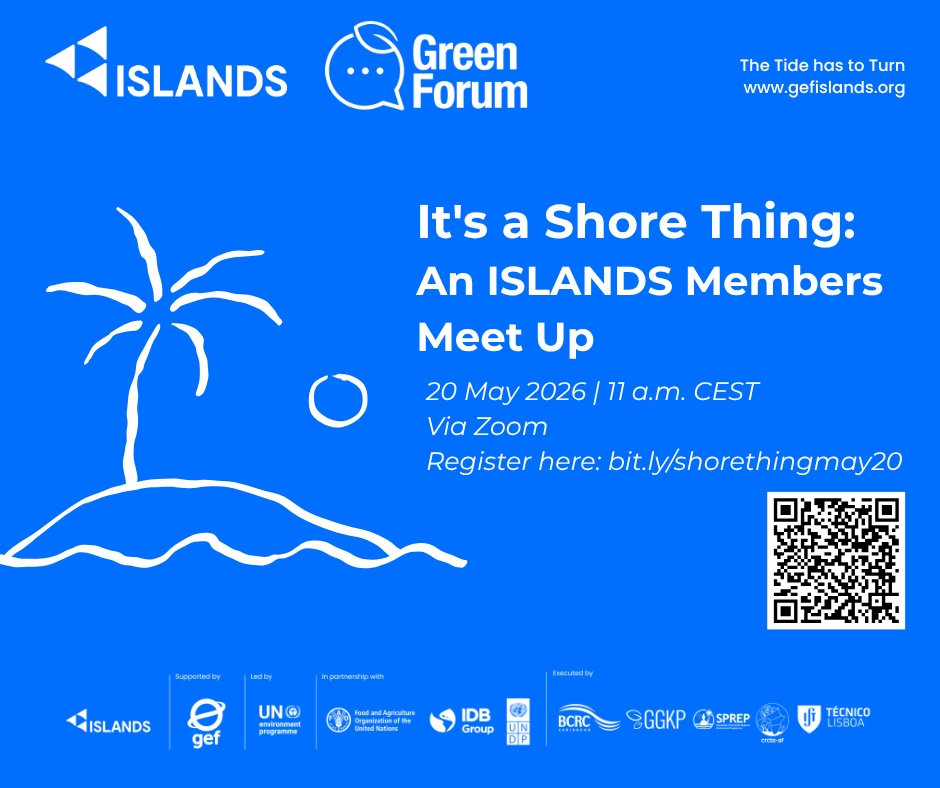
You're invited to the first community gathering of ISLANDS this 2026 --It’s A Shore Thing: An ISLANDS Community Members Meet Up  Join us for a virtual coffee and tea on Wednesday, 20 May, at 11 a.m. Read More

A post is already pinned to this stream. Would you like to replace it?
Major Group for Children and Youth

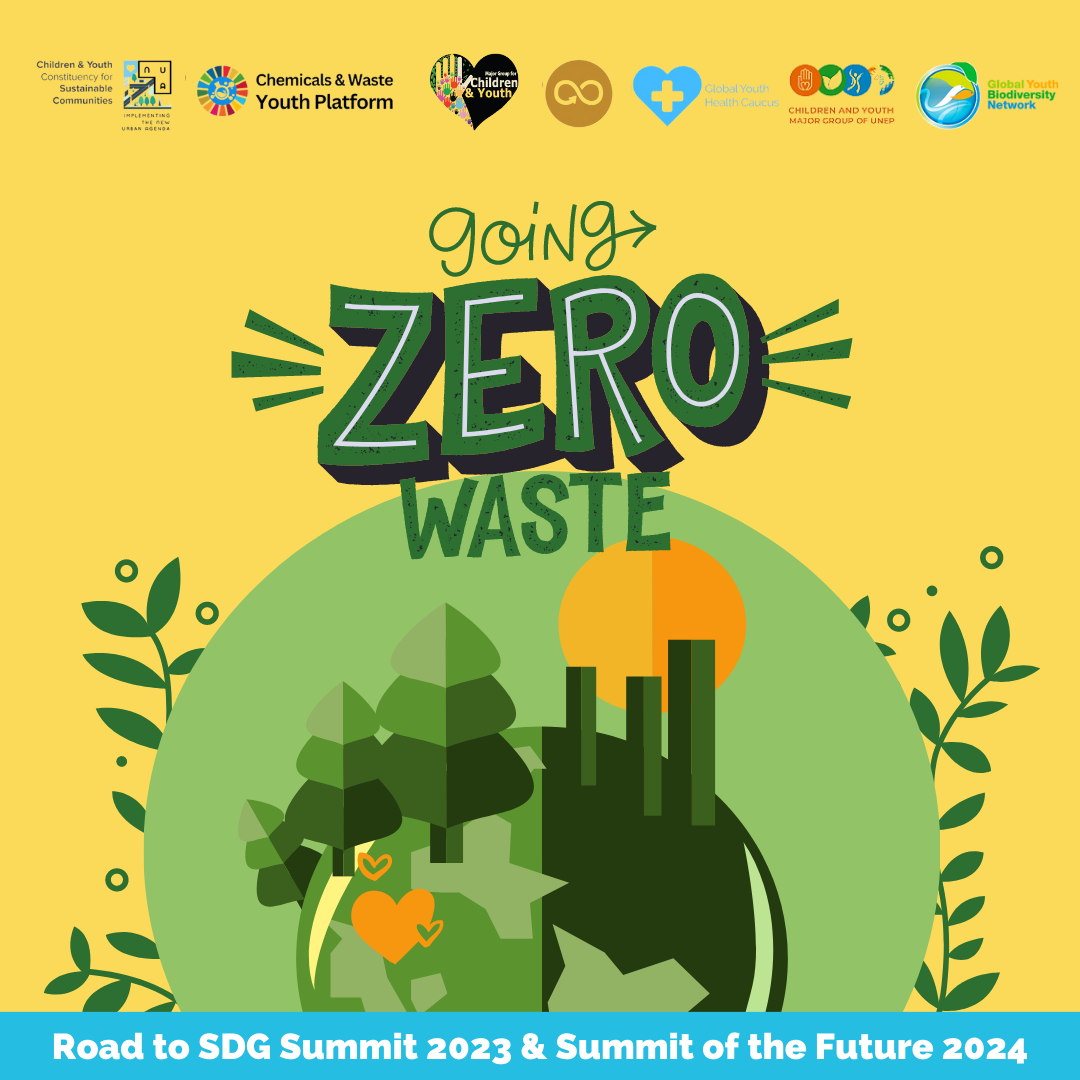
On 14 December 2022, the United Nations General Assembly (UNGA) adopted a resolution at its seventy-seventh session to proclaim 30 March as International Day of Zero Waste, to be observed annually. Read More

UN Environment Programme- UNEP

The International Day of Zero Waste aims to promote sustainable consumption and production patterns and raise awareness about how zero-waste initiatives contribute to the advancement of the 2030 Agenda for Sustainable Development. Humanity generates an estimated 2.24 billion… Read More

Nominations are open for UNEP’s Champions of the Earth Award 2023. This is a great showcase for all the innovations, solutions, actions and initiatives that individuals, organizations and governments are working on top combat some of the most serious issues facing our planet today. This year the focus is on Beating Plastic Pollution. Take a look at the website, learn about the past winners and perhaps even nominate a champion yourself!

Read More

https://www.unep.org/championsofearth/?_ga=2.14797494.1427581229.1679318036-355426357.1677170078
Pacific Recycling Foundation

The Pacific Recycling Foundation is excited to bring together a diverse group of individuals for the “Roundtable on Mindset & Behavior towards Recycling” which will touch on critical aspects of waste management in Fiji including struggles and challenges faced by recycling advocates in Fiji.… Read More

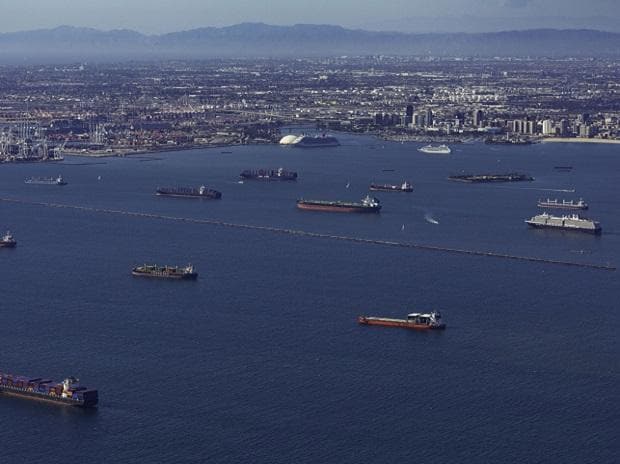
When it comes to humanity’s relationship with the climate, it has become clear that every person has to do something to reduce the harm we are doing to the Earth. From the smallest gesture in our homes like using a reusable shopping bag to innovations with some of the largest moving objects ever built – such as container ships. It may surprise some to learn that international cargo and container shipping is responsible for 3% of global greenhouse gas emissions – equal to the total emissions of Japan, a major industrialized economy.

Take a look at this article from William Ralston at Bloomberg, published on business-standard.com, outlining how the shipping industry is trying to clean up its act. If efforts like this are taken across sectors with all of us doing what we can to reduce our own polluting footprint, the tide will start to turn on global pollution.

Read More

https://www.business-standard.com/article/international/how-shipping-industry-is-trying-to-clean-up-...

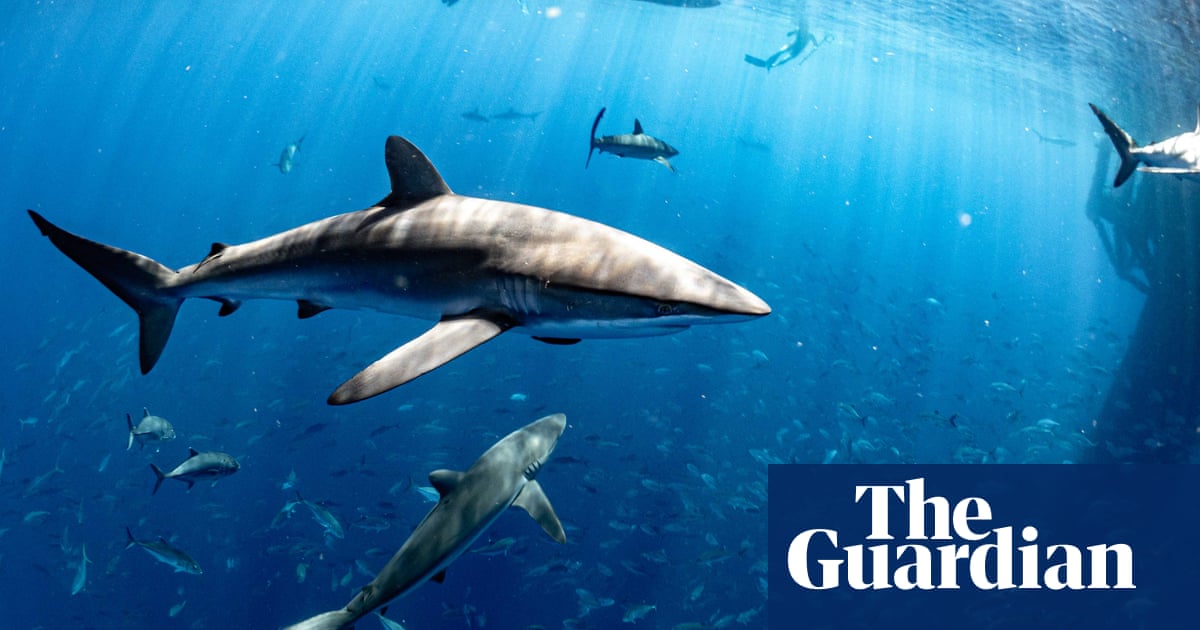
After 20 years - UN member states have agreed a landmark decision to protect the high seas - areas beyond national jurisdiction. This is hugely positive for Small land, large ocean states. More information in the Guardian article.

Read More

https://www.theguardian.com/environment/2023/mar/05/high-seas-treaty-agreement-to-protect-internatio...

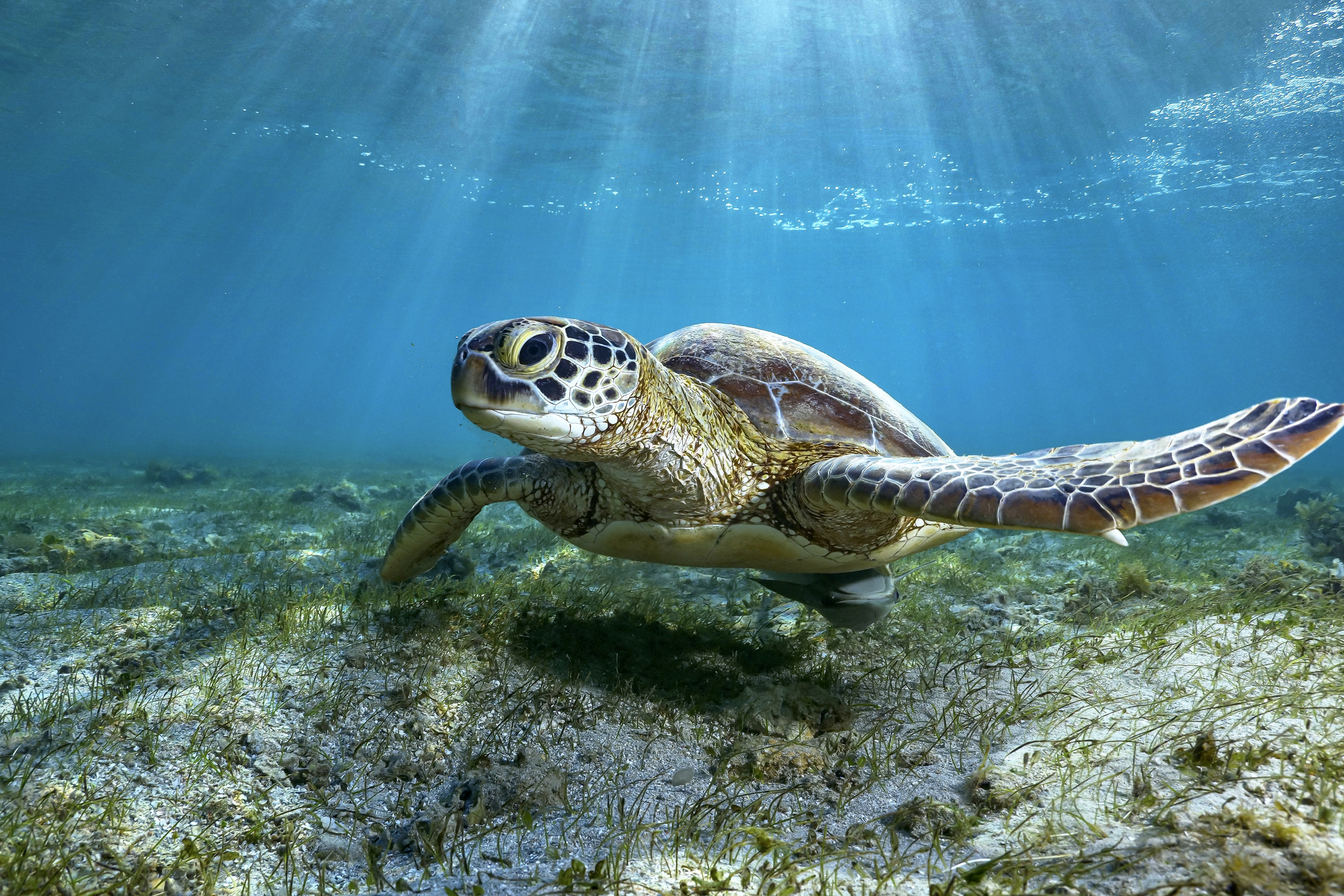
UNEP.org is leading with a story today from Comoros on Small Island Developing States (SIDS) and their fight back against nature loss and climate change. Many SIDS are facing challenges from rising sea levels, while also suffering from a huge increase in marine litter and other pollutants generated by the disposal of a multitude of imported products on land.

The ISLANDS Programme will have its Inception Meeting in Comoros soon and will assist Comoros and other SIDS in the Indian Ocean region (Maldives, Mauritius and Seychelles) to reduce and sustainably manage hazardous waste and the toxic chemicals that can be released from a range of products and materials if improperly disposed of.

Read More

https://www.unep.org/news-and-stories/story/small-island-states-fight-back-against-nature-loss-clima...

An in-depth journal on the e-waste generation in the Caribbean SIDS, their place against the global trend in e-waste generation, SIDS-specific obstacles in setting up waste management systems, and more interesting figures & indicators.

The paper uses a dynamic material flow analysis (MFA) approach to estimate the flows and stocks of the 10 main e-waste categories across 5 Caribbean SIDS which are Aruba, Barbados, Grenada, Jamaica, and Trinidad and Tobago. While merely representing 11% of the Caribbean population and 7% of the Caribbean land area, they produced the double the e-waste per capita per year compared to the global average, and has been estimated to record a rising number of e-waste generated per year; from 27,500 tonnes in 2010 to around 59,000 tonnes in 2025.

With systemic challenges lying in setting up waste management in SIDS, such as lack of available land and financing measures, vulnerability extreme weathers, higher operational expenditures, small market sizes and more, there are also challenges in terms of data retrieval because the Caribbean lacks baseline data to the annual quantity of electrical and electronic equipment (EEE) consumption and the corresponding amount e-waste generated. Trinidad and Tobago was also estimated to face higher pressure to deal with the e-waste generation among the 5 countries monitored.

With the amount of 10 main e-waste types (e.g., household appliances, IT equipment, lighting equipment, etc.) growing and eventually taking up majority of the EEE put-on-market (consumed) which also has been saturated from 2017, the article calls for a transition from the current linear take- make- waste economy to a Circular Economy, closing the loops through recycling, reuse, refurbishment, and remanufacturing.

Read More

https://www.sciencedirect.com/science/article/pii/S0921344920304237

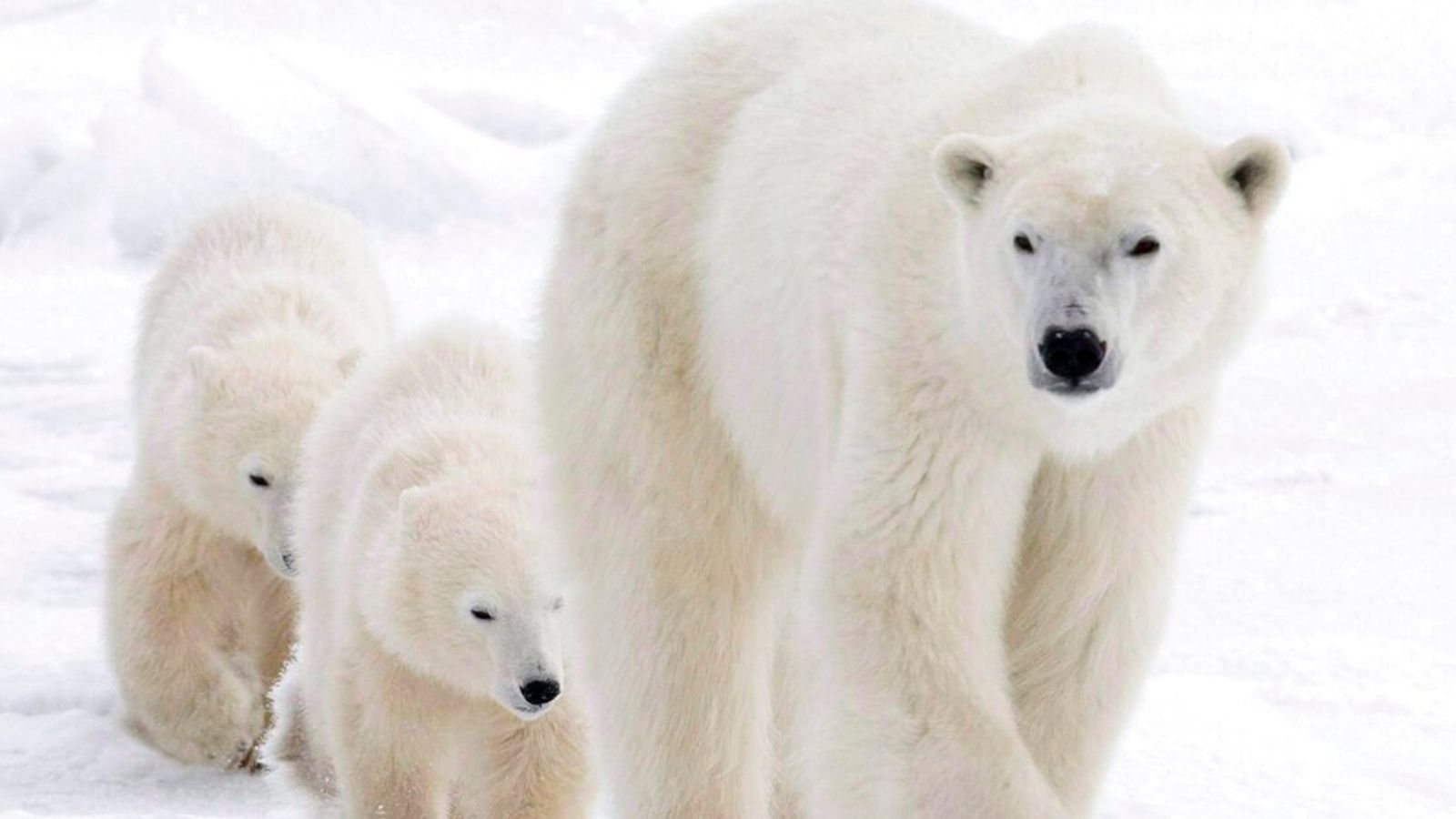
Big story on Sky News by James Robinson today about ‘forever chemicals’ being found in 330 species across the world from polar bears to monkeys. It can be a bit frightening to really understand the scale of the pollution problems we face. But we have to look, we have to see, and we have to act.

And reducing the exposure to forever chemicals, also known as POPS or Persistent Organic Pollutants, is at the heart of UNEP’s ISLANDS Programme, working in 33 SIDS around the world to reduce the presence of, and damage caused by, these toxic chemicals.

Read More

https://news.sky.com/story/forever-chemicals-found-in-more-than-330-species-of-wildlife-study-128176...

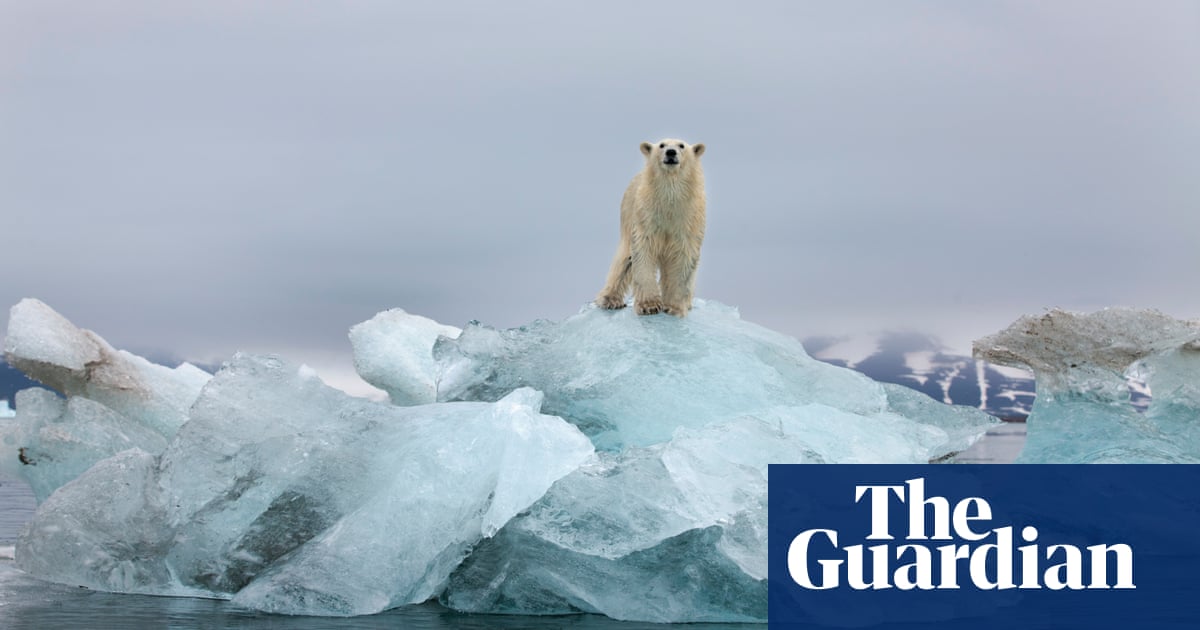
Alarming levels of PFAS found in the Norwegian Arctic ice pose new risk to wildlife

Nearly every human activity leaves behind some kind of waste in the environment, and some of this waste contains toxic chemicals. PFAS are a class of about 12,000 chemicals often used to make products resist water, stains and heat. They are POPs (Persistent Organic Pollutants) because they do not naturally break down, and they are linked to cancer, liver disease, kidney stress, fetal complications and other serious health problems. They are regulated under the Stockholm Convention.

ISLANDS aims to provide support to SIDS in improving chemicals and waste management in line with international commitments and national plans. For example, in the Caribbean we work to introduce sustainable alternatives to PFAS, POP-PBDEs, PCBs and other chemicals - to ultimately protect people and the environment.

Read More

https://www.theguardian.com/environment/2023/feb/11/pfas-norwegian-arctic-ice-wildlife-risk-stressor