Upcoming Events

Financing Agrochemical Reduction and Management (FARM)

A post is already pinned to this stream. Would you like to replace it?

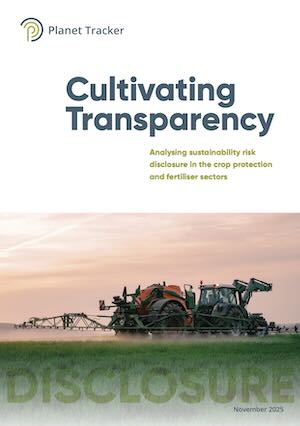
Cultivating Transparency: Analysing Sustainability Risk Disclosure in the Crop Protection and Fertiliser Sectors

A new report by Planet Tracker

Fertiliser and crop protection companies are central to global food production. However, there is growing recognition that the sector is exposed to a range of sustainability related risks. These range from water pollution and eutrophication to biodiversity impacts, greenhouse gas emissions and toxic impacts on human health. These risks are attracting increased regulatory scrutiny, reputational risk and consumer pressure.

In this report, Planet Tracker used large language models to analyse over 1,900 public documents from 20 of the largest fertiliser and crop protection producers globally assessing how effectively they disclose sustainability-related risks to investors and other stakeholders.

Key findings:

Disclosure varies widely across risk areas.

Water pollution is well covered, but issues like eutrophication and soil fertility are often overlooked.

More immediate or tangible risks, such as those linked to litigation or regulation, are discussed more consistently than longer-term or less tangible risks.


Read More

https://planet-tracker.org/cultivating-transparency-analysing-sustainability-risk-disclosure-in-the-...
Sarthak Pandey commented on Sarthak Pandey's Post in Financing Agrochemical Reduction and Management (FARM)
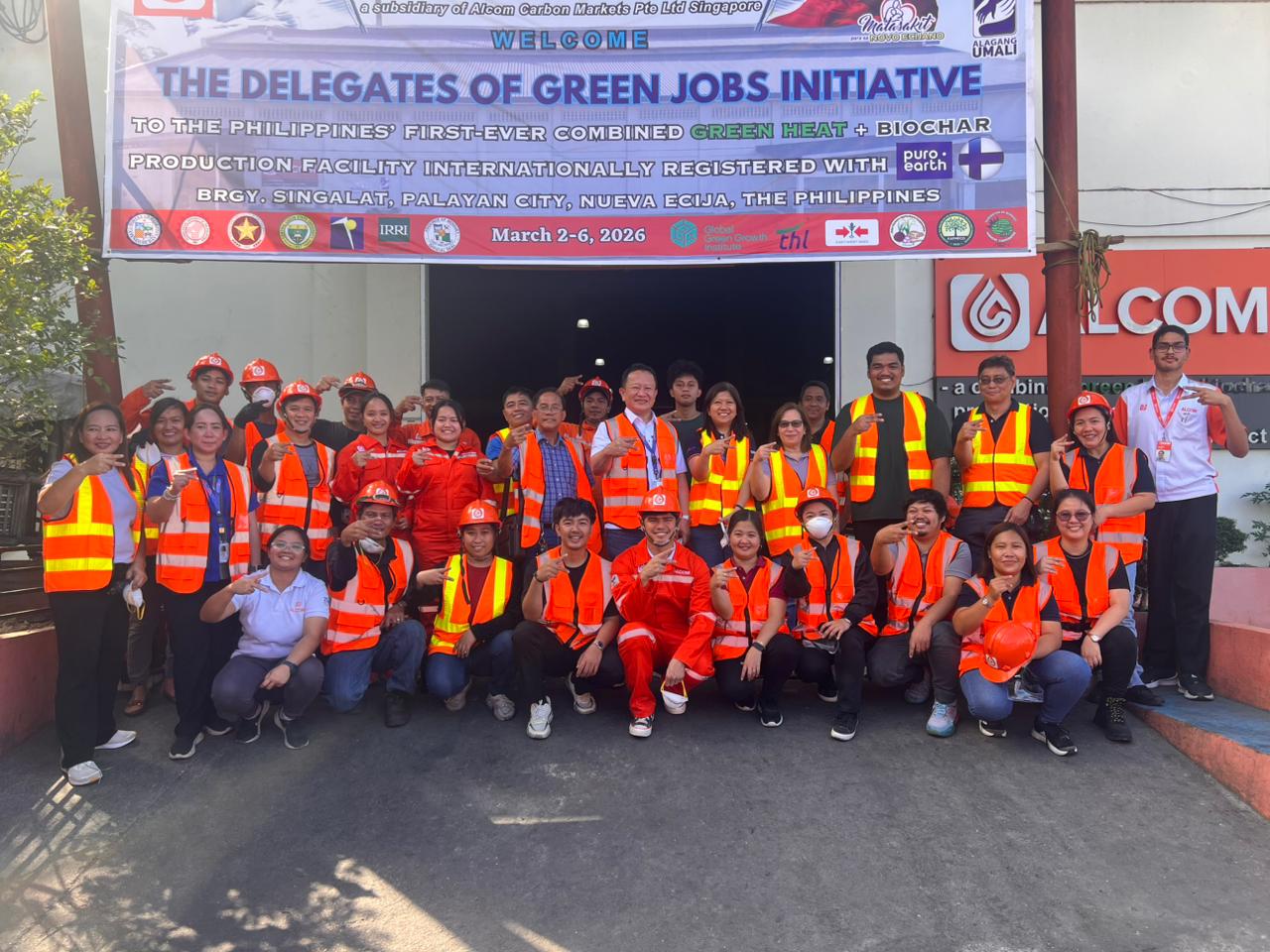
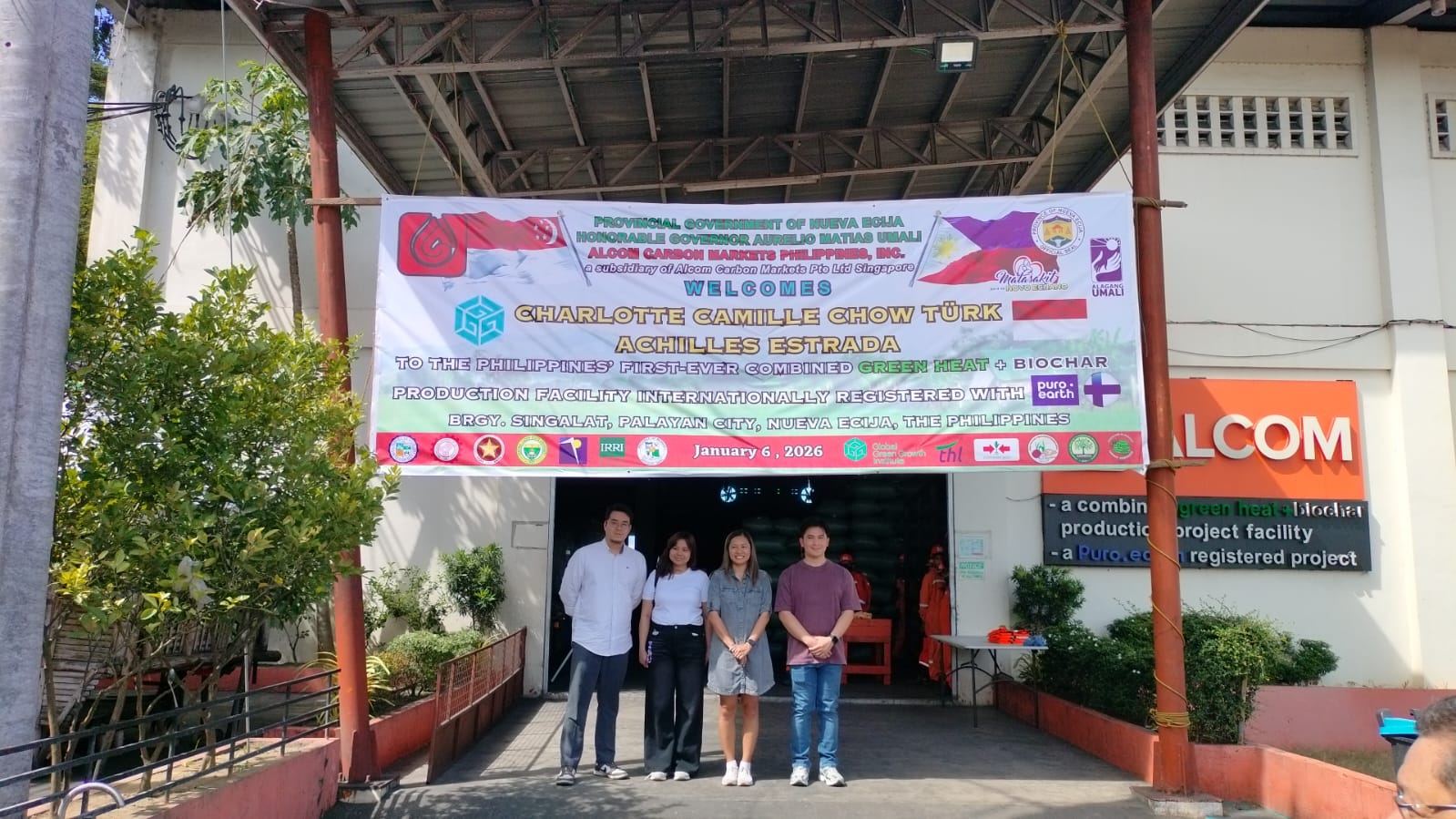
Representatives from GGGI Indonesia and the Philippines visited ALCOM’s biochar production and biofertilizer processing facilities to review operational processes and assess investment prospects. The visit focused on how biochar and organic inputs are produced, integrated, and applied to support fertiliser reduction, soil health improvement, and low-carbon farming systems. Discussions covered scalability, on-ground implementation, and alignment with national climate and agricultural goals, highlighting practical pathways for sustainable agrochemical reduction and climate-smart agriculture under the FARM framework.


@Marcel Silvius , Achilles Voltaire Estrada , @Charlotte Camille 

Read More

Sharing this case study from Brazil: it shows how degraded soil (potentially from pesticide overuse) affects financial vulnerability along value chain, as a result of extreme weather. 

This demonstrates how climate change-biodiversity-pollution nexus can operate.

Read More

https://www.cisl.cam.ac.uk/files/robeco-cisl_nature-related_financial_risk_use_case_-_land_degradati...

This blog post is based on the remarks of Lars Neumeister (International Pesticides Expert) during the Global Green Growth Knowledge Partnership (GGKP) round table “Activity Options for Action Plans on the Management and Elimination of PCBs and POP Pesticides” held on 16 December 2025.


Substitution: Rethinking Action Plans for POPs Pesticides and Highly Hazardous Pesticides

Efforts to eliminate Persistent Organic Pollutant (POP) pesticides and Highly Hazardous Pesticides (...

Read More

Sarthak Pandey commented on Sarthak Pandey's Post in Financing Agrochemical Reduction and Management (FARM)
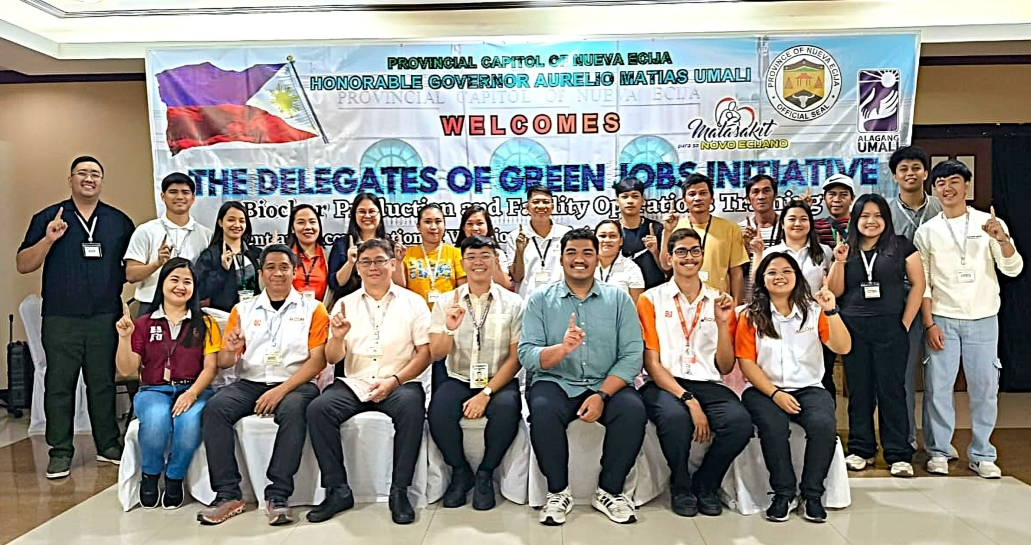
Financing Agrochemical Reduction and Management (FARM) is a key aspect in enabling and empowering communities. At Alcom via biochar in Philippines we've supported 500+ farmers and 5+ poultry farmers in Palayan, Nueva Ecija itself. This effort took place with support of PGNE and further brought in support from GGGI Philippines, NDC and BoI. Reducing chemicals in agriculture helps not just to reduce cost but brings a basket of benefits, reduction in fertilizer import thus saving government money, enhancing yield with soil quality thus providing greener and cleaner environment, giving organic produce thus better health. All this while managing farm waste of rice husk or other agri mass, thus reducing emissions hence sequestering carbon generating credits which inturn support farmers and communities. This is only for farmers there's a catapulted effort for poultry farmers (we'll share soon).
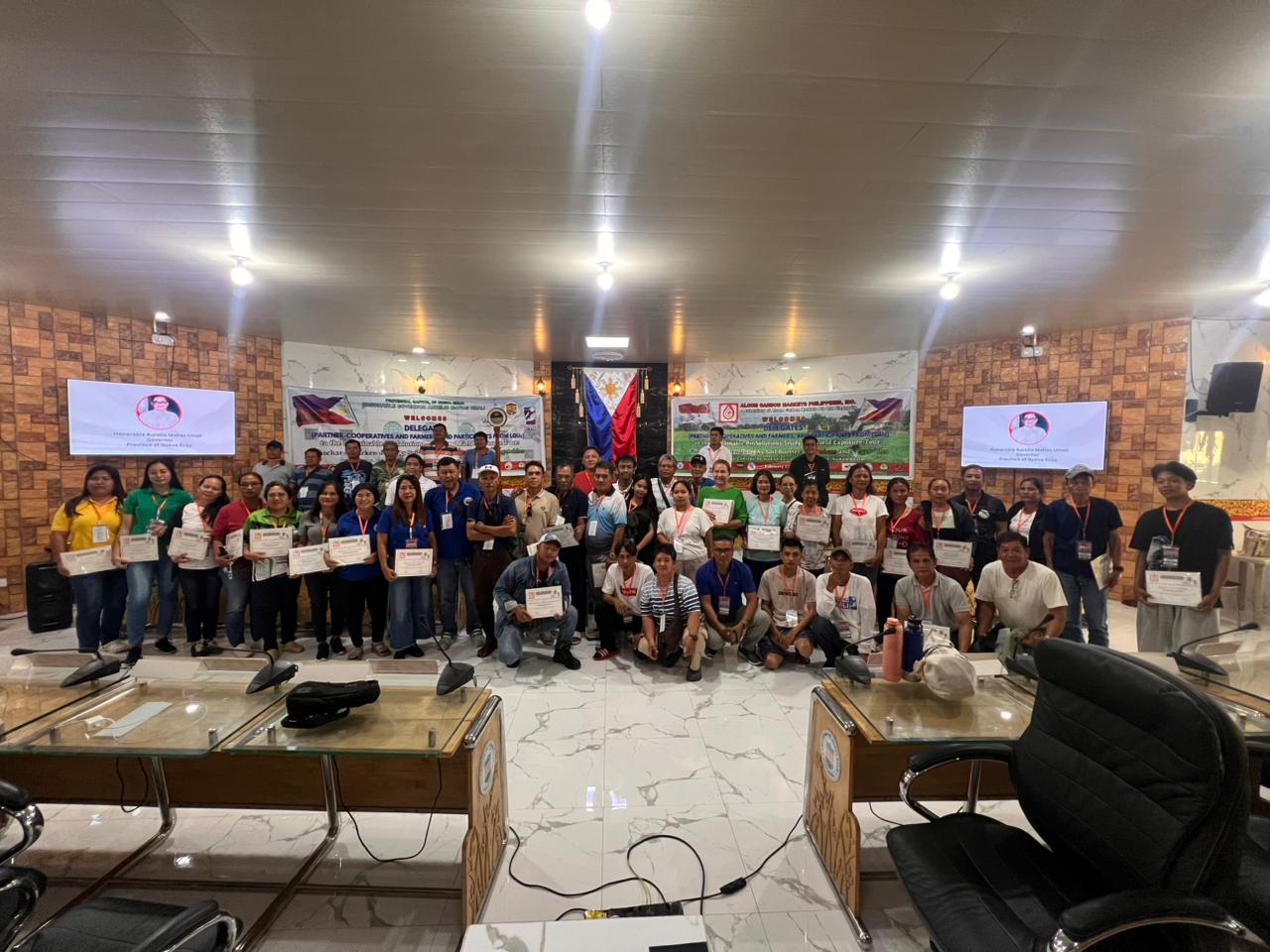
To summarise one simple effort of mitigating agri-waste led us to improve yield, soil health, income, materialize world's first PPP Carbon Credit Revenue Transfer to PGNE and generating green jobs, powering rural economy.

We would love to work together with folks at Green Forum and Green Growth Knowledge Partners to share the experience as we believe to scale efforts we need outreach for benefits of Nature Based Solution supporting regenerative agriculture and circular economy.

Thanks to Nadya and team at Green Forum for platform.

Readings:
1.a. Credit Offtake Altitude - Alcom
1.b. Credit Support Climeworks - Alcom

2. Carbon Credit Trasnfer to PGNE, LGU - Alcom

3. GGGI Visit and announcement to support Alcom

Read More

https://alcomcm.com/

Does your work relate to improving agricultural practices, crop quality, soil health, and the financing mechanisms that support them?

If yes, the FARM group is interested in hearing more about it. 

Please share on the Stream about your work, organizations, as well as recent publications. Looking forward!

Read More

Article in El Nueva Ecuador: The Government provides USD 1.4 million to 20 initiatives that promote sustainable agriculture with fewer pesticides in Ecuador

In a major boost for sustainable farming, the Government of Ecuador, through the Ministry of Environment and Energy (MAE), awarded USD 1.4 million to 20 innovative initiatives under the AgroConCiencia competitive fund, aimed at advancing agriculture with reduced pesticide use and stronger environmental outcomes. 

The awardees who are selected from more than 310 proposals across 13 provinces are implementing solutions such as biological pest control, agroecological inputs, sustainable agroforestry, and women-led farming networks. This action forms part of the FARM Ecuador project, led by MAE and the Ministry of Agriculture, with technical support from UNDP and funding from the Global Environment Facility (GEF), and reflects the country’s commitment to healthier food systems, ecosystem protection, and community resilience.


Read More

https://www.ambienteyenergia.gob.ec/el-gobierno-nacional-entrega-usd-14-millones-a-20-iniciativas-qu...

In this third edition of the FARM newsletter released in September 2025,a case study and a video interview on training one million farmers in India is presented as well as the Global Framework on Chemicals Fund  second call for project proposals highlighted.   Read More

In this second edition released in August 2025, you will learn about agricultural plastics pollution, how you can join hybrid events at the OEWG of the Global Framework on Chemicals, and what happened in the FARM programme last year. Read More

In this first edition of the FARM newsletter released in June 2025, you will learn about agricultural plastics pollution, how you can join hybrid events at the OEWG of the Global Framework on Chemicals, and what happened in the FARM programme last year. Read More