About this Discussion

The financial system can play a major role in contributing to a transition towards a low-carbon, resilient and inclusive economy. However, for this to happen, three key deficiencies must be addressed:  the misallocation of available capital for long-term development; externalities and systemic risk, including climate change; and environmental stress, notably natural disasters. Critical to aligning financial and capital markets will be measures within the financial system to green private finance through adjustments to key policies, regulations, standards and norms, and through market innovations.

In 2018, the Global Environment Facility (GEF) launched the GEF Aligning Finance Policies project to build international consensus to align financial systems with the UN Sustainable Development Goals (SDGs) and develop national regulatory actions. The project focuses on the development of national Sustainable Finance Roadmaps in six countries – China, India, Kazakhstan, Mexico, Mongolia and Nigeria – and building international consensus on best practices – from policies and regulations to standards and norms – to green the financial system.

This Green Forum discussion is for professionals to share their knowledge and experience on sustainable finance, particularly best practices to help align the financial system with sustainable development and climate change mitigation needs, as well as ways to incorporate sustainability factors into the rules that govern banking, insurance, institutional investment and capital markets.


Supported by
GEF Brand

Upcoming Events

Sustainable Finance

A post is already pinned to this stream. Would you like to replace it?
Justus Lavii Munga Mwololo commented on OECD Environment's Event in Energy, Sustainable Finance
OECD Environment Directorate
OECD Environment

Created an Event in Energy, Sustainable Finance

| Paris and online
Organisation for Economic Co-operation and Development(OECD)

The Forum on Green Finance and Investment (GFI) is the OECD's flagship event on green and sustainable finance. On 7-8 October 2026, its 13th edition will bring together senior representatives and leading experts from governments, financial institutions, the private sector, academia and civil… Read More

Nadya Pryana

Shared a Post in Sustainable Finance

fgh f

7 Key Takeaways for Financing the Transition

by Benjamin Warr

Pesticide-risk reduction is now a biodiversity, pollution, and financial priority. Reducing pesticide risk should be treated as a core component of national biodiversity implementation and pollution prevention, not solely as an agricultural or chemicals-management issue.

Phasing out Highly Hazardous Pesticides is a core and practical entry point. The strong alignment between GBF Target 7 and GFC Target A7 makes HHP phase-out one of the most direct and measurable ways to reduce pesticide risk and toxic load.

Transition pathways are essential to achieve durable change. While regulatory measures such as bans and restrictions are important, they are rarely sufficient on their own. Lasting reductions in harmful agrochemical use require well-designed transition pathways.

Stronger monitoring and reporting are essential. This includes national reporting to the CBD and the GFC, and measurement of pesticide risk and impact.

Finance and fiscal policy can accelerate the transition. Governments should establish clear long-term policy signals and align fiscal policies and financial instruments to support safer and more sustainable alternatives, while removing subsidies and incentives that encourage harmful pesticide use.

Show clear commitments and targets. Experience from FARM-supported countries and others, demonstrates that meaningful progress is possible when governments combine regulatory reform, farmer support, market engagement, stronger monitoring systems, and appropriate financing.

Partnerships and inclusive collaboration are essential. Governments should foster partnerships across the agrifood value chain and engage farmers, researchers, financial institutions, civil society, and the private sector, while ensuring the meaningful inclusion of women, smallholders, Indigenous Peoples, and other underrepresented groups.

Read More

OECD Environment Directorate
OECD Environment

Created an Event in Climate Change, Sustainable Finance

| Paris and online
Organisation for Economic Co-operation and Development(OECD)

The annual OECD Green Growth and Sustainable Development Forum (GGSD Forum) is a conference open to a wide range of stakeholders and experts. It aims to provide a space for multi-disciplinary dialogue on green growth and sustainable development, identify remaining knowledge gaps and promote new… Read More

Karen Lapitan

Sharing think piece from the International Resource Panel addresses the fundamental transformations that need to take place in governance and financial systems to address contemporary environmental and social challenges: Tackling Governance and Financing for Sustainability Transitions.

It highlights how addressing today’s environmental and social challenges will require fundamental shifts in both governance and financial systems. Curious to hear if this resonates with others or connects with what you’re seeing in your work. 

Read More

https://www.greenpolicyplatform.org/research/tackling-governance-and-financing-sustainability-transi...
Nadya Pryana

Shared an Event in Sustainable Finance

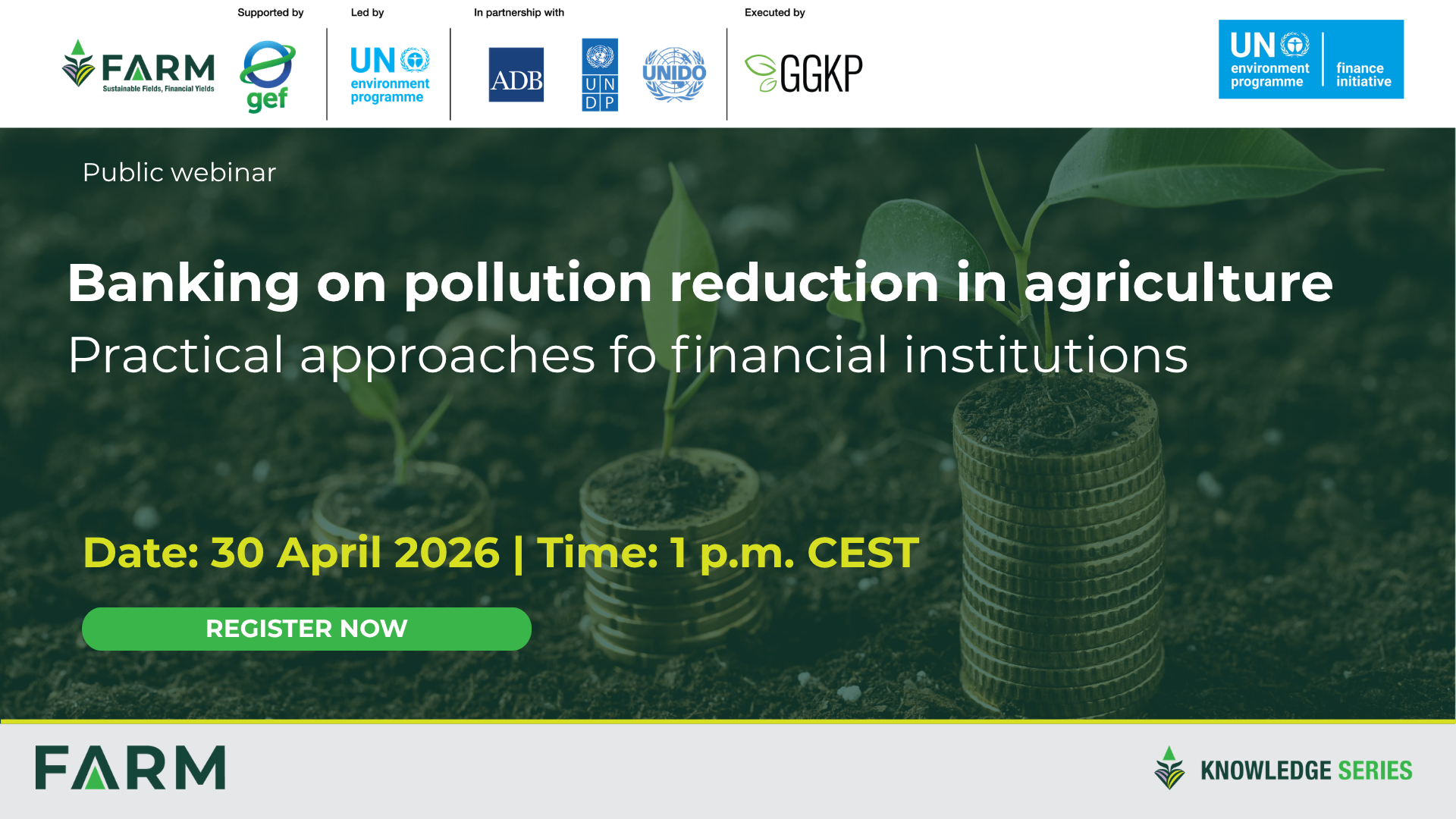
This session is facilitated by UNEP FI as part of the GEF-funded Financing Agrochemical Reduction and Management (FARM) Programme. 

Informed by the Guidance on Pollution Reduction and Management in the Agriculture sector, the session will facilitate financial institutions, particularly banks, to make the first shift from commitments to practical implementation by ensuring that agricultural pollution risks are clearly understood and embedded within institutional ...

Read More

Karen Lapitan

Created an Opportunity in Green Learning Network, Sustainable Finance

Closing:

🌍 GGGI is hiring!Sharing this opportunity at the Global Green Growth Institute (GGGI): a Senior Program Officer to lead the project “Youth Economic and Livelihood Empowerment through Green Entrepreneurship and Digital Transformation in Côte d’Ivoire.”🗓️ Apply by 19 January 2026👉 Learn more: https… Read More

Global Green Growth Institute(GGGI)
PAGE - Partnership for Action on Green Economy

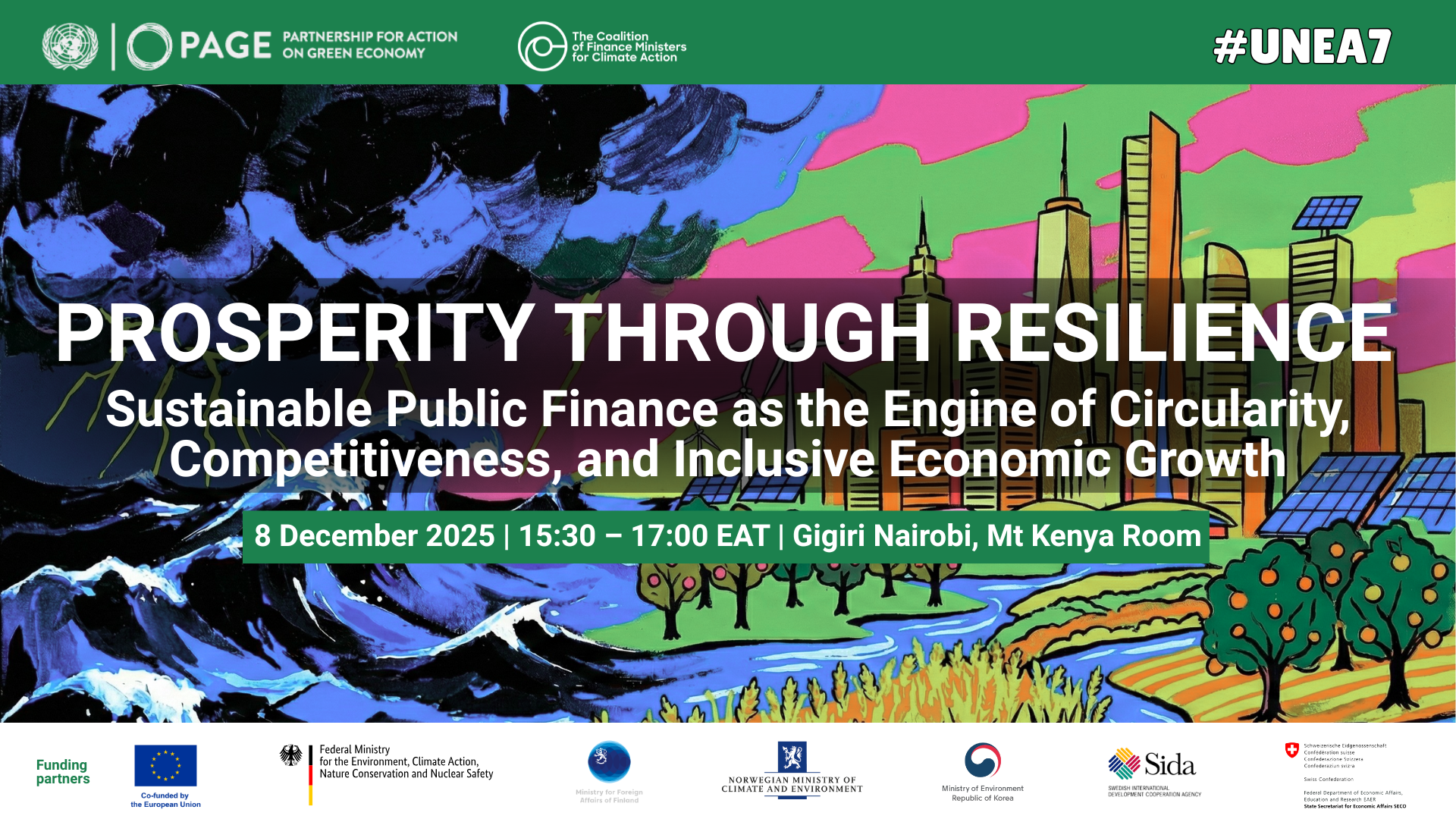
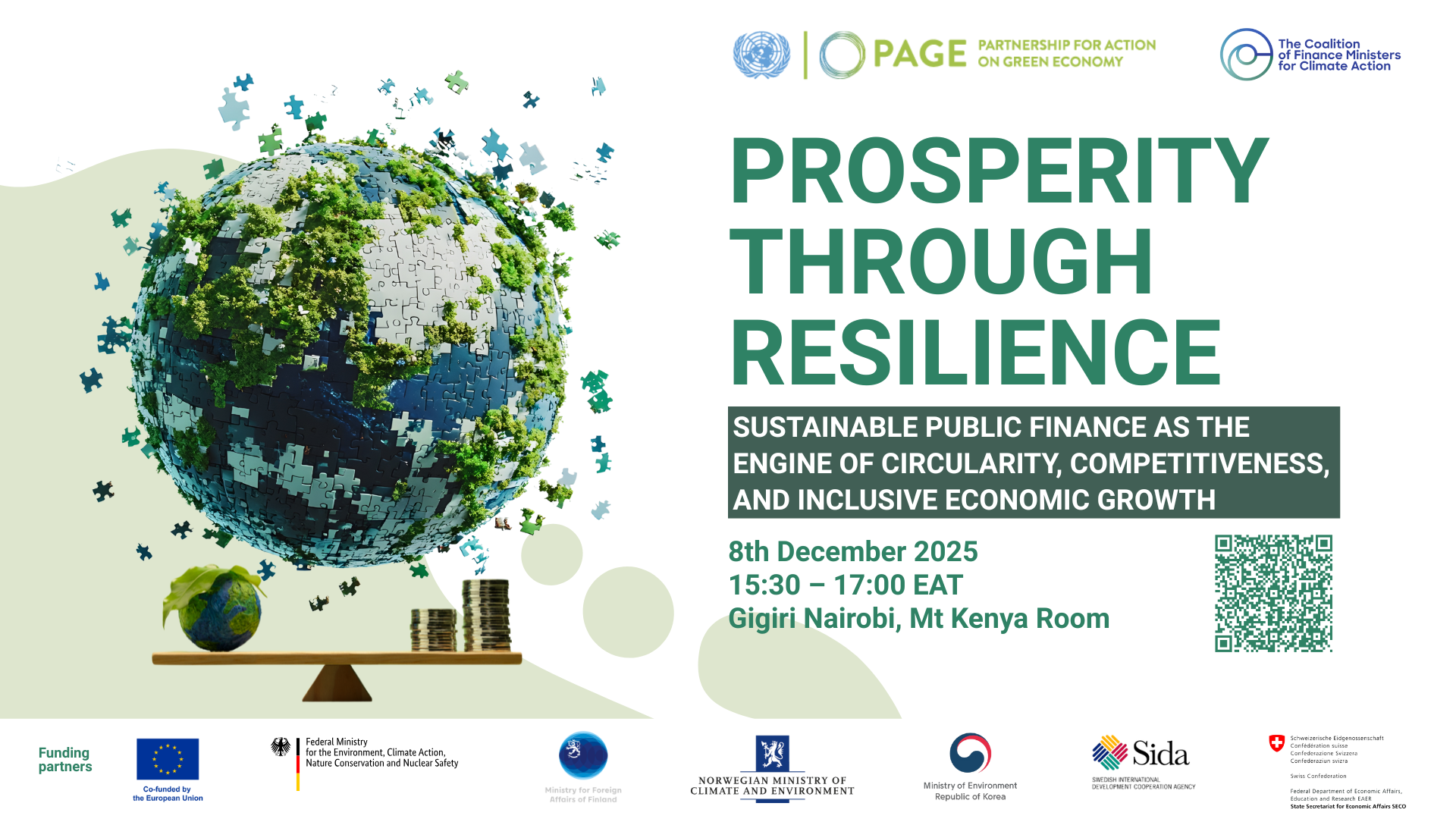
#PAGE and the Coalition of Finance Ministers for Climate Action cohosted #ProsperityThroughResilience at #UNEA7 bringing together leaders from Brazil🇧🇷, Germany🇩🇪, Uganda🇺🇬, Indonesia🇮🇩, and global institutions to rethink how public finance can respond to climate risks, mobilize investment, strengthen competitiveness, and support inclusive growth. 

➡️The conversation underscored a shared understanding: resilience is now a driver of prosperity, and aligning fiscal governance with climate, nature, and economic priorities is essential for the future.

✅As an outcome of this dialogue, the Joint PAGE–CFMCA Co-Chair’s Action Note for UNEA-7 captures a shared aspiration emerging from the #FFD4 engagements: strengthening the fiscal foundations, institutional capacities, and investment pathways that make economies more resilient, competitive, and inclusive.
 
📘 Read the full Action Note ➜ 

Read More

https://www.un-page.org/event/page-at-the-7th-session-of-the-united-nations-environment-assembly/
PAGE - Partnership for Action on Green Economy

📢 HAPPENING IN A FEW MINUTES !

🌱 Transitioning to a greener, more competitive economy requires more than ambition — it demands coherent, forward-looking public finance strategies.

🔎 Explore how integrated policies can unlock private investment, support innovation, and protect communities from future shocks.

Be part of this global conversation at #UNEA7.

🔗 Save your spot for #ProsperityThroughResilience ➡️ https://www.un-page.org/event/page-at-the-7th-session-of-the-united-nations-environment-assembly/

Read More

PAGE - Partnership for Action on Green Economy

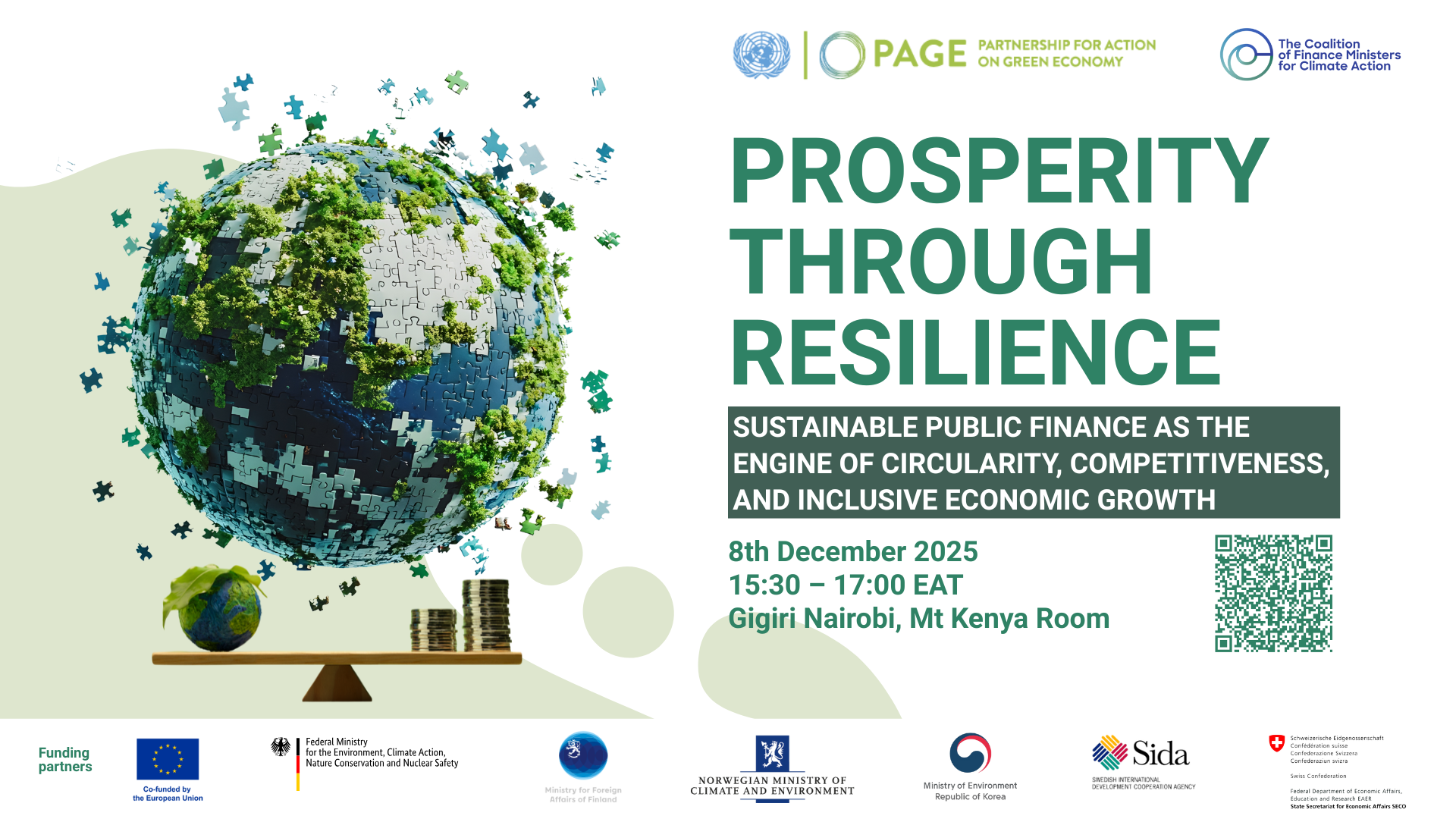
🔎 As climate and economic shocks intensify, Ministries of Finance sit at the heart of national resilience. 
 
💡 Join us at UNEA-7 for “Prosperity Through Resilience,” where global leaders will unpack how forward-looking fiscal strategies can steer private capital, strengthen domestic sectors, and create inclusive, competitive growth. 
 
Register now to engage with those shaping the future of resilient public finance ➡️ https://www.un-page.org/event/page-at-the-7th-session-of-the-united-nations-environment-assembly/


#UNEA7 #PublicFinance #Resilience #SustainabilityLeadership #InclusiveGrowth

Read More

Karen Lapitan

Created a Post in Climate Change, Sustainable Finance
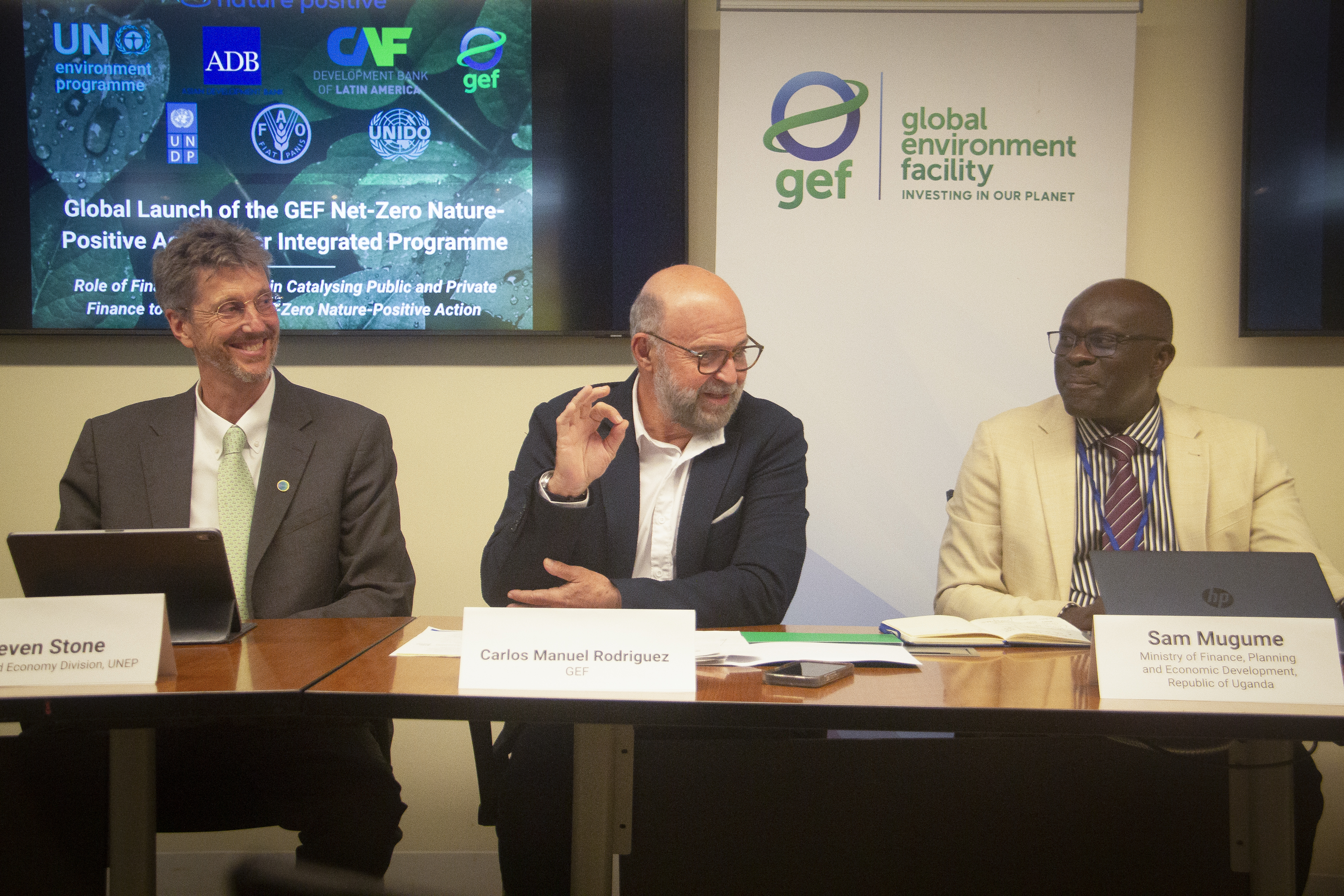
As climate and nature risks rise, the value of stability — of ecosystems, economies, and communities — has never been clearer. At the recent IMF–World Bank Fall Meetings, UNEP and partners launched the Net Zero, Nature Positive Accelerator, a USD 100 million initiative to scale up resilient, nature-based investments. Because resilience is the new growth story. Check out this blog entry by Steven Stone, Deputy Director, Industry and Economy Division, United Nations Environment Programme (UNEP): 

Read More

https://www.greenpolicyplatform.org/blog/investing-stability-value-resilience-growth-and-prosperity