About this Discussion

The financial system can play a major role in contributing to a transition towards a low-carbon, resilient and inclusive economy. However, for this to happen, three key deficiencies must be addressed:  the misallocation of available capital for long-term development; externalities and systemic risk, including climate change; and environmental stress, notably natural disasters. Critical to aligning financial and capital markets will be measures within the financial system to green private finance through adjustments to key policies, regulations, standards and norms, and through market innovations.

In 2018, the Global Environment Facility (GEF) launched the GEF Aligning Finance Policies project to build international consensus to align financial systems with the UN Sustainable Development Goals (SDGs) and develop national regulatory actions. The project focuses on the development of national Sustainable Finance Roadmaps in six countries – China, India, Kazakhstan, Mexico, Mongolia and Nigeria – and building international consensus on best practices – from policies and regulations to standards and norms – to green the financial system.

This Green Forum discussion is for professionals to share their knowledge and experience on sustainable finance, particularly best practices to help align the financial system with sustainable development and climate change mitigation needs, as well as ways to incorporate sustainability factors into the rules that govern banking, insurance, institutional investment and capital markets.


Supported by
GEF Brand

Upcoming Events

Sustainable Finance

A post is already pinned to this stream. Would you like to replace it?
International Institute for Environment and Development(IIED)

The pressure of growing debt on emerging economies has severely impacted efforts to tackle the climate crises and biodiversity loss. The pandemic has made the situation even more urgent. How is growing debt impacting policy choices in the context of the COVID-19 recovery? What are the implications… Read More

Closing:
Carbon Disclosure Project(CDP)

Are you looking for a role that combines your experience in the financial sector and your personal ethics? Do you care about preserving our planet’s forests? CDP is seeking an account manager with experience of working in Southeast Asia’s finance sector to join its global, multi-award-winning… Read More

Climate action in Asia - a region that produces more than half of global emissions - is intensifying, and competition among rivals helps. There has been 57% increase in companies setting carbon-cutting targets or are in the process of getting targets approved, between 2019 and 2020.

An interesting article that questions whether the Asian corporates' targets realistic, ambitious or greenwash.

Read More

https://www.eco-business.com/news/asian-companies-claim-they-are-going-net-zero-but-are-their-target...
Maria Dumpert commented on Camille Andre's Post in Sustainable Finance, Natural Capital

World’s First Wildlife Bond to Track Rhino Numbers in Africa

A bond designed to raise funds to grow the population of endangered black rhinoceros in South Africa will be sold by the World Bank this year

Read More

https://www.bloomberg.com/news/articles/2021-03-24/world-s-first-wildlife-bond-to-track-rhino-popula...

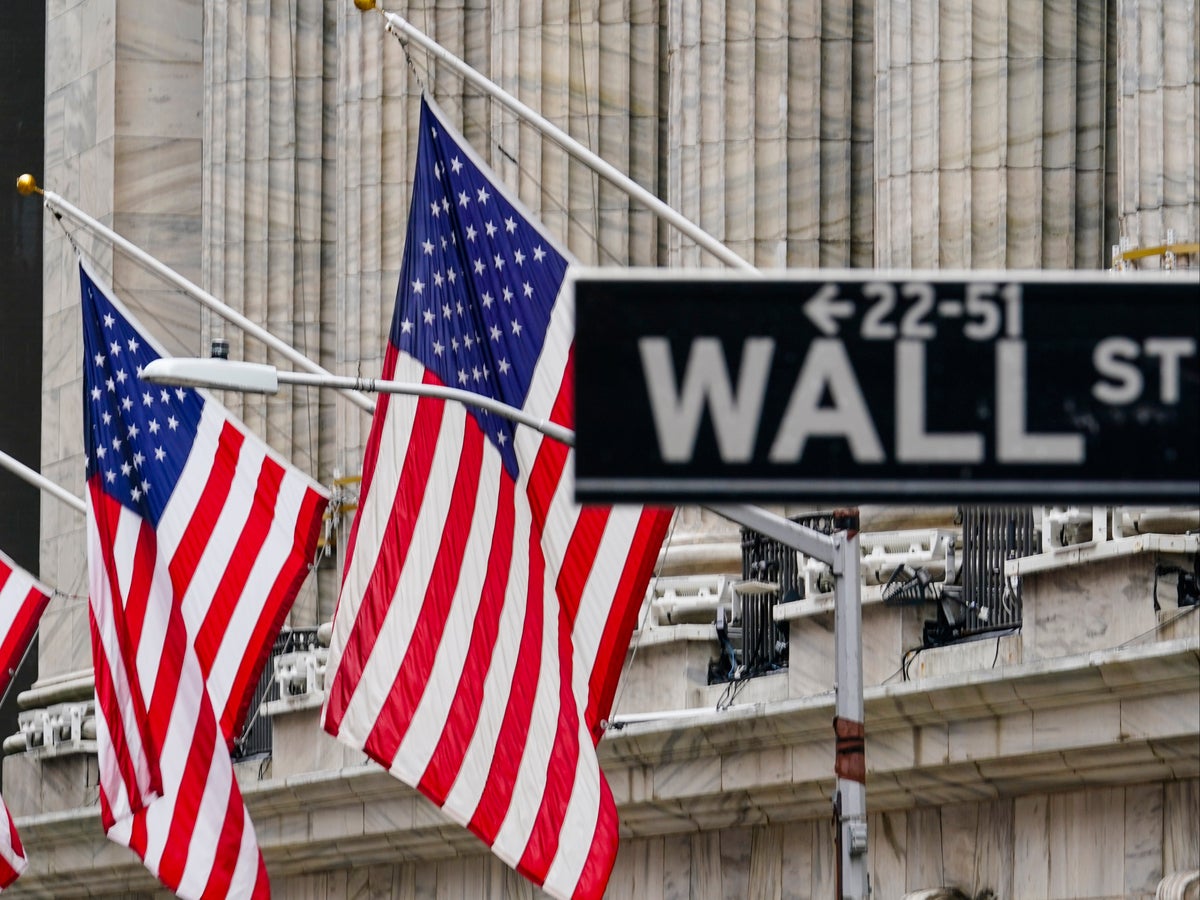
‘It’s moving deckchairs on the Titanic’: Former BlackRock sustainability executive says Wall Street’s green investing is ‘PR spin’

Tariq Fancy, who served as chief investment officer of sustainable investing at the world’s largest asset manager, tells Louise Boyle the practice has little impact on reducing greenhouse gas emission

Read More

https://www.independent.co.uk/climate-change/wall-street-finance-blackrock-oil-greenwashing-b1819272...

U.S. Weighs Global Climate Impact Benchmark for Wall Street

The Biden administration is considering ways to push the global finance industry to consistently account for carbon dioxide emissions and green investments, according to people familiar with the matter.

Read More

International Finance Corporation(IFC), International Institute of Finance(IIF)

Banking regulators around the world are developing supervisory and regulatory approaches to climate-related risks. The IFC and the International Institute of Finance (IIF) will discuss findings from a recent report by IIF, which makes the case for prudential authorities to consider both micro… Read More

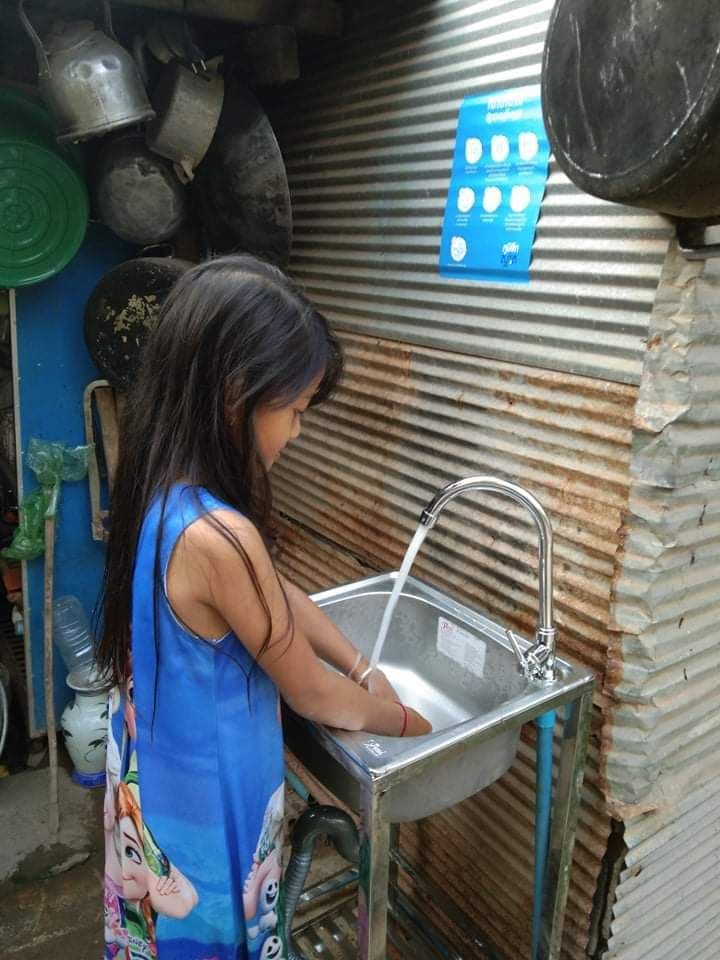
The case of decentralised piping water companies: resilience of safe drinking water models during COVID-19 times (with examples from Ethiopia and Cambodia)

Read More

https://incofin.com/piping-water-companies/

Rising Temperatures, Melting Ratings

Enthusiasm for ‘greening the financial system’ is welcome, but does the explosion of ‘green’ finance indicators reflect the science? Using artificial intelligence, economists construct the world’s first ‘climate smart’ sovereign credit rating and warn of climate-driven downgrades as early as 2030.

Read More

https://www.bennettinstitute.cam.ac.uk/blog/rising-temperatures-falling-ratings/

'Mobile banking boosts fishers’ financial identities and savings' -- With a permanent bank account, fishers can now start to develop a financial identity through their savings transactions and be counted as part of the formal banking sector. In the future, BPI-BanKo and Rare are planning to explore micro-insurance products for fishers, who often suffer the most when typhoons ravage their coastal communities and affect their livelihood. With extreme weather events posing bigger challenges for them, fishers could benefit from financial products that would help them adapt to climate change.

Read More

https://rare.org/story/mobile-banking-boosts-fishers-financial-identities-and-savings/