About this Discussion

According to the IPCC, the concentration of greenhouse gases in the earth’s atmosphere is directly linked to the average global temperature on Earth, and the concentration has been rising steadily. The most abundant greenhouse gas, accounting for about two-thirds of greenhouse gases, carbon dioxide, is largely the product of burning fossil fuels. 

There is alarming evidence that important tipping points, leading to irreversible changes in major ecosystems and the planetary climate system, may already have been reached or passed. One of the most urgent challenges facing countries across the world today is how to achieve economic prosperity and development while also combating climate change.

The Paris climate change agreement commits nations to limit global temperature rise to no more than 2°C above pre-industrial levels, with countries pledging to cut or curb their greenhouse gas emissions – through a combination of mitigation and adaptation measures – by 2030. 

Upcoming Events

Climate Change

A post is already pinned to this stream. Would you like to replace it?
International Fund for Agricultural Development(IFAD)

08:00 – 09:00 ET | 14:00 –15:00 CEST Preparing the agriculture sector and building the resilience of smallholder farmers will not be possible without significant increases in climate finance. Ensuring finance actually reaches the small-scale farmers, SMEs, and cooperatives on the frontlines of… Read More

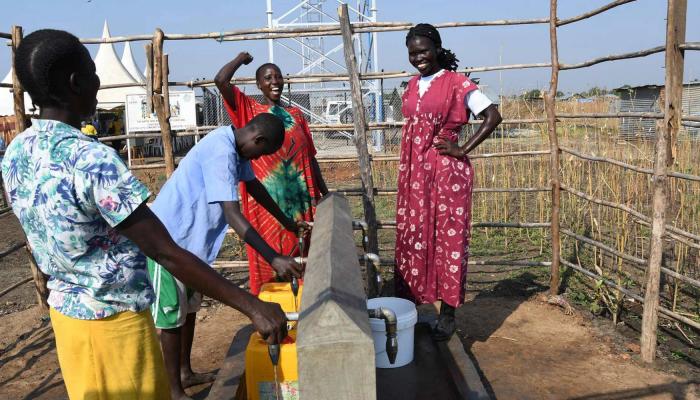
Climate change is affecting water supplies around the world. Whether too little water in the form of prolonged and severe droughts or too much through flooding from heavy storms, extreme weather events are reducing the availability of surface water. Given the essential role of clean and safe water for sustaining life, lack of access to it has dramatic effects on sanitation, hygiene, nutrition, and health.

Read More

https://www.climatelinks.org/blog/connections-between-climate-change-water-and-nutrition
Default profile image

Created a Post in Climate Change, Energy
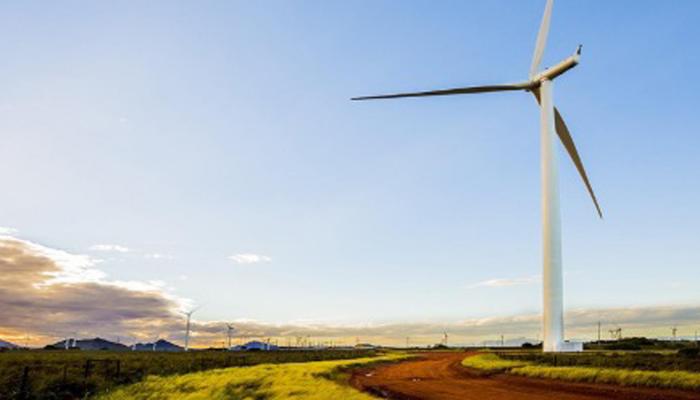
According to the International Energy Agency (IEA), energy efficiency must take a leading role as the “first fuel” in climate-related development assistance in order to achieve the dual objective of reducing greenhouse gas (GHG) emissions while catalyzing economic development.

Addressing climate change will require a near complete transformation in the ways we generate, distribute, and use energy. To maximize the chances of mitigating the worst impacts of climate change, we must reduce the energy needed to sustain current energy consumption by using it more efficiently.

Read More

https://www.climatelinks.org/blog/energy-efficiency-should-be-first-fuel-powering-global-climate-ini...

As part of the Data-Driven Climate Action project, ICLEI has launched four case studies about how data-driven decision-making is helping cities to plan, implement and monitor climate change mitigation initiatives. With the support of Google.org, the project provides valuable data to assist local and regional governments in the decision-making process regarding climate action.

Read More

https://talkofthecities.iclei.org/iclei-and-google-org-launch-case-studies-on-data-driven-climate-ac...
Default profile image

Created a Post in Climate Change, Energy
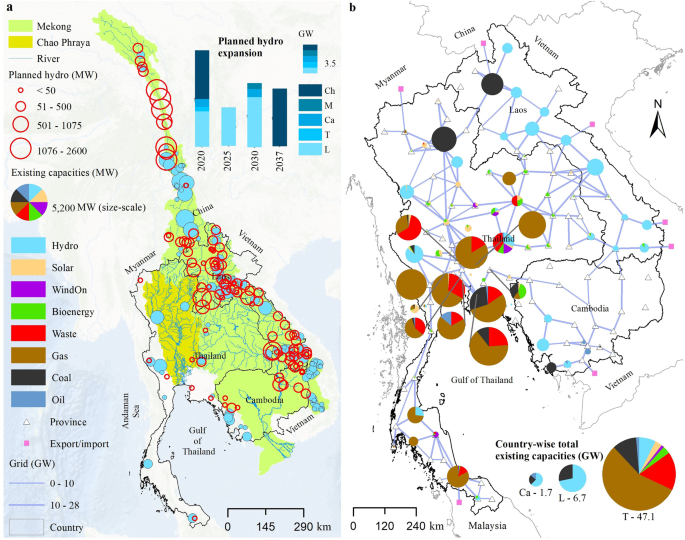
Strategic dam planning and the deployment of decentralized renewable technologies are two elements of the same problem, yet normally addressed in isolation. Here, the research indicates that an integrated view of the power system capacity expansion problem could have transformative effects for Southeast Asia’s hydropower plans.

Read More

https://www.nature.com/articles/s41467-021-24437-6

The European Union has drafted plans to build up forests, grasslands and other natural "carbon sinks" that absorb carbon dioxide from the atmosphere to help curb climate change.

Carbon sinks have gained in importance as countries strive to reach "net zero" emissions by 2050, the goal scientists say the world must meet to avoid the worst impacts of climate change.

Read More

https://www.reuters.com/world/europe/eu-drafts-plan-grow-carbon-sinks-climate-change-fight-2021-07-0...
Default profile image

Created a Post in Climate Change

"The extreme nature of the record, along with others, is a cause for real concern," says veteran scientist Professor Sir Brian Hoskins. "What the climate models project for the future is what we would get if we are lucky. The models' behaviour may be too conservative."

Computer models are what scientists use to try to second-guess the future behaviour of Earth's climate. But they take a very broad look across the global temperatures - they are not as accurate for smaller areas where the projected temperature extremes may be over-topped on a local level… extreme extremes, if you like.

Read More

https://www.bbc.com/news/world-us-canada-57729502
Default profile image

Created a Post in Climate Change

Over the past three weeks, climate negotiators gathered online for the UN Climate Change Subsidiary Bodies sessions, aiming to make progress on details within the Paris Agreement. These details are critical to resolve if the world is to meet the agreement’s goals and prevent the most dangerous impacts of climate change.

But overall, despite substantive discussions, progress was uneven and limited on the most critical points. Countries will now have their work cut out for them to reach agreement at COP26 in Glasgow in November.

Read More

https://www.wri.org/insights/challenging-climate-negotiations-deliver-limited-progress-toward-cop26
Default profile image

Created a Post in Climate Change

The EU aims to make its Green Deal and the ambitious environmental overhaul a new growth strategy as its economy recovers from the pandemic.Especially, airlines in the world’s biggest carbon market will eventually have to pay for all the pollution from their planes as the European Union strengthens its climate policies under the Green Deal.

Read More

https://www.bloomberg.com/news/articles/2021-07-05/airlines-to-be-charged-more-for-polluting-in-eu-g...
Default profile image

Created a Post in Energy, Climate Change
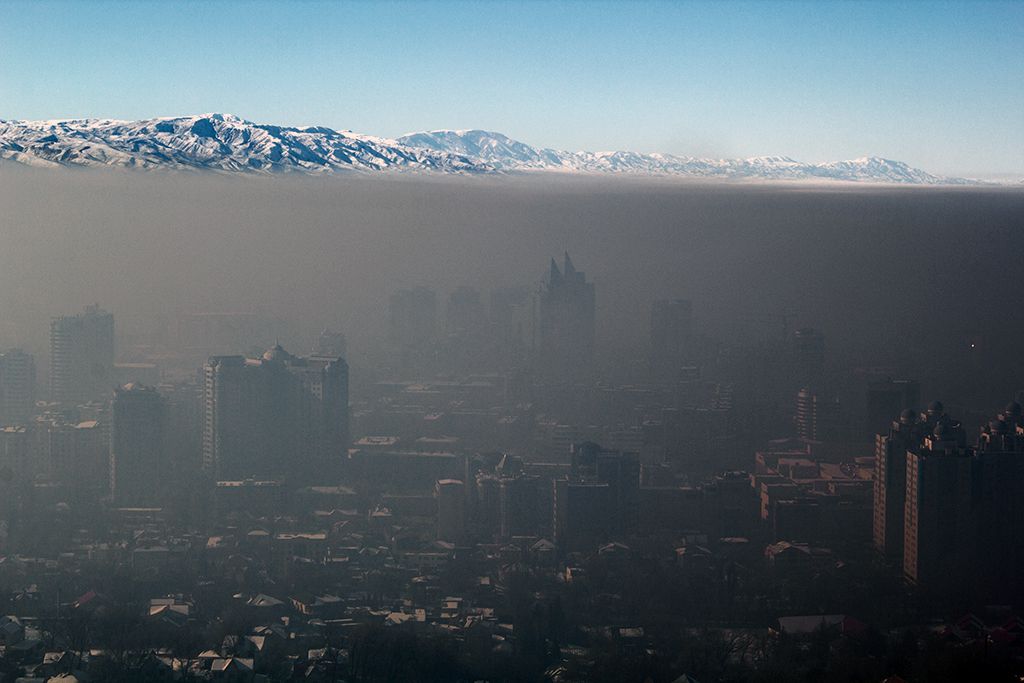
Air pollution in the cold countries of Central Asia is particularly high during winter due to the consumption of solid fuels for space heating. Evidence-based policy recommendations are needed to facilitate the transition from solid fuel consumption to the use of cleaner fuels for residential heating and cooking, particularly in Kazakhstan and the Kyrgyz Republic. This is important not only for improving health conditions for the inhabitants and visitors in these countries but also for reducing the life-threatening health hazards arising from indoor cooking and heating.

Read More

https://www.asiapathways-adbi.org/2021/07/kazakhstan-kyrgyz-republic-need-more-energy-access-promote...