About this Discussion

According to the IPCC, the concentration of greenhouse gases in the earth’s atmosphere is directly linked to the average global temperature on Earth, and the concentration has been rising steadily. The most abundant greenhouse gas, accounting for about two-thirds of greenhouse gases, carbon dioxide, is largely the product of burning fossil fuels. 

There is alarming evidence that important tipping points, leading to irreversible changes in major ecosystems and the planetary climate system, may already have been reached or passed. One of the most urgent challenges facing countries across the world today is how to achieve economic prosperity and development while also combating climate change.

The Paris climate change agreement commits nations to limit global temperature rise to no more than 2°C above pre-industrial levels, with countries pledging to cut or curb their greenhouse gas emissions – through a combination of mitigation and adaptation measures – by 2030. 

Upcoming Events

Climate Change

A post is already pinned to this stream. Would you like to replace it?

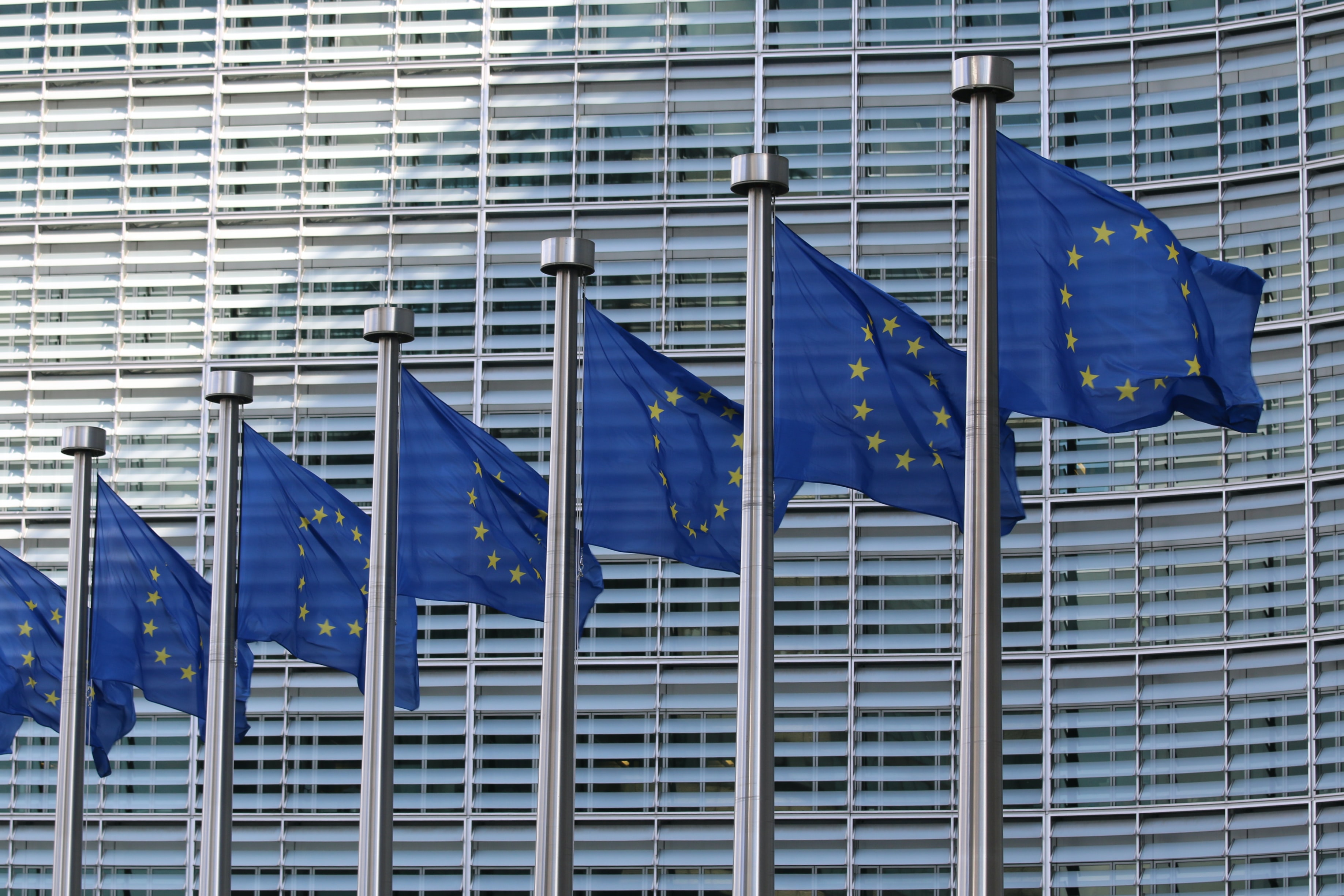
As the European Commission rolls out a new taxonomy to define “sustainable” activities, lots of questions were raised around it, from its usability to inclusivity. There is also a fundamental issue on data provision. To address this set of questions, the EU Platform on Sustainable Finance presents weekly webinar starting from 21 June through 19 July.

Read More

https://thegreenforum.org/node/3493
The EU Platform on Sustainable Finance, Climate Bonds Initiative(CBI)

USABILITY AND DATA WEBINARS Monday 21 June, 15:00-16:15 CET Introduction & the role of the Taxonomy 1/4 Helena Vines Fiestas of Spain's National Securities Market Commission and EU Platform co-Rapporteur of Usability & Data Workgroup, speaking with Sean Kidney, Climate Bonds Monday 28 June… Read More

What is the environmental impact of a t-shirt? Higg's new Product Module assesses the various environmental impacts across a product’s entire life cycle. More than 150 companies have used the tool to identify opportunities for improvement in producing apparel, footwear, and textiles more sustainably across the full value chain.

Read More

https://www.greenbiz.com/article/inside-higgs-revolutionary-new-product-module
Default profile image

Created a Post in Climate Change, Energy
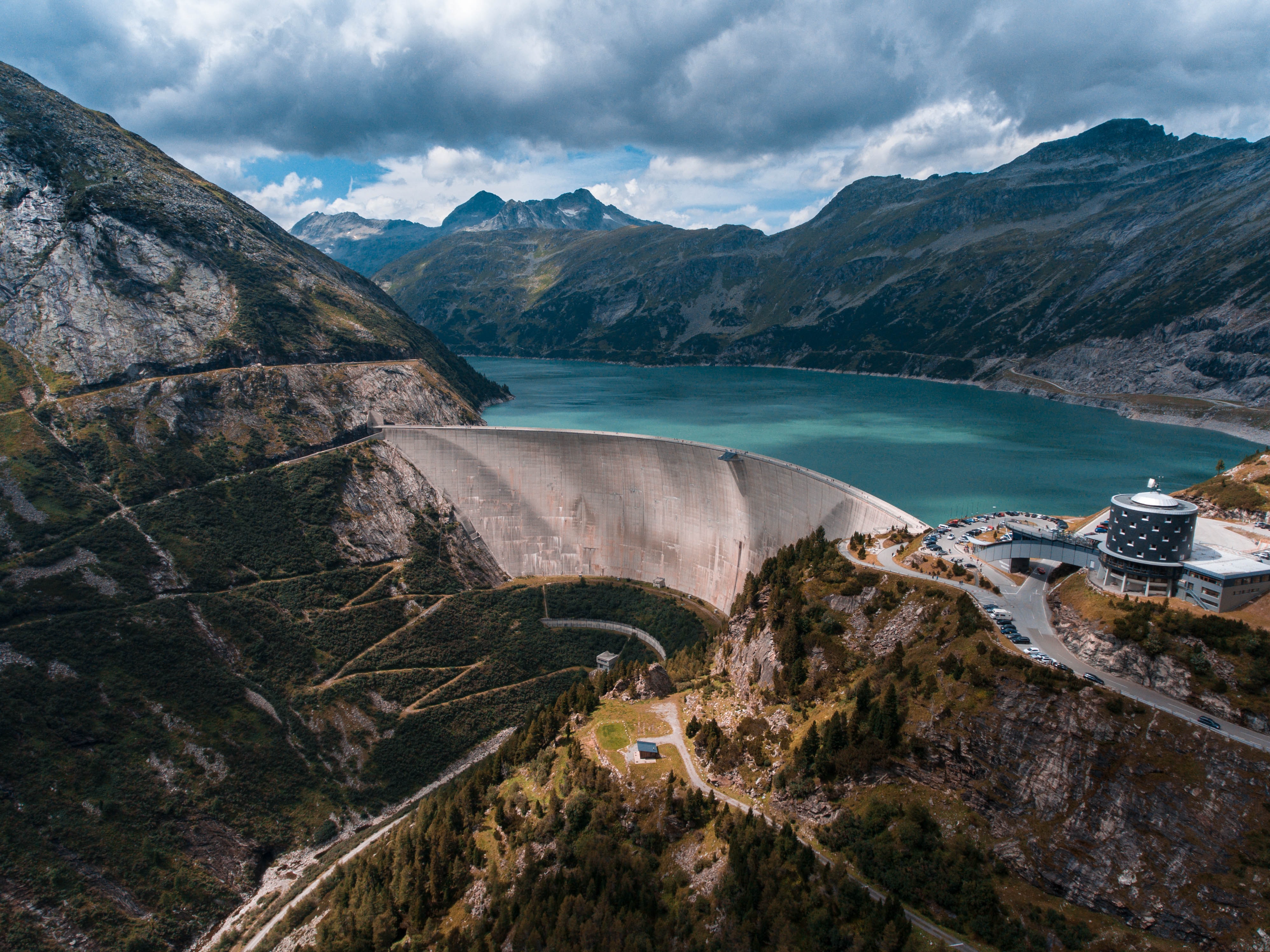
People depend on water in so many ways. Rivers provide people with drinking water, irrigation for crops, habitat for fisheries, recreation opportunities like swimming and boating, and so many important cultural benefits. They also can provide a tremendous amount of energy through hydropower.

Hydropower dams can play an important role in helping developing economies transition to a cleaner energy system that also meets the needs of their people. But the environmental externalities — the side effects — of dams can be catastrophic.

Read More

https://naturalcapitalproject.stanford.edu/news/green-economies-can-flow-strategic-hydropower

Climate change is a whole-economy problem. Tackling it will require looking at every financial decision through a climate lens. Does the decision result in greenhouse gas emissions or will it reduce them? Will it improve resilience to climatic shocks or worsen vulnerability?

As countries move to implement the Paris Agreement on climate change, they need to know the answers to such questions. They need to be able to track and understand domestic flows of finance so they can better align them with their climate goals, identify gaps and unlock the private investment needed for green, resilient development.

Read More

https://www.climatepolicyinitiative.org/climate-finance-tracking-from-data-to-ambition-to-action/

Created a Post in Climate Change

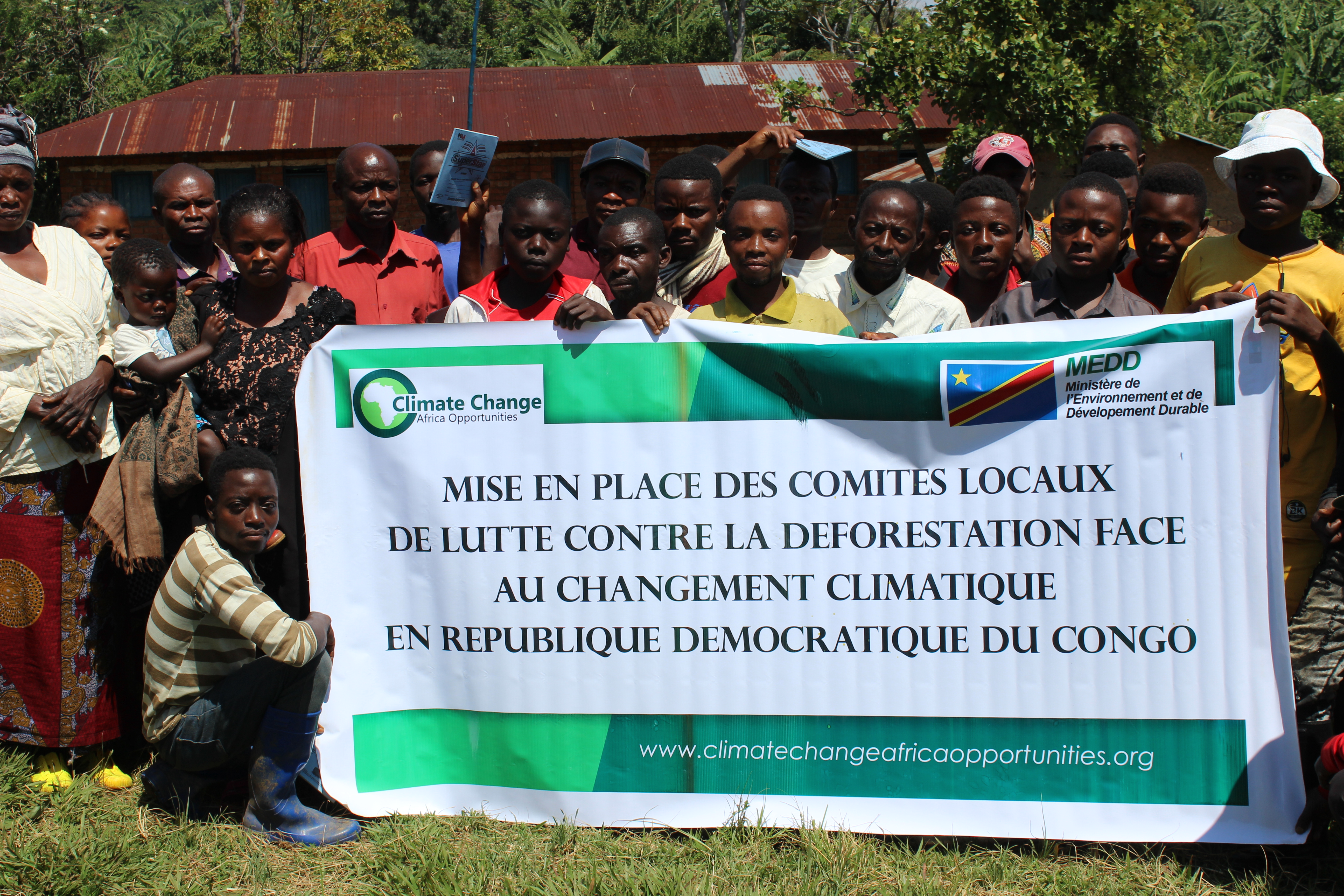
As part of its PIPFAREF program, the NGO Climate Change Africa Opportunities (CCAO) sets up Local Committees to fight against Deforestation in the Democratic Republic of Congo

Read More

https://www.climatechangeafricaopportunities.org/en/pages/lireArticle.php?IDarticle=215

If a city’s population doubles but incomes stay constant, the city’s floor space per person declines by 40%; If per capita income doubles but population stays constant, the city’s total floor space per person increases by 29% - these are just two key takeaways from the new World Bank report "Pancakes to Pyramids : City Form to Promote Sustainable Growth" that draws on new evidence, econometric analysis, and predictive modeling to relate the economic growth of cities to their past spatial evolution. Which one is more sustainable for urban future - horizontal growth or vertical layering?

Read More

https://documents.worldbank.org/en/publication/documents-reports/documentdetail/554671622446381555/c...

In recent months, the global 30x30 campaign to protect 30% of the ocean by 2030 has gained tremendous support, with a number of countries pledging to fulfill this goal. What hasn’t been clear, however, is whether these countries are fully prepared to ensure the target is met in ocean areas beyond national jurisdictions, also known as the high seas.

However, due to the unique governance structure of the Southern Ocean that surrounds the Antarctic continent, there are already ambitious proposals for significant high seas marine protected areas (MPAs). If adopted, these MPAs would collectively protect almost 4 million square kilometers of ocean, including habitat for large numbers of penguins, whales, seals and other unique Antarctic species. This would be the largest act of ocean protection in history.

Read More

https://www.iucncongress2020.org/newsroom/all-news/marine-protected-areas-southern-ocean-critical-fa...
Default profile image

Created a Post in Climate Change

G7 finance ministers made a commitment at the meeting to make it mandatory for corporates to report climate impacts and investment decisions, alongside new measures to strengthen central company beneficial ownership registries to crackdown on environmental crime.

Read More

https://www.euractiv.com/section/energy-environment/news/g7-agree-on-historic-steps-to-make-climate-...

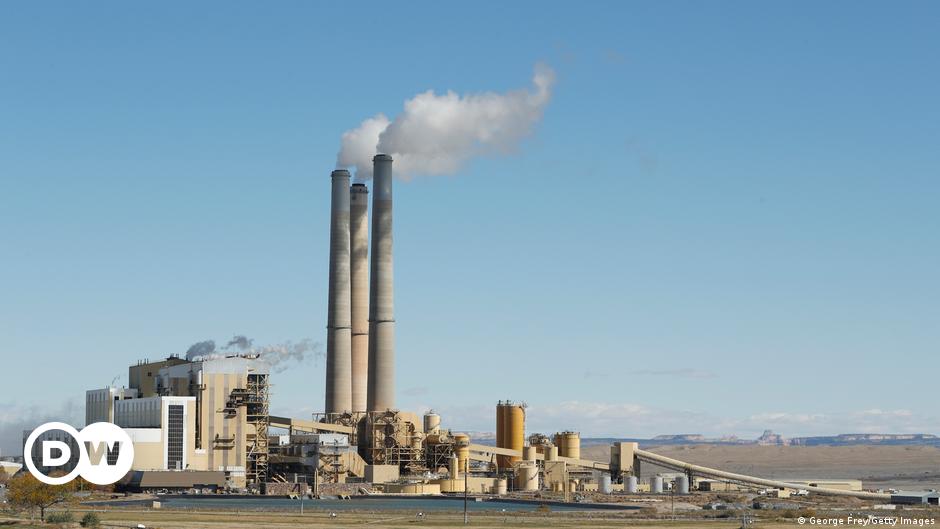
The IEA's recent "Net Zero by 2050" report designated Carbon Capture and Sequestration (CCS) as one of seven pillars needed to achieve mid-century climate neutrality and limit global heating. Can CCS really be used as the technological fix to mitigate climate change while many oil and gas industries are using the technology to produce more fossil fuels?

Read More

https://www.dw.com/en/carbon-capture-climate-solution-or-prolonging-humanitys-fossil-fuel-dependency...