About this Discussion

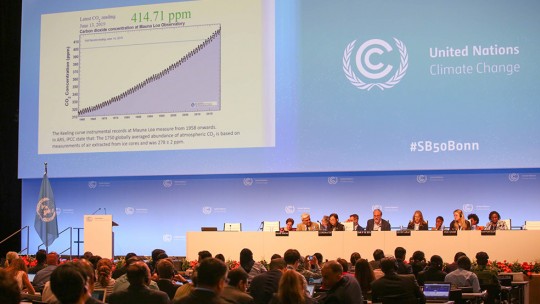
According to the IPCC, the concentration of greenhouse gases in the earth’s atmosphere is directly linked to the average global temperature on Earth, and the concentration has been rising steadily. The most abundant greenhouse gas, accounting for about two-thirds of greenhouse gases, carbon dioxide, is largely the product of burning fossil fuels. 

There is alarming evidence that important tipping points, leading to irreversible changes in major ecosystems and the planetary climate system, may already have been reached or passed. One of the most urgent challenges facing countries across the world today is how to achieve economic prosperity and development while also combating climate change.

The Paris climate change agreement commits nations to limit global temperature rise to no more than 2°C above pre-industrial levels, with countries pledging to cut or curb their greenhouse gas emissions – through a combination of mitigation and adaptation measures – by 2030. 

Upcoming Events

Climate Change

A post is already pinned to this stream. Would you like to replace it?

??? NEW ANALYSIS ON NORDIC COMPANIES' OCEAN DISCLOSURE ???

✍️ 73% of Nordic companies do not disclose on oceans
? Just 22% of current ocean disclosure is classified as 'good'
? Half of companies directly operating in the ocean economy are disclosing

How can the financial community assess ocean impacts and dependencies of investments if the #bluedata is not being made available by companies?

We recommend:
✅ Greater investor engagement on ocean disclosure
✅ Companies to adopt common ocean disclosure frameworks and develop science-based impact reduction strategies

Read more of our analysis, by researchers at Copenhagen Business School ?

Read More

https://greendigitalfinancealliance.org/ocean-disclosure-in-the-nordics/

Created a Post in Climate Change

"By the end of 2024, all countries that are party to the Paris Agreement will start implementing the new ‘enhanced transparency framework’ (ETF).The framework makes climate change reporting more transparent, building trust among parties and encouraging them to set more ambitious emission reduction targets. These targets are crucial for delivering the overarching, long-term goal of the Paris Agreement: to limit global warming to 2°C, and ideally below 1.5°C.

But this enhanced set of reporting rules presents the least developed countries (LDCs) with new technical and financial challenges."

Read More

https://www.iied.org/reporting-greenhouse-gas-emissions-ldcs-20-year-journey
Default profile image

Created a Post in Climate Change

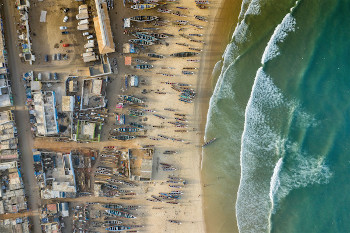
Coastal zones have always been one of the most attractive settlement areas because of their access to the ocean, their richness in natural resources, and the high quality of life they offer.

The high concentration of people, assets, economic activities and ecosystems along the world’s coasts makes them some of the most exposed regions to the impacts of climate change.

Read More

https://oecd-environment-focus.blog/2021/06/07/changing-climate-changing-coasts-why-resilience-matte...
Financial Times, International Finance Corporation(IFC)

Does your company have a story to share? Read More

Are we building back better?

Are we on track for a #GreenRecovery?

12 months ago, as the pandemic caused personal, social and economic devastation across the world, government leaders were quick to announce their plans to “build back better” as part of a green recovery.

At the time, we all listened. But were we too quick to take these statements at face value?

Join us on the latest episode of #TheGreenRenaissance podcast, as we ask four of the topics’ leading minds:

✓ What is at stake?
✓ Have countries really been building back better?
✓ How do we bridge the gap between commitments and actions?
✓ What is our green recovery action plan for the next 6-12 months?

Featuring Steven Stone (UN Environment Programme), Brian O’Callaghan (University of Oxford), Jean-Paul Adam (United Nations Economic Commission for Africa) and Katja Funke (International Monetary Fund).

Have a listen via the usual spots! ?

? Spotify: spoti.fi/31D2gDM
? Apple: apple.co/3we1E5n
? YouTube: bit.ly/3v2YK2m
⚫ Subscribe: bit.ly/3iMUJfi

Read More

https://www.uncclearn.org/podcasts/the-green-renaissance-podcast/
https://www.youtube.com/watch?v=X0vZTBoXwEM&t=1s

Created a Post in Climate Change

Can carbon capture actually work? A quick take on this topic to see whether this option is really feasible.

Read More

https://www.dw.com/en/can-carbon-capture-actually-work/av-56553059

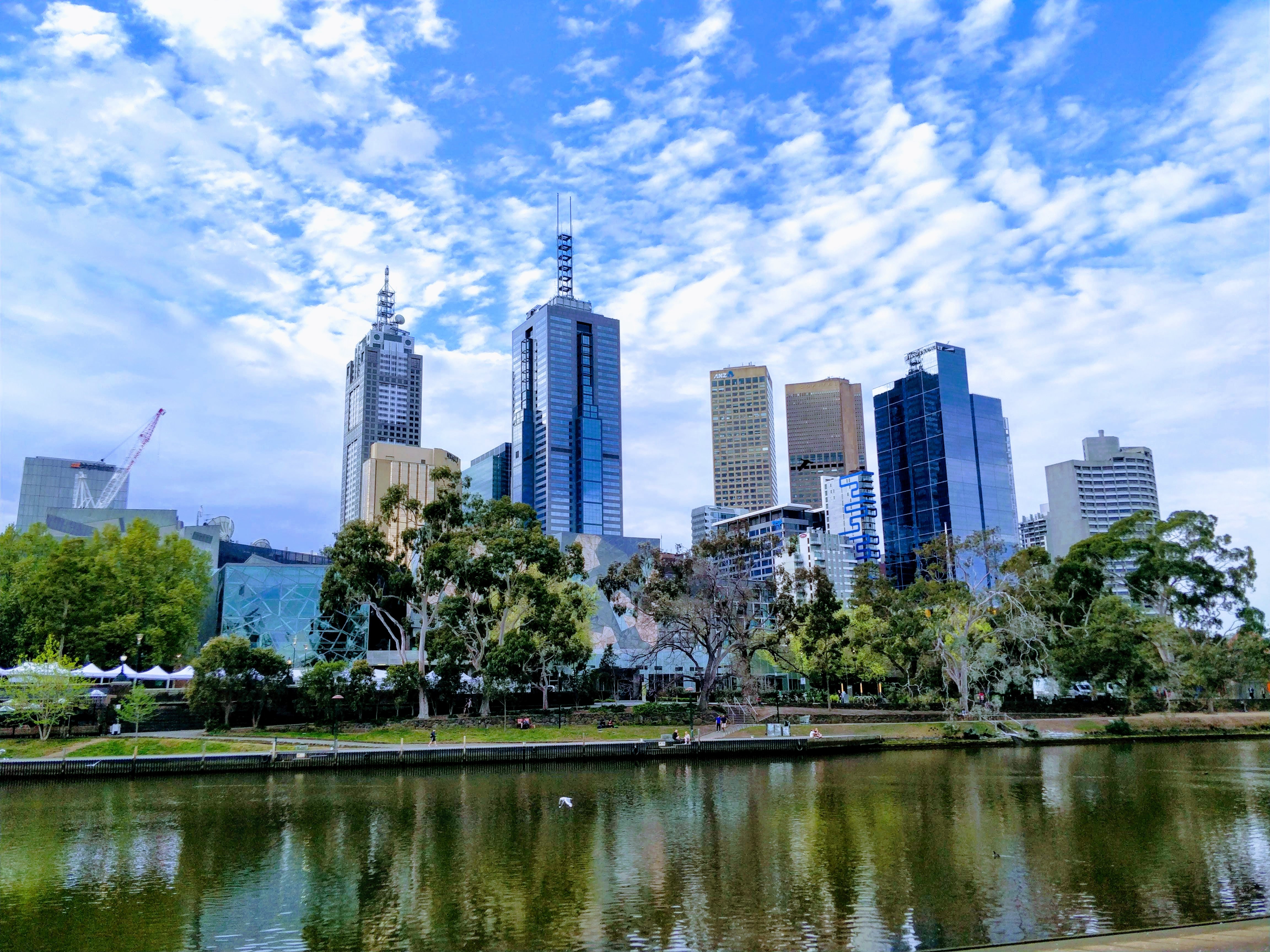
Applying blue-green infrastructure (BGI) solutions to roadways, wetlands and walking trails not only enhances resilience to climatic extremes, but provides a space for humans and nature to thrive. This blog lists multiple benefits BGI provides by taking the example of Melbourne - one of the world's top 10 most liveable cities.

Find out how Melbourne does it by asking any questions you have about BGI or share your relevant project.

Read More

https://thegreenforum.org/blog/blue-green-infrastructure-and-future-urban-living-melbourne

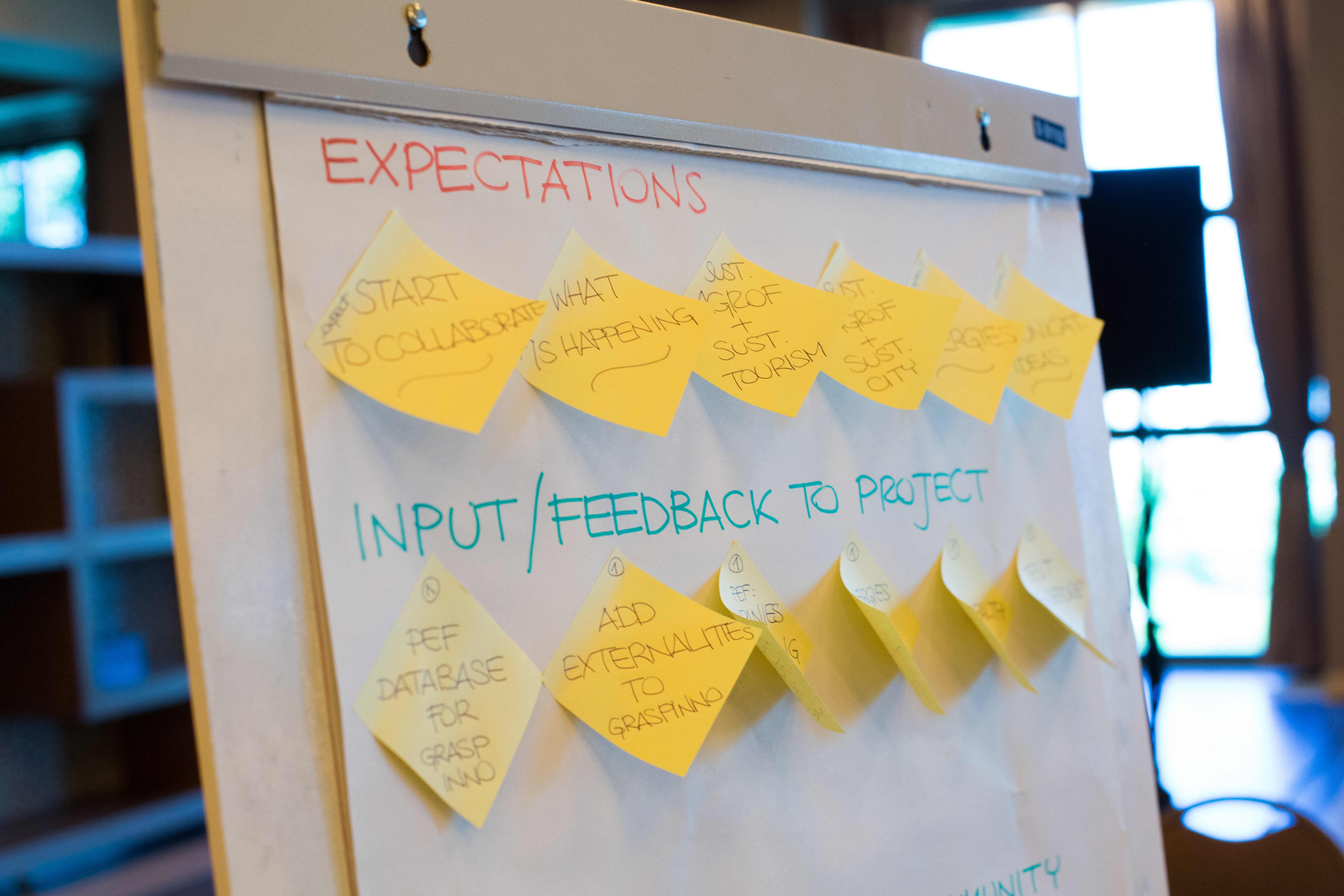
The term eco-innovation is a relatively new expression. It recalls an old and ever-present idea in technological progress: innovation. Eco-innovation looks at innovative solutions for more resource efficiency But what does eco-innovation really mean? And what is the link between eco-innovation and a more circular economy, particularly in the Mediterranean region?

Read the latest article of the Interreg MED Green Growth Community.

Read More

https://interregmedgreengrowth.eu/how-can-eco-innovation-drive-circularity-in-the-mediterranean/
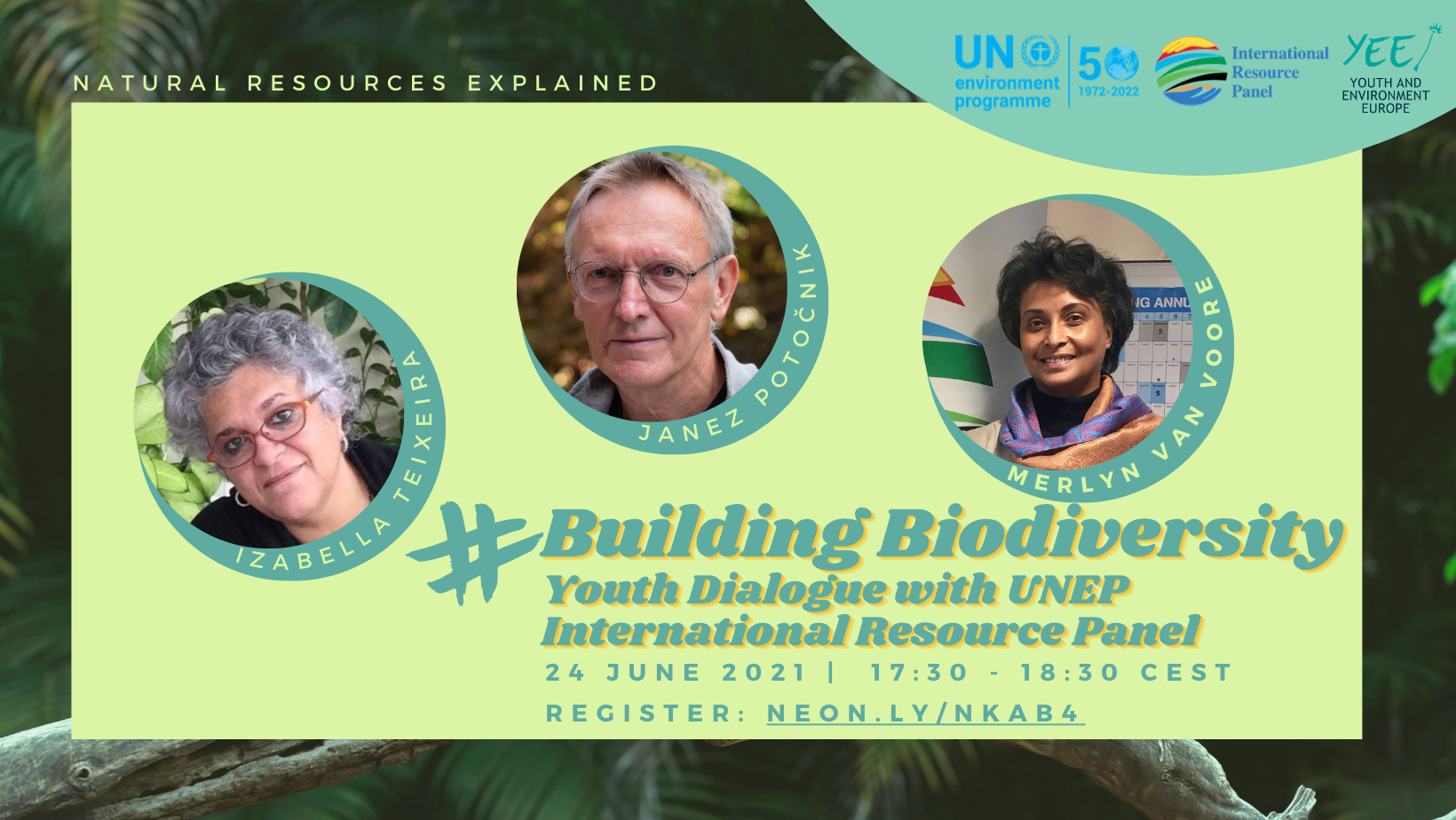
International Resource Panel(IRP), Youth and Environment Europe(YEE)

Youth Dialogue with Janez Potočnik and Izabella Teixeira, UNEP/International Resource Panel Co-Chairs on Building Biodiversity - The Natural Resource Management Approach DATE: 24 June 2021 TIME: :5:30pm - 6:30pm Central European Time  Programme Welcome remarks… Read More