In the About page, click on "Communities" and join one or more of the following areas:
1) Student Recruitment

2) Research Alignment

3) Green Skills & Curricular Improvements

4) Student and Employee Retention

5) Career Guidance, Job Placement and Employee Hiring

6) Policies for the Green Economy Workforce and Education

After joining these communities, you can learn about and share resources, including successful precedents and guides, and build new solutions for local and large-scale systemic improvements. Through these efforts, researchers, employers, educators and practitioners will be equipped with the knowledge and skills they need to advance green economy policies and action. We will more quickly achieve the critical mass of knowledge and skills to advance green economy policies and actions.

Upcoming Events

Green Learning Network

A post is already pinned to this stream. Would you like to replace it?

Are you interested in getting cities and businesses to take strong #ClimateAction? The City-Business Climate Alliance (CBCA) Forum is a network for leading cities, or leaders of local business networks, to exchange ideas on how cities can use their formal and informal powers to influence, regulate and collaborate with the private sector to achieve ambitious climate actions.

Email Emily White ([email protected]) if you are interested in learning more.

*This post is from the U.S. Partnership for Education for Sustainable Development*

Read More

Demand growth for green workforce skills is outpacing the increase in supply, as companies and countries globally begin to take action on implementing their climate and sustainability-related commitments, with current trends indicating that there will be more than twice as many jobs requiring green skills as there will be qualified workers available to fill those roles, according to a new study by LinkedIn’s 2024 Global Climate Talent Stocktake.

Read more about the study and why we need to recruit and retain more talent in the green workforce at the link below

*This post is from the U.S. Partnership for Education for Sustainable Development*

Read More

https://www.esgtoday.com/green-skills-demand-to-double-supply-by-2050-as-gap-accelerates-linkedin-st...

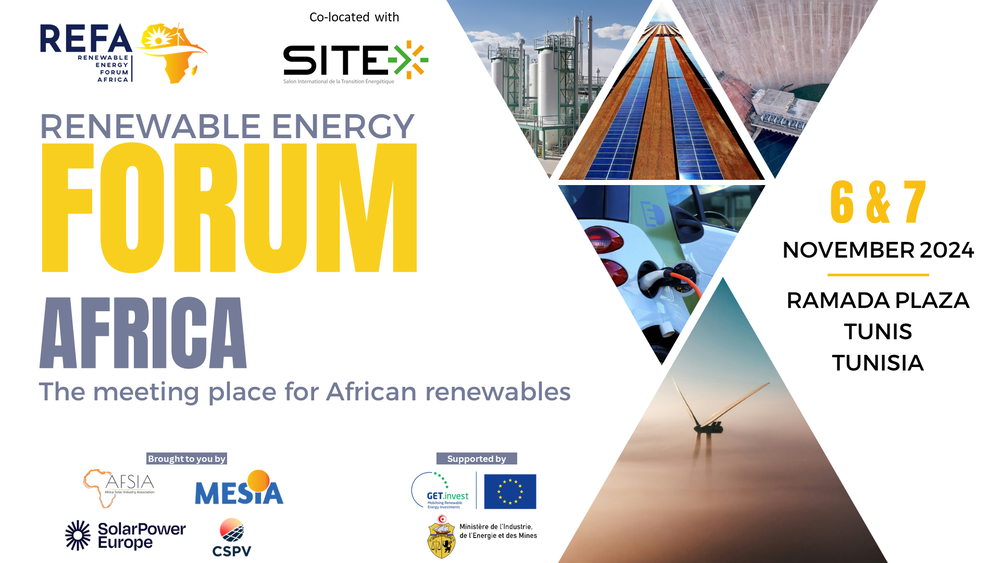
On November 6 and 7, 2024 in TUNIS, Tunisia the Renewable Energy Forum Africa (REFA) will be hosting their annual investment forum promoting investment in renewables on the African continent. Africa is such an important area of focus as their demand for power is projected to grow 8-fold by 2050.

The forum will once again focus on 2 key aspects:
1. Propose the most up-to-date content and discussions on all key renewables including solar, green hydrogen, e-mobility, wind, storage, hydro, biomass, ...
2.Foster quality meetings for all delegates through the state-of-the-art matchmaking platform

Read More

https://refa-2024.b2match.io/
pdfREFA-SITE 2024 - Brochure EN.pdf2.69 MB

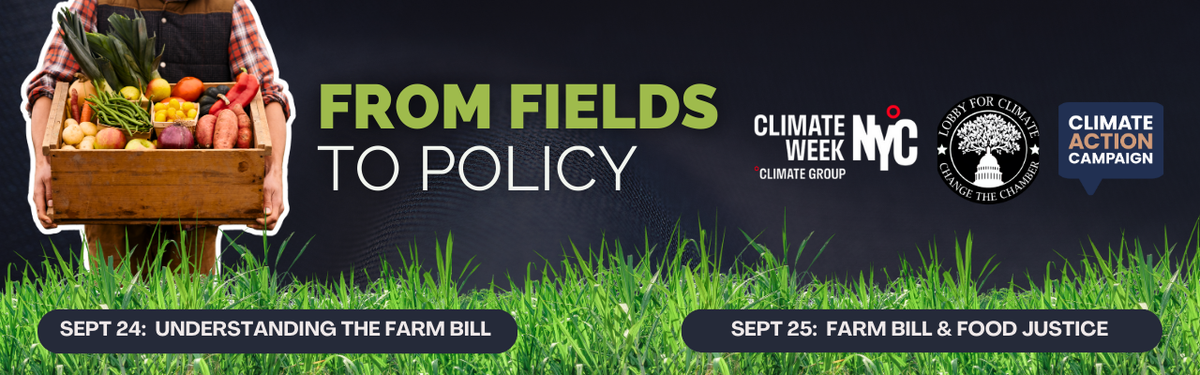
Agriculture is essential to our lives, even if it often goes unnoticed. Climate change is changing agriculture and our food supply chains, and the U.S. Farm Bill, which is crucial to many aspects of our food systems, is up for renegotiation. Attend two one-hour sessions of From Fields to Policy, an official Climate Week NYC event series, to hear esteemed panel speakers discuss:

- The differences and similarities between the upcoming Farm Bill and its previous iteration passed in 2018, and how Inflation Reduction Act funding adds to the Farm Bill's impact
- How the 2024 Farm Bill may impact climate, farmers, and families
- How ongoing negotiations are shaping the 2024 Farm Bill, and the role corporations and lawmakers have in creating the bill
- Alternate and supplementary legislation and initiatives to shift our food systems towards sustainability

Read More

https://us02web.zoom.us/meeting/register/tZcqceiuqDsvEtGoMoronY9AKVFk6mZM1Pxx#/registration

Nonprofits are filling in the gap to better connect universities to communities for real world problem solving. EPIC-N, an international effort, connects studentns with communities for joint efforts on sustainability related projects. You might want to connect with them and take a look at their great project examples. See the attached brochure for a concise description.

Read More

https://www.epicn.org/
pdf2024 Updated Final Short Brochure.pdf (5) (2).pdf1.62 MB

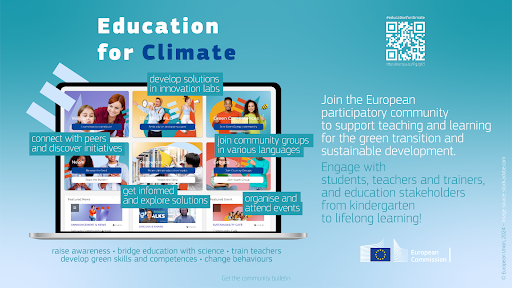
The Education for Climate Coalition is the European participatory community to support teaching and learning for the green transition and sustainable development. You can be from anywhere in the world and join this participatory community – even if you are not from Europe, just create a login and use the website! As a flagship initiative of the European Education Area by 2025 and an essential part of the European Green Deal, the Education for Climate Coalition is part of the European Union’s comprehensive approach to environmental sustainability education. As a community of practice, it enriches both the Council recommendation on teaching and learning for the green transition and sustainable development and GreenComp, the sustainability competence framework, with its participatory approach for taking action on education for climate challenges on the ground.

*This post is from the U.S. Partnership for Education for Sustainable Development*

Read More

On September 24th Committed to Climate and Energy Education (CLEAN) will host a webinar with a virtual tour of the CLEAN portal. Attendees will learn about the CLEAN collection of almost 1000 climate and energy educational resources and the range of other supporting materials to help you effectively and accurately teach about climate and energy topics. Register to watch on zoom!

“This post is from the U.S. Partnership for Education for Sustainable Development”

Read More

https://cleanet.org/clean/community/webinars/event/Introduction_to_CLEAN.html

One of the two largest unions for teachers in the United States is offering NEA micro credentials on climate education and shows they are commited to professional development around climate education. This is what we need! What do you think?

Read More

The International Renewable Energy Agency (IRENA) has launched a National Energy Transition Planning Dashboard. This dashboard presents a global repository of energy planning documents and modelling tools developed and/or used by governmental institutions for official planning purposes (a section on the features of scenarios is forthcoming). It aims to provide information for planners in the government sector, which can be used to benchmark their national planning practices and/or learn about relevant approaches used by global peers. Information in the dashboard is being consistently updated as more data becomes available through IRENA's engagements under the “Addressing Variable Renewables in Long-Term Modelling” project (AVRIL) and Long-term Energy Scenarios Network (LTES Network). The dashboard has two pages, Planning Documents (page 1) and Modeling Tools (page 2),

*This post is by the U.S. Partnership for Education for Sustainable Development*

Read More

https://www.irena.org/Energy-Transition/Planning/Long-term-energy-planning-support/National-Energy-T...

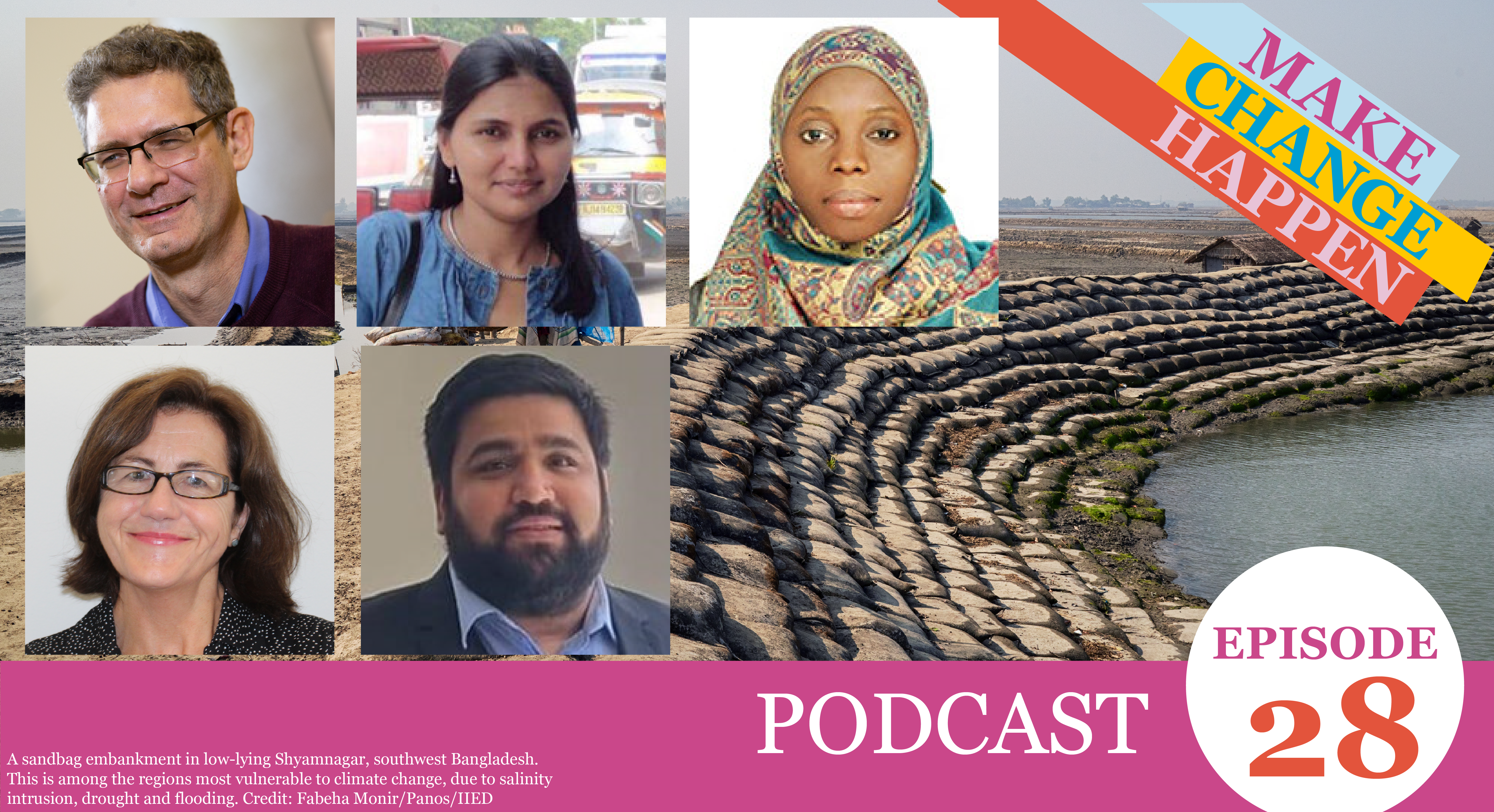
The International Institute for Environment and Development generated evidence on the unmet needs and potential contributions of refugees and displaced people in cities. They used this data to start conversations between displaced people and city officials about how to make cities places where displaced people can lead safe and productive lives. This is significant for climate change work because climate change displaces tens of millions of people each year.

Read More

https://www.iied.org/using-evidence-improve-support-for-refugees-cities